
Overthinking Too Much? This Simple Yoga Flow Can Calm Your Mind
Calm racing thoughts with this yoga flow for overthinking. Discover simple yoga poses, stress relief techniques, and tips for mental clarity.

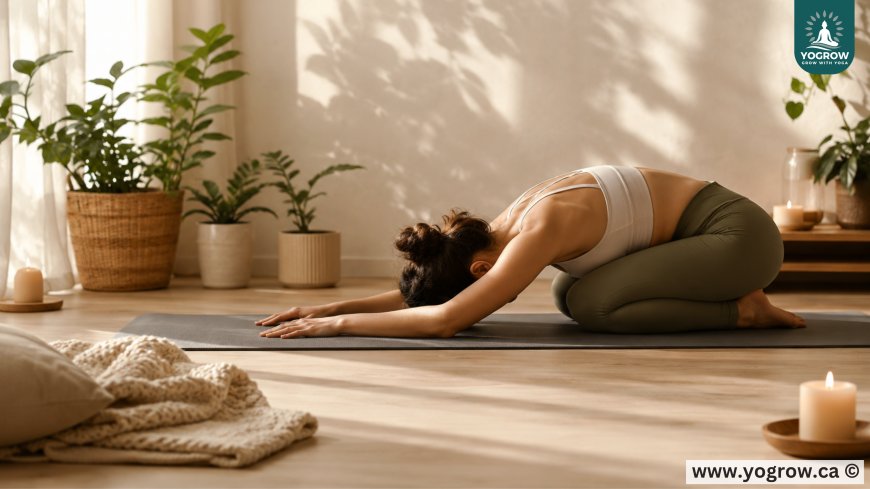
Overthinking can feel like an endless loop that drains your energy and clouds your peace of mind. If racing thoughts keep you awake at night or leave you mentally exhausted during the day, trying a calming yoga flow may help you slow down and reconnect with the present moment. This yoga flow for overthinking is designed to ease mental clutter, calm the nervous system, and create space for stillness in your day.
In today’s fast-paced world, stress and anxiety have become increasingly common. From work pressure to digital overload, our minds rarely get a chance to rest. Yoga offers a natural and mindful way to quiet the noise, helping you reset both mentally and physically.
Benefits of Yoga for Overthinking
How Yoga Helps Calm Racing Thoughts
When you’re trapped in overthinking, your nervous system often remains in a heightened state of stress. Yoga encourages mindful breathing and intentional movement, helping shift the body from “fight-or-flight” mode into relaxation.
According to research shared by Healthline, yoga can reduce symptoms of anxiety by promoting mindfulness, lowering stress hormones, and supporting emotional regulation. You can explore more about the science behind it through this detailed guide on yoga for anxiety and stress relief: https://www.healthline.com/health/anxiety/yoga-for-anxiety
Gentle movement paired with deep breathing teaches your mind to focus on the present moment instead of worrying about what already happened or what might happen next.

Yoga Improves Mental Clarity
Overthinking often creates mental exhaustion. Thoughts pile up, making even simple decisions feel overwhelming. A consistent yoga routine helps clear mental fog by increasing awareness and improving focus.
If you’re looking for another calming practice to bring peace into your daily life, explore daily yoga practices for inner peace here: https://yogrow.ca/blog/the-most-underrated-yoga-practice-for-daily-peace-you-need-to-try-yogrow
By slowing down and tuning into your breath, yoga creates moments of stillness that help your thoughts feel less chaotic.
Yoga Reduces Physical Stress Stored in the Body
Mental stress doesn’t stay in the mind—it often settles into the body. Tight shoulders, headaches, jaw tension, and shallow breathing are all common signs of overthinking.
A calming yoga flow gently releases stored tension through stretching and mindful movement. Poses that open the chest, relax the hips, and release spinal tightness can create an immediate sense of relief.
When the body feels calmer, the mind often follows.
Better Sleep and Emotional Balance
People who overthink often struggle with sleep because their minds stay active long after bedtime. Gentle yoga before sleep can help regulate breathing, relax muscles, and signal to the brain that it’s time to rest.


Practicing yoga consistently may also improve emotional balance by increasing self-awareness and helping you respond to stress more calmly rather than react impulsively.
Step-by-Step Yoga Flow When You Can’t Stop Overthinking
You don’t need to be an expert to practice this calming sequence. This simple yoga flow takes around 15–20 minutes and can be done at home with little space.
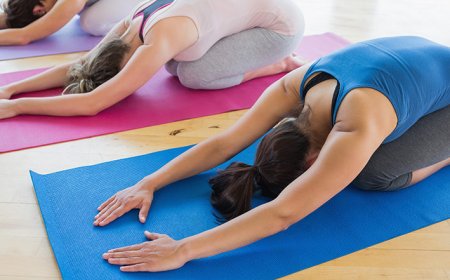
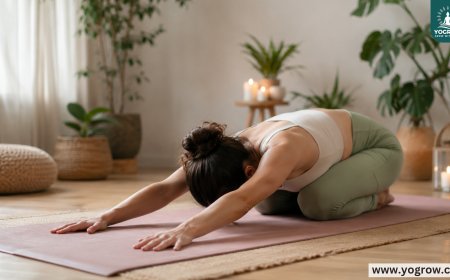
Step 1: Begin with Child’s Pose (2 Minutes)
Start in Child’s Pose (Balasana) by kneeling on the floor and sitting back onto your heels. Stretch your arms forward and rest your forehead on the mat.
Focus on slow breathing:
- Inhale deeply through the nose
- Exhale slowly and fully
- Notice the rise and fall of your breath
This pose creates a feeling of safety and calm, helping the nervous system settle.
Step 2: Cat-Cow Stretch (2 Minutes)
Move onto your hands and knees for a gentle Cat-Cow stretch.
- Inhale: Arch your back and lift your chest (Cow Pose)
- Exhale: Round your spine and tuck your chin (Cat Pose)
This movement releases spinal tension while helping your mind connect with the rhythm of breathing. It’s especially useful if stress has left your shoulders or back feeling tight.
Step 3: Forward Fold (2 Minutes)
Stand up slowly and fold forward, letting your upper body hang naturally.
This posture encourages relaxation by gently stretching the back body and calming the nervous system.
Avoid forcing flexibility—simply allow gravity to do the work.
Deep breathing here can help quiet repetitive thoughts and bring your attention inward.
Step 4: Seated Forward Bend (3 Minutes)
Sit comfortably with your legs extended and gently fold forward.
This pose promotes introspection and calmness while relaxing the nervous system. Stay here for several breaths and notice how your thoughts begin to slow.
Pair this pose with a simple affirmation such as:
“I release what I cannot control.”
Step 5: Legs-Up-the-Wall Pose (5 Minutes)
This is one of the most calming poses for stress and mental fatigue.
Lie down near a wall and extend your legs upward while relaxing your arms at your sides.
This gentle inversion:
- Relieves tired legs
- Encourages relaxation
- Helps regulate breathing
- Supports mental calmness
Health experts often recommend restorative yoga poses like this for reducing anxiety and promoting relaxation. Learn more practical yoga strategies for calming anxiety here: https://www.healthline.com/health/anxiety/yoga-for-anxiety
Step 6: End with Corpse Pose (5 Minutes)
- Finish your practice in Corpse Pose (Savasana).
- Lie flat on your back with your arms relaxed beside you.
- Close your eyes and focus only on your breathing.
If thoughts appear, don’t fight them—simply notice them and gently bring your focus back to your breath.
This final pose allows your mind and body to absorb the calming benefits of the flow.
Tips to Make This Yoga Flow More Effective
To get the most benefit from this yoga flow for overthinking:
- Practice Consistently
Even 10–15 minutes daily can make a difference. Consistency matters more than perfection.
- Create a Calm Environment
Dim the lights, reduce distractions, and play soft calming music if it helps you relax.
- Focus on Breath, Not Perfection
Yoga is not about flexibility or perfect poses. It’s about reconnecting with yourself and calming mental noise.
- Stay Present
If your thoughts wander, gently return your attention to your breathing or body sensations without judgment.
Overthinking can feel overwhelming, but small daily practices can make a meaningful difference. This simple yoga flow offers a gentle way to slow down racing thoughts, release tension, and reconnect with the present moment. By combining mindful movement with deep breathing, you create space for greater calm, mental clarity, and emotional balance.
If stress and mental fatigue are taking a toll on your day, you may also enjoy reading this yoga practice for instant mental exhaustion relief here: https://yogrow.ca/blog/this-yoga-practice-instantly-relieves-mental-exhaustion-and-stress-yogrow
Ready to feel calmer and more grounded? Explore more mindful practices at Yogrow, join a session, or share your favorite yoga pose for quieting an overactive mind in the comments.
What's Your Reaction?
 Like
0
Like
0
 Dislike
0
Dislike
0
 Love
0
Love
0
 Funny
0
Funny
0
 Angry
0
Angry
0
 Sad
0
Sad
0
 Wow
0
Wow
0