




This Yoga Practice Instantly Relieves Mental Exhaustion and Stress
Feeling mentally exhausted? Discover a gentle yoga practice to reduce stress, restore energy, improve focus, and support emotional balance.

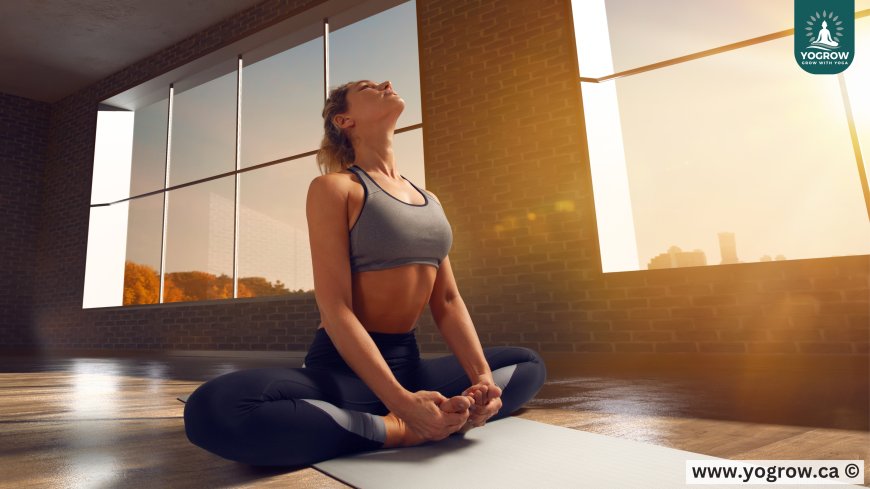
Mental exhaustion has quietly become one of the biggest challenges of modern life. Between endless notifications, demanding schedules, emotional stress, and constant multitasking, many people feel mentally drained without even realizing it. This practice is perfect when you feel mentally exhausted because it gives your body and mind the space to reset naturally—without overwhelming effort.
When your mind feels overloaded, a gentle yoga practice can offer relief in ways that traditional rest sometimes cannot. Instead of forcing productivity or pushing through burnout, yoga encourages stillness, breath awareness, and mindful movement that help release mental tension. Whether you are dealing with emotional fatigue, stress from work, or simply feeling disconnected, this calming practice may help restore clarity and emotional balance.
Benefits of This Practice When You Feel Mentally Exhausted
Helps Calm an Overstimulated Mind
Mental exhaustion often happens when your brain has been processing too much information for too long. Overthinking, stress, and digital overload can make it difficult to concentrate or even relax. Gentle yoga practices focus on slow movement and intentional breathing, helping shift your nervous system from stress mode into a calmer state.
According to research shared by Healthline on mental exhaustion and burnout symptoms, prolonged stress can impact focus, emotions, and energy levels. Restorative activities such as mindfulness and gentle movement may help support recovery from mental fatigue.
By slowing down physically, you also give your thoughts permission to slow down. This creates mental space and helps reduce feelings of overwhelm.


Supports Emotional Balance Naturally
Mental exhaustion is often deeply connected to emotional stress. Feeling emotionally overwhelmed can leave you mentally depleted, making even small tasks feel difficult. A calming yoga practice encourages deeper breathing and mindful awareness, which can help regulate emotions naturally.
If emotional balance feels difficult lately, you may also enjoy reading This Yoga Practice Helps You Feel Emotionally Balanced Naturally on Yogrow. It explores how yoga can gently support emotional stability and improve overall well-being through mindful movement and breathwork.
Gentle poses combined with breathing techniques can help you reconnect with yourself, especially during periods of anxiety, frustration, or emotional burnout.
Improves Energy Without Overwhelming the Body
When people feel mentally exhausted, they often believe they need intense workouts to “boost energy.” However, pushing yourself too hard can sometimes make exhaustion worse. Gentle yoga offers a different approach.
Instead of draining physical energy, restorative movement helps improve circulation, release muscle tension, and encourage better oxygen flow through deep breathing. Many people notice that after a calming session, they feel lighter, refreshed, and mentally clearer.
Even practicing for 15–20 minutes can create noticeable improvements in mood and focus.
Encourages Better Sleep and Recovery
Poor sleep and mental exhaustion often go hand in hand. Stress and racing thoughts can make falling asleep difficult, while inadequate rest increases emotional and mental fatigue the next day.


Gentle yoga before bedtime can help quiet the mind and prepare your body for deeper rest. Relaxing poses paired with slow breathing may reduce physical tension and encourage a sense of calm.
When your body begins to relax, your nervous system can shift into recovery mode, making quality sleep more achievable.
Creates a Healthy Pause in Busy Lives
One of the biggest benefits of yoga is that it gives you permission to pause. In a world that constantly encourages productivity, rest often feels unproductive. However, taking intentional moments to reset is essential for mental well-being.
Yoga creates a structured pause where you can step away from screens, responsibilities, and mental noise. That short break may help improve focus and resilience when returning to daily tasks.
Practical Steps: A Gentle Yoga Practice for Mental Exhaustion
If you are feeling mentally drained, try this simple yoga routine designed to calm the nervous system and restore energy naturally.
Step 1: Start With Deep Breathing (2–3 Minutes)
Begin in a comfortable seated position or lie down. Close your eyes and focus on slow breathing.
Try this simple breathing pattern:
- Inhale slowly for four counts
- Hold briefly for two counts
- Exhale gently for six counts
Longer exhales can help encourage relaxation and reduce feelings of stress.
Step 2: Child’s Pose (3–5 Minutes)
Child’s Pose is one of the most calming yoga positions for mental exhaustion.
How to do it:
- Kneel on the floor
- Sit back onto your heels
- Stretch your arms forward
- Rest your forehead on the mat
Stay here while breathing deeply. This pose may help release tension in the shoulders and lower back while calming the mind.
Step 3: Gentle Cat-Cow Stretch (2–3 Minutes)
Slow spinal movement can help release physical stress stored in the body.
How to practice:
- Move into a tabletop position
- Inhale while arching your back slightly
- Exhale while rounding the spine gently
Keep movements slow and controlled. Focus more on relaxation than flexibility.
Step 4: Legs-Up-the-Wall Pose (5–10 Minutes)
This restorative pose is excellent when mental fatigue feels overwhelming.
How to practice:
- Lie on your back near a wall
- Extend your legs upward against the wall
- Rest your arms beside you
Close your eyes and breathe naturally. Many people find this pose deeply calming after stressful days.
Step 5: End With Relaxation or Meditation (5 Minutes)
Finish your practice by lying comfortably in stillness. Focus on your breath or simply notice sensations in your body.
You can also repeat a calming phrase silently such as:
"I am allowing myself to rest."
According to mental wellness experts, regular mindfulness practices may support emotional resilience and reduce mental fatigue over time.
Why Consistency Matters
The benefits of yoga become stronger with consistency. You do not need long or difficult sessions to feel better. Even practicing a few times each week can create noticeable shifts in mood, focus, and emotional balance.
The key is listening to your body. Some days you may need movement, while other days simple breathing exercises may feel enough.
Consistency helps train your nervous system to respond to stress in healthier ways, making it easier to recover from overwhelming moments.
Mental exhaustion can affect every part of daily life, from focus and productivity to emotional well-being. The good news is that small, mindful practices can make a meaningful difference. This practice is perfect when you feel mentally exhausted because it encourages calm, restores energy naturally, and supports emotional balance without pressure.
If you enjoyed this guide, explore This Gentle Yoga Practice Feels Like Instant Therapy for Your Mind on Yogrow for another calming approach to reducing stress and improving mental clarity.
Ready to feel more balanced and refreshed? Explore more wellness blogs on Yogrow, join a yoga session, or start creating a gentle self-care routine that supports both your body and mind.
What's Your Reaction?
 Like
0
Like
0
 Dislike
0
Dislike
0
 Love
0
Love
0
 Funny
0
Funny
0
 Angry
0
Angry
0
 Sad
0
Sad
0
 Wow
0
Wow
0