
How Yoga Helps You Feel Better Naturally—One Breath at a Time
Discover how yoga for feeling better improves mood, reduces stress, and boosts wellness through mindful breathing and gentle movement.

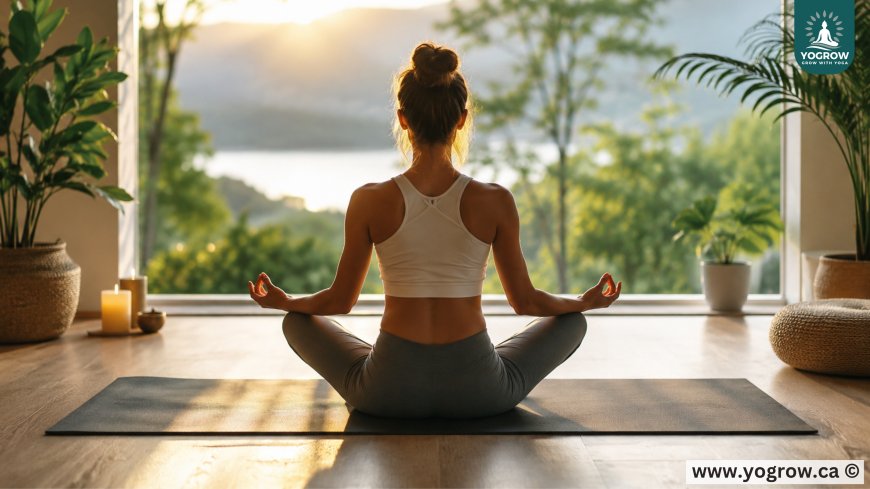
Life moves quickly, and many people find themselves overwhelmed by stress, fatigue, and emotional exhaustion. Yoga for feeling better offers a simple yet powerful way to reconnect with yourself, using mindful movement and conscious breathing to restore balance. Unlike intense fitness routines, yoga invites you to slow down, listen to your body, and cultivate a sense of calm from within.
Whether you're coping with daily pressures, seeking emotional stability, or simply wanting more energy, yoga can become a supportive practice that nurtures both body and mind. Even a few mindful breaths can create noticeable shifts in how you feel, proving that wellness doesn't always require dramatic changes—sometimes it starts with just one breath.
Benefits of Yoga for Feeling Better
Yoga combines movement, breathing, and mindfulness, making it an effective practice for improving overall well-being. Here are some of the most meaningful benefits.
Reduces Stress and Promotes Relaxation
One of the most recognized benefits of yoga is its ability to lower stress levels. Slow, intentional breathing activates the parasympathetic nervous system, helping the body transition from a state of tension to one of relaxation.
Breathing techniques are a fundamental component of yoga practice. According to Yoga Journal's guide on how to breathe properly during yoga poses, controlled breathing enhances focus, reduces anxiety, and supports a deeper mind-body connection.


When practiced consistently, yoga encourages mindfulness, allowing individuals to become more aware of their thoughts and reactions. This awareness often leads to healthier responses to life's challenges.
Improves Mood and Emotional Balance
Yoga influences both physical and mental health. Gentle stretching combined with mindful breathing can stimulate the release of feel-good neurotransmitters such as serotonin and dopamine.
Many practitioners report feeling calmer, happier, and more emotionally resilient after a yoga session. Regular practice may also help reduce symptoms associated with mild depression and anxiety.
If you're curious about the long-term effects of a consistent yoga routine, explore our article, What Happens to Your Body When You Do Yoga Daily Will Surprise You, available here:
https://yogrow.ca/blog/what-happens-to-your-body-when-you-do-yoga-daily-will-surprise-you-yogrow
This resource explains how daily yoga can positively influence physical health, energy levels, and mental clarity.
Enhances Breathing Capacity
Breathing is something most people do automatically, yet few breathe efficiently. Shallow breathing can contribute to feelings of fatigue and stress.


Yoga emphasizes diaphragmatic breathing, which increases oxygen intake and encourages fuller lung expansion. Improved breathing patterns support better circulation, enhanced concentration, and increased stamina throughout the day.
Learning to breathe deeply can also create a sense of grounding during emotionally challenging moments, making yoga a valuable self-care tool.
Supports Better Sleep Quality
Poor sleep often affects mood, productivity, and overall wellness. Practicing yoga before bedtime can help quiet racing thoughts and release physical tension accumulated during the day.
Restorative poses paired with slow breathing techniques signal the body that it is safe to relax. Over time, this habit may contribute to falling asleep faster and experiencing more restful sleep.
A calm evening yoga routine can become an effective alternative to scrolling on electronic devices or relying on other stimulating activities before bed.
Encourages a Positive Relationship with Your Body
Yoga shifts the focus away from appearance and toward functionality, awareness, and self-compassion. Instead of pushing the body to its limits, practitioners are encouraged to honor their unique needs and abilities.
This gentle approach fosters acceptance and appreciation for what the body can do, helping many individuals develop greater confidence and self-esteem.
The beauty of yoga lies in its accessibility. Regardless of age, experience level, or fitness background, there is always a practice suitable for your current stage of life.
Practical Steps to Practice Yoga for Feeling Better
Starting yoga doesn't require expensive equipment or advanced poses. The key is consistency and intention.
Step 1: Create a Comfortable Space
Find a quiet area where you can move freely without distractions. A yoga mat is helpful but not essential. You may also use cushions, blankets, or blocks for additional support.
A calming environment can make it easier to focus and establish a regular practice routine.
Step 2: Begin with Deep Breathing
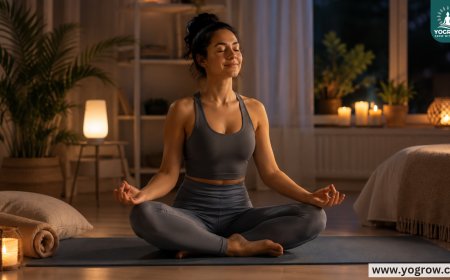
- Sit comfortably with your spine upright.
- Place one hand on your chest and the other on your abdomen.
- Inhale slowly through your nose for four counts, allowing your belly to expand.
- Exhale gently for four counts.
- Repeat this breathing exercise for five minutes.
This simple practice can help settle the nervous system and prepare the mind for movement.
Step 3: Practice Gentle Yoga Poses
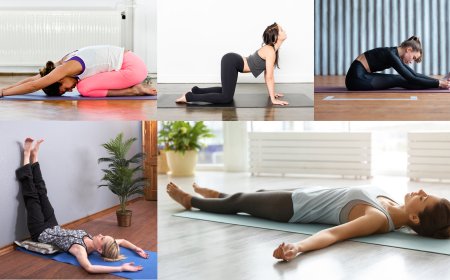
Start with beginner-friendly postures such as:
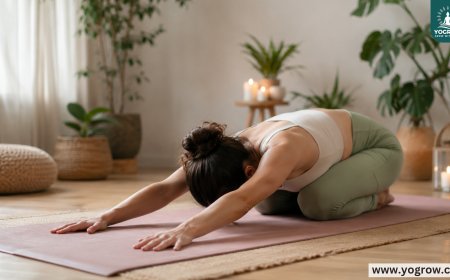
- Child's Pose
- Cat-Cow Stretch
- Seated Forward Fold
- Legs-Up-the-Wall Pose
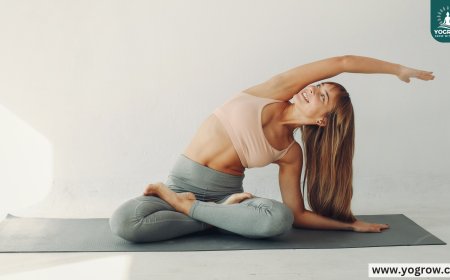
- Easy Seated Twist
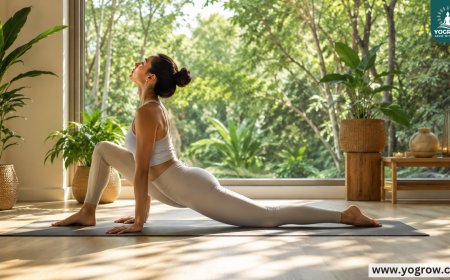
These poses encourage relaxation while releasing tension in the neck, shoulders, hips, and back.
For additional guidance, Yoga International offers a helpful resource on yoga for better breathing with an at-home restorative sequence, demonstrating poses specifically designed to support healthy breathing patterns and relaxation.
Step 4: Add Mindfulness to Your Practice
Rather than worrying about performing poses perfectly, focus on how each movement feels.
- Notice sensations in your body.
- Observe your breathing rhythm.
- Allow thoughts to come and go without judgment.
Mindfulness transforms yoga from a physical activity into a meaningful practice of self-awareness.
Step 5: Establish a Consistent Routine
- Consistency matters more than duration.
- Aim for ten to twenty minutes of yoga three to five times per week.
- Some people prefer practicing in the morning to boost energy, while others enjoy evening sessions to unwind.
- Experiment with different times until you find what feels most sustainable.
Over time, these small moments of intentional movement and breathing can lead to significant improvements in your overall well-being.
Feeling better doesn't always require major lifestyle changes. Sometimes, all it takes is slowing down, moving gently, and paying attention to your breath. Yoga offers a practical and compassionate way to manage stress, support emotional health, improve breathing, and reconnect with yourself.
If you'd like to continue exploring mindful movement, read our article The Mindful Movement Practice Your Body Secretly Needs, available here: https://yogrow.ca/blog/the-mindful-movement-practice-your-body-secretly-needs-yogrow
At Yogrow, we believe every breath is an opportunity to feel stronger, calmer, and more present. Subscribe to our newsletter, book a yoga session, or share your experience in the comments below. We'd love to hear how yoga is helping you feel better—one breath at a time.
What's Your Reaction?
 Like
0
Like
0
 Dislike
0
Dislike
0
 Love
0
Love
0
 Funny
0
Funny
0
 Angry
0
Angry
0
 Sad
0
Sad
0
 Wow
0
Wow
0