
The Ultimate Wellness Reset: Why Yoga Is More Powerful Than You Think
Reset your mind and body with yoga. Discover benefits for stress relief, better sleep, emotional balance, and lasting wellness habits.

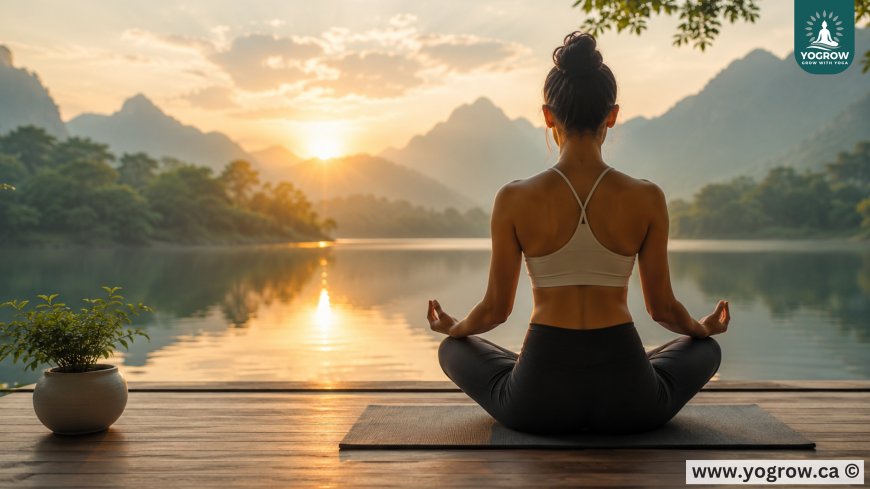
Modern life rarely slows down. Endless notifications, demanding schedules, and constant responsibilities often leave people feeling physically exhausted, mentally overwhelmed, and emotionally disconnected. A wellness reset through yoga offers a gentle yet powerful way to restore harmony and reconnect with yourself.
Yoga has become increasingly relevant in today's fast-paced world because it addresses the whole person rather than simply targeting symptoms. It combines mindful movement, conscious breathing, and meditation practices that support physical vitality and emotional resilience. Whether you're seeking better sleep, reduced stress, or renewed energy, yoga provides practical tools to help you cultivate balance and create sustainable wellness habits.
Benefits of Finding Balance Through Yoga
Yoga Helps Reduce Stress and Calm the Mind
Stress has become one of the most common challenges affecting modern lifestyles. Chronic stress can contribute to anxiety, sleep disturbances, digestive problems, and decreased concentration. Yoga encourages the body to shift from a constant state of alertness into a more relaxed and restorative mode.
Through intentional breathing exercises, meditation, and gentle postures, yoga activates the parasympathetic nervous system, often referred to as the body's "rest and digest" response. This process helps lower cortisol levels and promotes a sense of calmness.
Experts at Yoga Journal explain that maintaining balance through mindful practices allows individuals to better navigate life's challenges and support emotional well-being. Learn more about the importance of balance through yoga here: https://www.yogajournal.com/lifestyle/balance/

Many practitioners notice that even a short daily yoga session can significantly improve mood and mental clarity. Over time, these practices build resilience and make it easier to respond thoughtfully rather than react impulsively to stressful situations.
If you're looking to explore movement practices that enhance awareness and mobility, consider reading our article on Mindful Movement Practices Your Body Secretly Needs:
https://yogrow.ca/blog/the-mindful-movement-practice-your-body-secretly-needs-yogrow
Yoga Improves Physical Strength and Flexibility
Balance is not only emotional—it is also physical. The body thrives when muscles remain strong, joints stay mobile, and posture is properly aligned.
Yoga engages multiple muscle groups simultaneously while encouraging controlled and intentional movement. Unlike high-impact workouts, yoga allows individuals to improve strength without excessive strain on the body.
Regular practice may help:
- Increase muscular endurance
- Improve posture
- Enhance joint mobility
- Reduce muscle tension
- Support healthy aging
Postures such as Warrior Pose, Tree Pose, and Plank Pose challenge stability and coordination, helping practitioners develop functional strength that benefits everyday activities.


Greater flexibility also reduces the risk of injuries and can alleviate discomfort associated with prolonged sitting or repetitive movements.
Yoga Encourages Emotional Balance
Emotional wellness plays an essential role in overall health. However, many people neglect their emotional needs while focusing primarily on physical symptoms.
Yoga creates opportunities for self-reflection and mindfulness. By directing attention inward, practitioners become more aware of their emotions, thought patterns, and habitual reactions.
This heightened awareness can help individuals:
- Manage anxiety more effectively
- Develop self-compassion
- Improve relationships
- Increase patience
- Cultivate gratitude
Meditation and breathwork practices often incorporated into yoga sessions encourage emotional regulation and provide healthy coping mechanisms during difficult periods.
Over time, yoga becomes more than a fitness routine—it evolves into a supportive lifestyle practice that nurtures inner peace and emotional stability.
Yoga Supports Better Sleep Quality
Sleep disturbances affect millions of people worldwide. Poor sleep contributes to fatigue, reduced productivity, weakened immunity, and mood fluctuations.
Yoga promotes relaxation by reducing nervous system stimulation and releasing accumulated tension throughout the body. Gentle evening stretches combined with mindful breathing can prepare the body for restorative sleep.
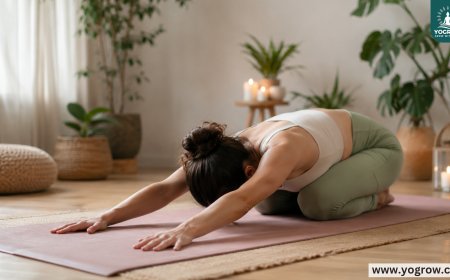
Several yoga poses are particularly beneficial before bedtime, including:
- Child's Pose
- Legs-Up-The-Wall Pose
- Reclining Butterfly Pose
- Supine Twist
Individuals who consistently practice yoga often report falling asleep faster, experiencing fewer nighttime awakenings, and waking up feeling more refreshed.
Yoga Builds Long-Term Healthy Habits
One of the greatest benefits of yoga is its accessibility. Unlike many wellness trends that require expensive equipment or complicated routines, yoga can be practiced almost anywhere.
Even dedicating ten to fifteen minutes daily can create meaningful changes over time. Small, consistent actions contribute to lasting transformation and encourage healthier choices in other aspects of life, including nutrition, hydration, and self-care.
Rather than striving for perfection, yoga teaches practitioners to embrace progress and appreciate each step of their wellness journey.
Practical Steps to Begin Your Wellness Reset Through Yoga
Starting a yoga practice does not require advanced skills or exceptional flexibility. The goal is simply to create space for intentional movement and self-care.
Step 1: Set a Clear Intention
Before stepping onto your mat, ask yourself why you want to practice yoga.
Perhaps you hope to:
- Reduce stress
- Improve energy levels
- Sleep better
- Increase mobility
- Find emotional balance
Having a clear intention helps maintain motivation and provides direction throughout your journey.
Step 2: Start with Short Sessions
Beginners often feel overwhelmed by lengthy classes. Instead of committing to an hour-long session immediately, begin with shorter practices lasting ten to twenty minutes.
Consistency matters more than duration. Practicing regularly helps establish a sustainable routine and prevents burnout.
Step 3: Focus on Breath Awareness
Breathing serves as the foundation of yoga.
Try this simple breathing exercise:
- Sit comfortably with a straight spine.
- Inhale deeply through your nose for four counts.
- Hold your breath for two counts.
- Exhale slowly for six counts.
- Repeat five times.
Breath awareness helps quiet the mind and enhances concentration during movement.
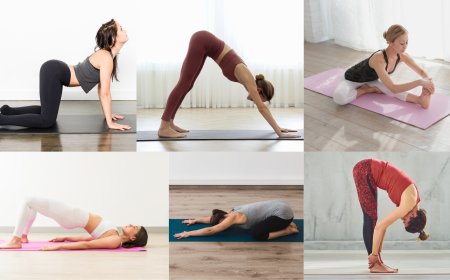
Step 4: Practice Foundational Poses
Beginners can benefit from mastering a few essential postures before progressing to advanced sequences.
Consider including:
- Mountain Pose
Improves posture and body awareness.
- Cat-Cow Stretch
Promotes spinal mobility and relieves tension.
- Downward Facing Dog
Strengthens muscles while stretching the back and legs.
- Tree Pose
Enhances focus and balance.
- Child's Pose
Encourages relaxation and gentle recovery.
According to holistic wellness experts at the Art of Living Foundation, yoga practices that emphasize alignment, breath control, and mindfulness can effectively support physical and mental equilibrium. Read more here:
https://www.artofliving.org/in-en/wellness/mental/holistic-living/balance-your-body-with-yoga
Step 5: Create a Dedicated Wellness Space
A peaceful environment can significantly enhance your yoga experience.
Consider adding:
- A comfortable yoga mat
- Soft lighting
- Plants
- Essential oils
- Calming music
Designating a specific area for practice helps reinforce positive habits and encourages consistency.
Step 6: Track Your Progress
Keep a simple journal documenting your experiences.
Record observations such as:
- Energy levels
- Mood changes
- Sleep quality
- Flexibility improvements
- Stress reduction
Tracking progress reminds you of how far you've come and provides additional motivation to continue practicing.
A wellness reset through yoga offers far more than physical exercise. It supports stress management, emotional resilience, improved sleep, and healthier daily habits. By embracing mindful movement and intentional breathing, you can gradually restore balance and create a stronger connection between mind and body.
If you're interested in discovering how yoga naturally enhances overall well-being, explore our article How Yoga Helps You Feel Better Naturally—One Breath at a Time:
https://yogrow.ca/blog/how-yoga-helps-you-feel-better-naturallyone-breath-at-a-time-yogrow
Ready to begin your wellness journey? Join a Yogrow class, subscribe to our newsletter for expert wellness tips, or share your favorite yoga practice in the comments below. Your path toward greater balance starts with a single breath.
What's Your Reaction?
 Like
0
Like
0
 Dislike
0
Dislike
0
 Love
0
Love
0
 Funny
0
Funny
0
 Angry
0
Angry
0
 Sad
0
Sad
0
 Wow
0
Wow
0