

PCOS Hormones Out of Balance? These 5 Yoga Poses Can Help Naturally
Balance PCOS hormones naturally with yoga poses that reduce stress, improve insulin sensitivity, support ovarian health, and ease symptoms.

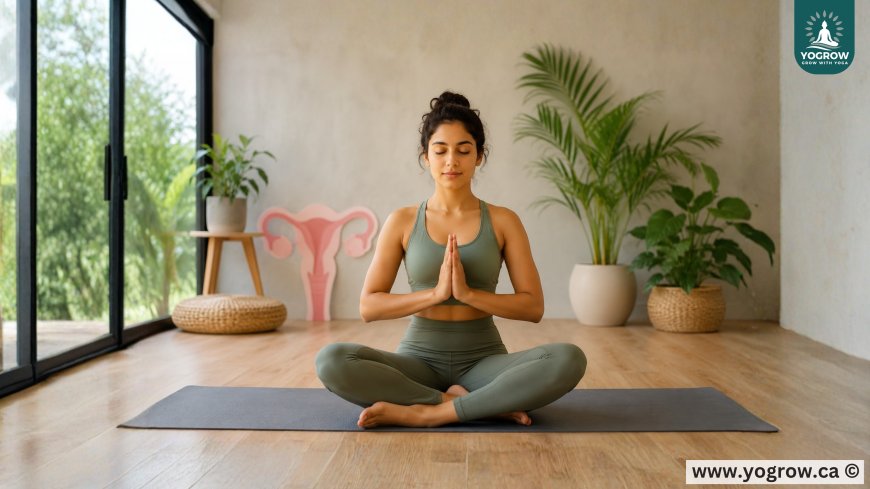
Irregular periods, stubborn weight gain, acne, and unexplained fatigue are some of the most frustrating signs of hormonal imbalance associated with PCOS. If your PCOS hormones are out of balance, yoga may offer a gentle yet effective way to support your body's natural healing process.
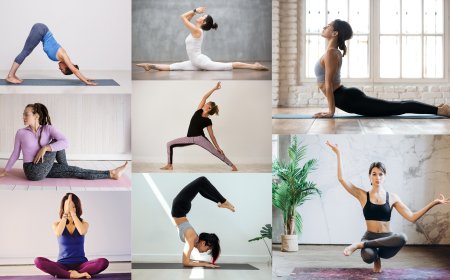
Today, more women are turning to holistic wellness practices to complement medical treatment for Polycystic Ovary Syndrome (PCOS). Yoga has gained recognition for its ability to reduce stress, improve insulin sensitivity, and promote hormonal regulation. Whether you're newly diagnosed or looking for additional ways to manage symptoms, incorporating specific yoga poses into your routine can be a meaningful step toward better reproductive and overall health.
Benefits of Yoga for PCOS Hormonal Balance
Yoga Helps Reduce Stress and Cortisol Levels
Stress plays a significant role in hormonal disruption, especially for women with PCOS. When the body experiences chronic stress, it produces higher levels of cortisol, often called the stress hormone. Elevated cortisol can worsen insulin resistance, increase inflammation, and contribute to menstrual irregularities.
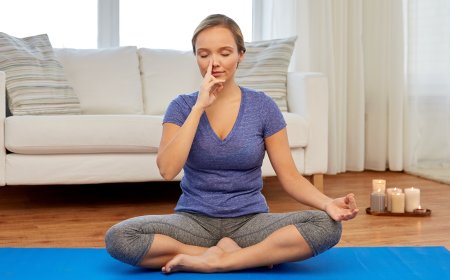
Yoga combines mindful breathing, stretching, and relaxation techniques that activate the parasympathetic nervous system, helping the body shift from a state of stress to one of restoration. According to expert guidance on yoga practices for women with PCOS from MyYogaTeacher, consistent yoga sessions may support hormonal regulation and emotional well-being.
Women seeking natural ways to improve PCOS symptoms may also benefit from reading our guide on PCOD healing through yoga and mindfulness techniques: https://yogrow.ca/blog/pcod-relief-starts-here-simple-yoga-for-mind-body-healing-yogrow.


Improves Insulin Sensitivity
Insulin resistance affects a large percentage of women diagnosed with PCOS. When the body struggles to use insulin efficiently, blood sugar levels rise, stimulating the ovaries to produce excess androgens. This hormonal imbalance can lead to symptoms such as acne, excessive hair growth, and difficulty ovulating.
Regular yoga practice has been associated with improved glucose metabolism and better insulin sensitivity. Gentle movements combined with breath awareness may help regulate blood sugar levels while encouraging healthier metabolic function.
Certain poses that engage the abdominal region and stimulate internal organs are particularly beneficial for supporting endocrine health. Over time, these practices may complement dietary adjustments and medical interventions.
Supports Reproductive and Ovarian Health
Yoga postures that increase blood circulation in the pelvic region may enhance ovarian function and support reproductive wellness. Improved blood flow helps nourish reproductive organs while reducing pelvic congestion.
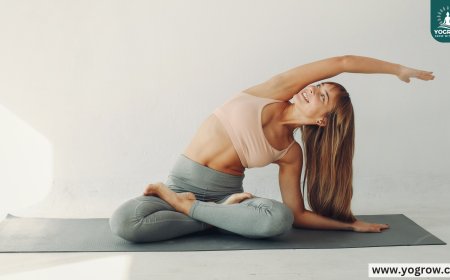
Poses involving gentle twists, hip opening, and forward bends can create a calming effect on the nervous system and potentially encourage more regular menstrual cycles.
Research and wellness experts highlighted in articles such as Yoga for PCOS: Benefits and Best Poses from Healthline suggest that yoga may be a valuable complementary therapy for symptom management and quality of life improvement.
Encourages Healthy Weight Management
Weight management can be challenging for women with PCOS due to hormonal imbalances and metabolic changes. While yoga is not typically considered a high-calorie-burning exercise, it promotes mindfulness and body awareness, which can positively influence eating habits and lifestyle choices.


Practicing yoga consistently helps improve energy levels, reduce emotional eating triggered by stress, and foster a healthier relationship with food and movement.
Combined with balanced nutrition and adequate sleep, yoga can contribute to sustainable weight maintenance and overall wellness.
Practical Steps: Yoga Poses to Support Hormonal Balance in PCOS
Starting a yoga routine doesn't require advanced flexibility or prior experience. The key is consistency and choosing poses that gently stimulate the endocrine and reproductive systems.
Step 1: Begin With Butterfly Pose (Baddha Konasana)
Butterfly Pose is one of the most recommended yoga postures for women experiencing PCOS symptoms.
How to practice it:
- Sit comfortably on the floor.
- Bring the soles of your feet together.
- Hold your feet with both hands.
- Allow your knees to drop outward naturally.
- Gently flap your knees up and down.
- Stay in the pose for one to three minutes while breathing deeply.
Benefits:
- Improves circulation to the pelvic region.
- Releases tension in the hips.
- Supports reproductive organ health.
Step 2: Practice Cat-Cow Stretch (Marjaryasana-Bitilasana)
This flowing sequence enhances spinal flexibility and stimulates abdominal organs.
Instructions:
- Start on your hands and knees.
- Inhale and arch your back while lifting your chest and tailbone.
- Exhale and round your spine, bringing your chin toward your chest.
- Repeat the movement for eight to ten slow breaths.
Benefits:
- Encourages healthy blood flow.
- Reduces lower back discomfort.
- Promotes hormonal balance through gentle abdominal stimulation.
Step 3: Move Into Cobra Pose (Bhujangasana)
Cobra Pose activates the abdominal region and supports ovarian function.
How to do it:
- Lie face down on your mat.
- Place your palms beneath your shoulders.
- Press gently into your hands and lift your chest.
- Keep your elbows slightly bent.
- Hold for 20–30 seconds.
Benefits:
- Stimulates reproductive organs.
- Improves posture.
- Opens the chest and enhances energy levels.
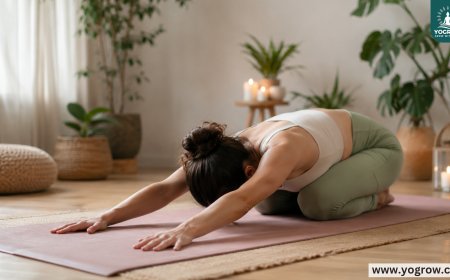
Step 4: Relax in Child's Pose (Balasana)
Hormonal balance is closely linked with nervous system regulation. Child's Pose offers deep relaxation and stress relief.
Steps:
- Kneel on the mat.
- Sit back onto your heels.
- Extend your arms forward.
- Rest your forehead on the floor.
- Breathe slowly for two to five minutes.
Benefits:
- Lowers stress hormones.
- Calms the mind.
- Reduces anxiety associated with PCOS symptoms.
Step 5: Finish With Legs-Up-the-Wall Pose (Viparita Karani)
This restorative posture helps improve circulation and promotes relaxation.
Instructions:
- Sit close to a wall.
- Lie down and extend your legs upward against the wall.
- Keep your arms relaxed beside your body.
- Stay in the pose for five to ten minutes.
Benefits:
- Relieves fatigue.
- Reduces stress.
- Supports hormonal and nervous system balance.
Experts at Healthline also recommend restorative yoga practices for women seeking natural symptom management strategies, emphasizing the importance of regular practice and mindful breathing.
Building a Sustainable Yoga Routine
To experience meaningful results, aim to practice yoga at least three to five times per week. Sessions lasting 20 to 30 minutes can be highly effective when performed consistently.
A simple weekly routine could include:
- Monday: Butterfly Pose, Cobra Pose, Child's Pose
- Wednesday: Cat-Cow Stretch, Butterfly Pose, Legs-Up-the-Wall
- Friday: Full sequence with mindful breathing exercises
- Weekend: Gentle restorative yoga and meditation
Listen to your body and avoid forcing any posture. If you have underlying medical conditions or concerns, consult a healthcare provider before beginning a new exercise program.
Managing PCOS often requires a multifaceted approach, and yoga can be a powerful addition to your wellness journey. By reducing stress, improving insulin sensitivity, supporting reproductive health, and encouraging mindful living, these yoga poses may help restore hormonal balance naturally.
If you're looking for more ways to ease PCOS symptoms, explore our article on supportive yoga movements for natural PCOD symptom relief at https://yogrow.ca/blog/how-supportive-yoga-movements-can-help-relieve-pcod-symptoms-naturally-yogrow.
Ready to take the next step toward better hormonal health? Join a Yogrow class, subscribe to our wellness updates, or leave a comment below sharing your experience with yoga and PCOS. Your journey toward balance can begin with just one pose today.
What's Your Reaction?
 Like
0
Like
0
 Dislike
0
Dislike
0
 Love
0
Love
0
 Funny
0
Funny
0
 Angry
0
Angry
0
 Sad
0
Sad
0
 Wow
0
Wow
0