

How Supportive Yoga Movements Can Help Relieve PCOD Symptoms Naturally
Discover supportive yoga movements for PCOD symptom relief. Learn how yoga may support hormonal balance, reduce stress, and improve wellness naturally.

Living with PCOD can feel overwhelming, especially when symptoms such as irregular periods, weight fluctuations, mood swings, and fatigue begin affecting daily life. Supportive yoga movements for PCOD symptom relief are becoming increasingly popular because they offer a gentle, natural way to support physical and emotional well-being. Yoga is not a cure for Polycystic Ovarian Disease (PCOD), but it may help improve flexibility, reduce stress, and support hormonal health when combined with healthy lifestyle habits.
Today, many women are turning to yoga as a supportive wellness practice because it encourages mindfulness, relaxation, and body awareness. Through consistent practice, yoga may become an important part of managing PCOD symptoms naturally.
Benefits of Supportive Yoga Movements for PCOD Symptom Relief
1. Helps Reduce Stress and Cortisol Levels
Stress is one of the most overlooked triggers that may worsen PCOD symptoms. When stress levels remain elevated, the body produces more cortisol, which may negatively impact hormone balance. Gentle yoga movements, deep breathing, and meditation techniques can help calm the nervous system and support emotional balance.
According to the National Institutes of Health (NIH), stress management practices such as mindfulness and movement-based therapies may contribute positively to hormonal health and emotional wellness.
Practicing restorative poses regularly may help create a calmer mental state while supporting better sleep and improved energy levels throughout the day.


2. Supports Hormonal Balance Naturally
One of the key reasons women explore yoga for PCOD is its potential to support hormonal regulation. Certain yoga postures may improve circulation to reproductive organs while promoting relaxation throughout the body.
If you want to explore more targeted yoga routines, read Yoga for PCOD: 10 Powerful Moves to Restore Hormonal Balance Naturally on Yogrow to discover guided movements specifically designed to support women managing PCOD symptoms.
Regular yoga sessions combined with mindful breathing may encourage a healthier internal environment and promote overall reproductive wellness.
3. May Support Healthy Weight Management
Weight management can sometimes become difficult for women with PCOD due to insulin resistance and hormonal changes. Low-impact yoga movements may help improve mobility and encourage more mindful movement without putting excessive pressure on the body.
The Mayo Clinic highlights that regular physical activity plays an important role in maintaining healthy body weight and overall wellness. Yoga can become a sustainable form of movement, especially for beginners or individuals looking for lower-intensity exercise options.
Consistency matters more than intensity. Practicing yoga regularly may gradually improve stamina, body awareness, and motivation for healthier habits.
4. Improves Blood Circulation and Flexibility
Supportive yoga movements often focus on stretching, posture alignment, and controlled breathing. These movements may improve blood circulation throughout the body, including areas associated with reproductive health.


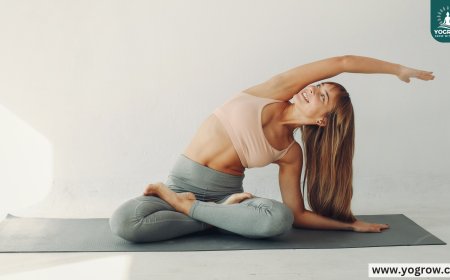
Improved circulation can contribute to better oxygen flow and reduced stiffness, helping women feel more energized and physically comfortable. Gentle twists, hip-opening poses, and restorative postures are commonly practiced to improve flexibility and encourage relaxation.
5. Encourages Better Sleep and Emotional Wellness
Poor sleep quality and anxiety are common concerns for many women managing PCOD. Yoga can support relaxation by slowing the body and mind, especially when practiced in the evening.
The Cleveland Clinic notes that mind-body practices such as yoga may contribute to better stress management and improved sleep habits. Better sleep may indirectly support hormone function and daily energy levels.
Practical Steps: Supportive Yoga Movements for PCOD Symptom Relief
Step 1: Start with Gentle Breathing Exercises
Before beginning physical movements, spend 5–10 minutes focusing on deep breathing. Controlled breathing techniques may help reduce stress and prepare your body for movement.
Sit comfortably, inhale deeply through the nose, and exhale slowly. Repeat this for several minutes to relax your nervous system.
Step 2: Practice Beginner-Friendly Yoga Poses
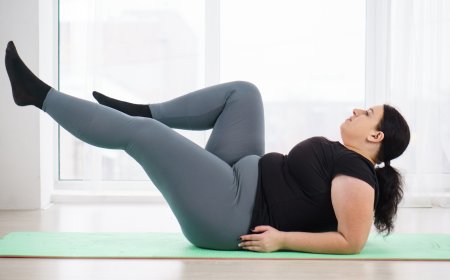
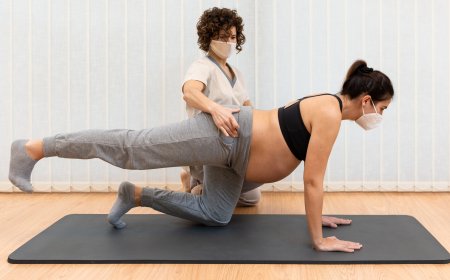
Start with simple, supportive yoga movements that feel comfortable for your body. Gentle stretches and low-impact poses are ideal for beginners.
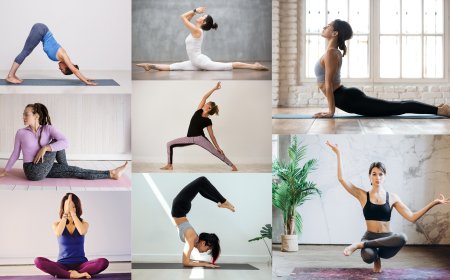
Some commonly practiced yoga movements for PCOD support include:
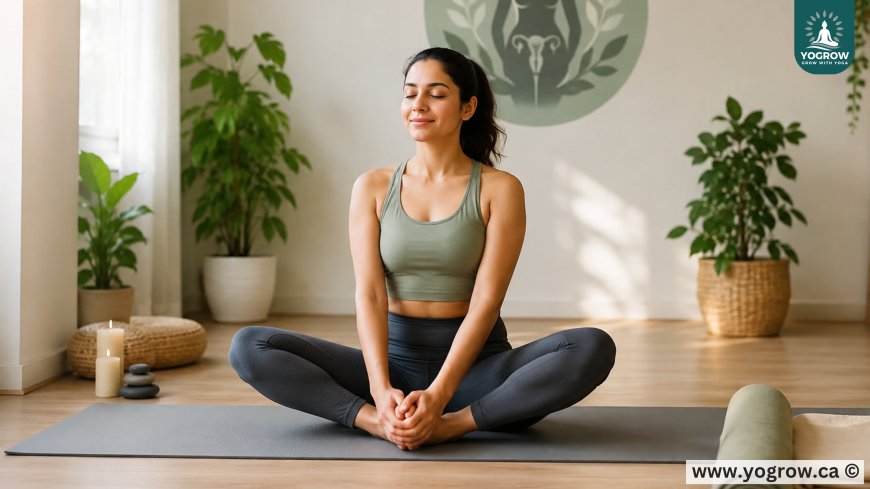
- Butterfly Pose (Baddha Konasana)
- Cat-Cow Stretch
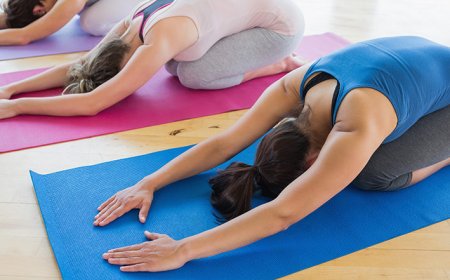
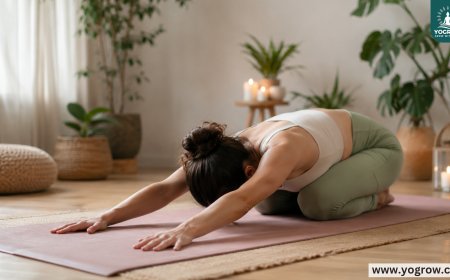
- Child’s Pose (Balasana)
- Cobra Pose (Bhujangasana)
- Bridge Pose (Setu Bandhasana)
Move slowly and avoid pushing beyond your comfort level.
Step 3: Stay Consistent with Practice
Consistency matters more than doing long sessions occasionally. Aim for 20–30 minutes of yoga several times each week. Creating a sustainable routine may help improve physical comfort and emotional wellness over time.
You can combine movement with mindfulness practices, calming music, or guided yoga sessions for better consistency.
Step 4: Pair Yoga with Healthy Lifestyle Habits
Yoga works best when combined with balanced nutrition, hydration, adequate sleep, and medical guidance if needed. Since PCOD symptoms vary from person to person, creating a personalized wellness plan is helpful.
Women looking for a gentle starting point can also explore PCOD Relief Starts Here: Simple Yoga for Mind & Body Healing on Yogrow for supportive practices focused on emotional and physical wellness.
Step 5: Listen to Your Body
Every body responds differently to movement. Some days you may feel energetic, while other days may require slower, restorative sessions. Avoid overexertion and focus on building a healthy, sustainable routine.
If symptoms become severe or concerning, consult a healthcare professional for personalized support.
Managing PCOD can feel challenging, but supportive lifestyle practices can make a meaningful difference over time. Supportive yoga movements for PCOD symptom relief may help reduce stress, improve flexibility, support emotional wellness, and encourage healthier daily habits. While yoga is not a replacement for medical care, it can become a powerful complementary practice for women seeking a natural and mindful approach to wellness.
If you are ready to explore more yoga practices for hormonal wellness, visit Yogrow’s helpful resources and discover beginner-friendly routines designed for women managing PCOD. Have questions or experiences with yoga for PCOD? Leave a comment, join a class, or explore more wellness guides on Yogrow today.
What's Your Reaction?
 Like
0
Like
0
 Dislike
0
Dislike
0
 Love
0
Love
0
 Funny
0
Funny
0
 Angry
0
Angry
0
 Sad
0
Sad
0
 Wow
0
Wow
0