
This Relaxing Yoga Routine Is Perfect for Difficult PCOS Days
Ease difficult PCOS days with a relaxing yoga routine that helps reduce stress, balance hormones, relieve cramps, and support overall reproductive wellness naturally.

Living with PCOS (Polycystic Ovary Syndrome) can feel like an emotional and physical roller coaster. From painful cramps and bloating to fatigue, mood swings, and hormonal imbalances, some days simply feel harder than others. A relaxing yoga routine for difficult PCOS days offers a gentle, natural way to support your body without adding more stress to your already demanding schedule.
Unlike intense workouts that may leave you feeling exhausted, restorative yoga encourages your body to slow down, breathe deeply, and activate its natural healing response. Whether you're experiencing menstrual discomfort, hormonal fluctuations, or mental fatigue, practicing calming yoga poses can help you reconnect with your body while promoting overall well-being.
Benefits of a Relaxing Yoga Routine for Difficult PCOS Days
Helps Lower Stress Hormones
Stress is one of the biggest contributors to worsening PCOS symptoms. When your body experiences chronic stress, cortisol levels rise, which may further disrupt hormonal balance and menstrual regularity.

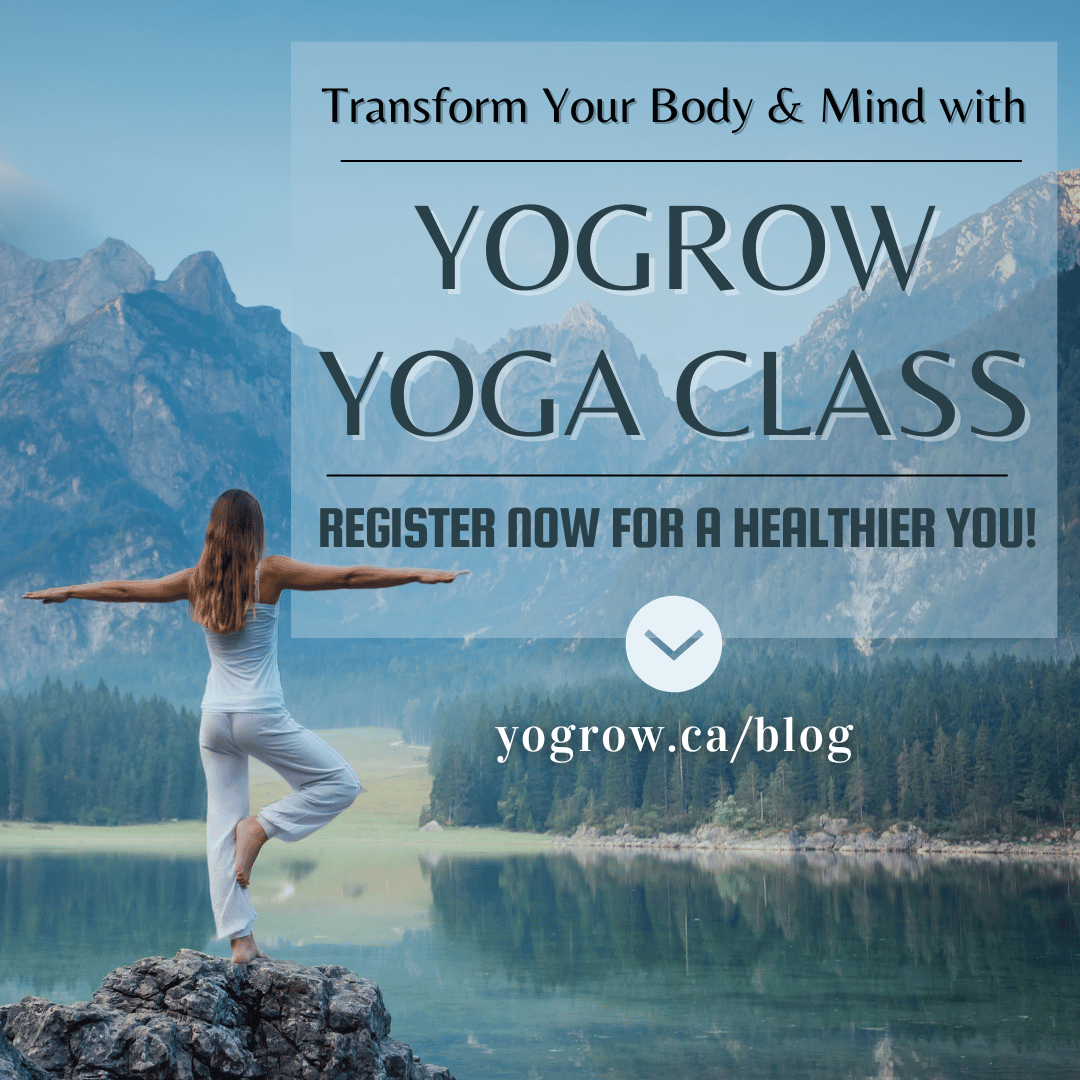
Gentle yoga activates the parasympathetic nervous system—often called the "rest and digest" mode—which helps lower cortisol production. Controlled breathing combined with slow stretching encourages relaxation while calming the nervous system. This creates an ideal environment for your body to regulate hormones more effectively.
Research also suggests that yoga may improve insulin sensitivity and reduce stress-related symptoms among women with PCOS. You can learn more from Healthline's comprehensive guide on Yoga for PCOS: https://www.healthline.com/health/yoga-for-pcos
If you're looking for additional poses specifically designed to support hormone health, explore our guide on 5 yoga poses that help naturally balance PCOS hormones:
https://yogrow.ca/blog/pcos-hormones-out-of-balance-these-5-yoga-poses-can-help-naturally
Reduces Pelvic Tension and Menstrual Discomfort
Difficult PCOS days often come with abdominal tightness, pelvic discomfort, and lower back pain. Restorative yoga helps gently release muscle tension without putting unnecessary pressure on the body.
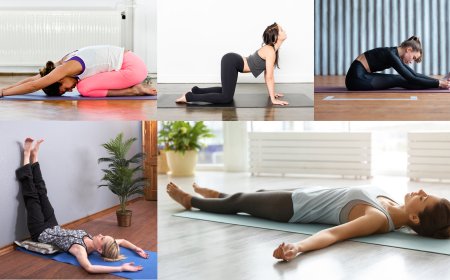
Poses such as Child's Pose, Reclining Bound Angle Pose, and Supported Forward Fold encourage blood circulation around the pelvic region. Improved circulation delivers oxygen-rich blood to muscles while helping reduce stiffness and discomfort.
Adding supportive props like cushions or yoga blocks can make these poses even more comfortable during painful days.
Supports Better Hormonal Balance


Although yoga isn't a cure for PCOS, regular practice can support many systems that influence hormone regulation.
Gentle movement stimulates healthy blood flow to reproductive organs while improving endocrine function. Deep breathing exercises also help reduce chronic inflammation and support balanced nervous system activity.
Combined with proper nutrition, quality sleep, and medical guidance when necessary, yoga becomes an excellent complementary practice for managing PCOS naturally.
Improves Mood and Mental Well-Being
Living with PCOS doesn't only affect physical health—it also impacts emotional wellness. Anxiety, irritability, brain fog, and mood fluctuations are common experiences for many women.
Yoga encourages mindfulness by bringing attention to your breath and present moment awareness. During practice, your body releases endorphins—natural chemicals associated with improved mood and reduced anxiety.
Over time, even a short 20-minute routine can help improve emotional resilience, making difficult days feel much more manageable.
Encourages Better Sleep and Recovery
Poor sleep can make PCOS symptoms significantly worse by affecting insulin resistance, hunger hormones, and emotional regulation.
A calming evening yoga practice prepares the body for restful sleep by lowering heart rate, relaxing muscles, and slowing racing thoughts.
Restorative poses combined with diaphragmatic breathing can become a healthy bedtime ritual that supports deeper recovery and improved hormonal health.
Step-by-Step Relaxing Yoga Routine for Difficult PCOS Days
The following gentle sequence takes approximately 20–30 minutes and is suitable for beginners. Move slowly and listen to your body. If any pose causes pain, modify it or skip it.
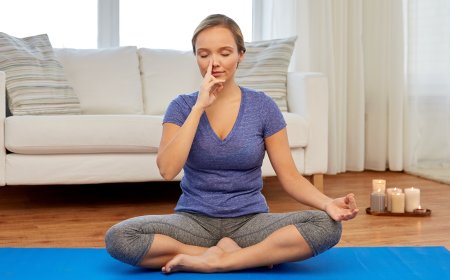
Step 1: Begin with Deep Belly Breathing (3–5 Minutes)
Sit comfortably or lie on your back.
- Place one hand on your chest and one on your abdomen.
- Inhale slowly through your nose for four counts.
- Exhale gently for six counts.
- Allow your abdomen to rise and fall naturally.
This breathing technique helps calm the nervous system before movement begins.
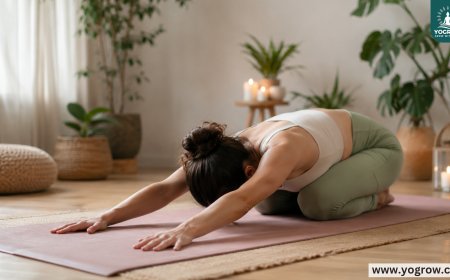
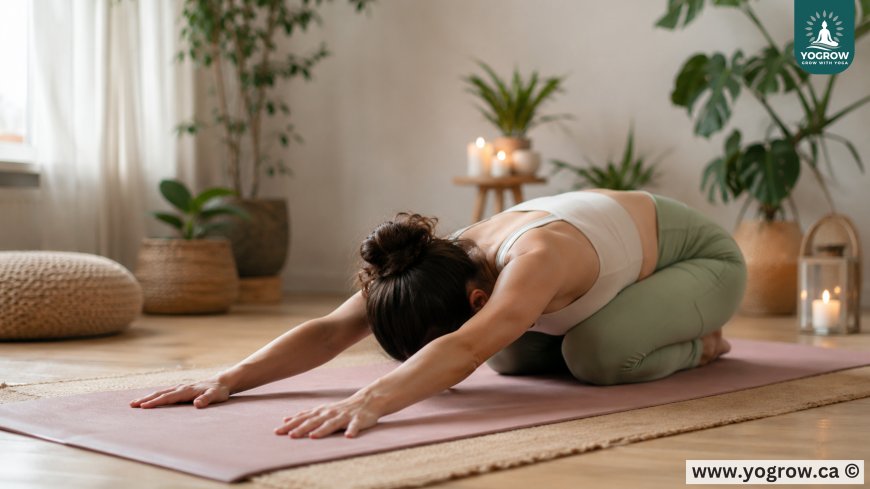
Step 2: Child's Pose (Balasana)
Child's Pose gently stretches the hips, lower back, and spine while encouraging deep relaxation.
Benefits include:
- Reduces lower back tension
- Calms the nervous system
- Relieves pelvic pressure
- Promotes mindful breathing
Hold for 1–3 minutes while breathing slowly.
Step 3: Cat-Cow Stretch
- Move gently between Cat and Cow poses.
- Repeat for 8–10 slow rounds.
Benefits:
- Improves spinal mobility
- Relieves stiffness
- Enhances circulation
- Reduces lower back discomfort
Synchronize every movement with your breath.
Step 4: Reclining Bound Angle Pose (Supta Baddha Konasana)
- Lie on your back.
- Bring the soles of your feet together while allowing your knees to fall outward.
- Support your knees with cushions if needed.
- Remain here for 3–5 minutes.
Benefits include:
- Opens the hips gently
- Improves pelvic circulation
- Encourages deep relaxation
- Reduces tension around reproductive organs
Step 5: Legs-Up-the-Wall Pose (Viparita Karani)
Position yourself with your legs resting vertically against a wall.
Stay for 5–10 minutes.
Benefits:
- Relieves tired legs
- Improves circulation
- Reduces swelling
- Calms the nervous system
- Supports stress reduction
This pose is especially helpful after long workdays or during periods of fatigue.
Step 6: Seated Forward Fold
- Sit comfortably with your legs extended.
- Fold forward only as far as feels comfortable.
- Avoid forcing the stretch.
Benefits include:
- Relaxes the nervous system
- Gently stretches hamstrings
- Encourages deep breathing
- Supports mental relaxation
Stay for 1–2 minutes.
Step 7: Guided Relaxation (Savasana)
- Finish your practice by lying comfortably on your back.
- Close your eyes.
- Allow your breathing to become natural.
- Stay here for 5–10 minutes.
- Focus on releasing physical tension from every part of your body.
- This final relaxation helps your body absorb the benefits of your entire practice.
Tips for Practicing Yoga During Difficult PCOS Days
To make your yoga practice as supportive as possible, keep these simple guidelines in mind:
- Practice at your own pace without comparing yourself to others.
- Avoid high-intensity workouts when you're feeling exhausted or experiencing severe cramps.
- Use cushions, blankets, and yoga blocks for extra comfort.
- Stay hydrated before and after your session.
- Wear loose, breathable clothing that allows unrestricted movement.
- Pair yoga with nutritious meals, quality sleep, and medical care when needed.
- Practice consistently, even if it's only for 15–20 minutes a day.
According to health experts, consistent yoga practice may improve stress levels, flexibility, and overall quality of life for women managing PCOS. Learn more from this evidence-based resource:
https://www.healthline.com/health/yoga-for-pcos
Why Consistency Matters More Than Intensity
Many people believe longer or harder workouts produce better results. However, when managing PCOS, consistency often matters more than intensity.
Gentle yoga performed several times each week supports hormone regulation without overwhelming the body's stress response.
Rather than pushing through fatigue, restorative movement teaches your body to recover, regulate, and restore itself naturally.
Small daily habits often produce more sustainable improvements than occasional intense exercise sessions.
Managing PCOS isn't about finding one perfect solution—it's about building supportive daily habits that help your body function at its best. A relaxing yoga routine for difficult PCOS days can reduce stress, ease discomfort, improve sleep, and encourage healthier hormonal balance over time.
If you're looking for even more gentle movement techniques, don't miss our guide on supportive yoga movements that naturally relieve PCOD symptoms:
https://yogrow.ca/blog/how-supportive-yoga-movements-can-help-relieve-pcod-symptoms-naturally-yogrow
Ready to feel calmer and more connected to your body? Explore more wellness resources on Yogrow, join one of our yoga sessions, subscribe to our blog for expert tips, or share your experience in the comments—we'd love to support your wellness journey every step of the way.
What's Your Reaction?
 Like
0
Like
0
 Dislike
0
Dislike
0
 Love
0
Love
0
 Funny
0
Funny
0
 Angry
0
Angry
0
 Sad
0
Sad
0
 Wow
0
Wow
0