
The Evening Yoga Routine That Helps You Sleep Without Overthinking
Discover the best evening yoga routine to sleep better, calm your mind, reduce overthinking, and wake up refreshed with this simple nightly yoga practice.

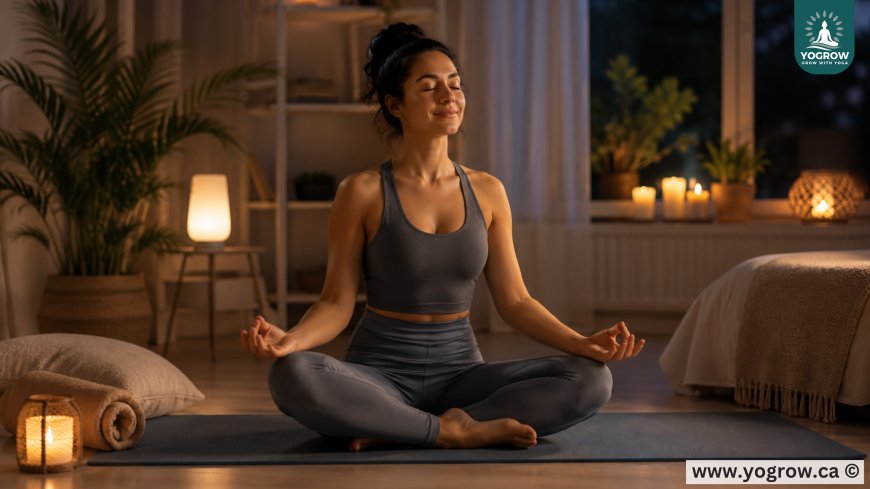
Have you ever climbed into bed feeling exhausted, only to find your mind replaying conversations, worrying about tomorrow, or creating endless to-do lists? An evening yoga routine can help break that cycle by encouraging both your body and mind to slow down before bedtime. In today's fast-paced world, many people struggle with stress, overstimulation, and poor sleep habits. Instead of scrolling on your phone or relying on temporary fixes, practicing a few mindful yoga poses each evening can become a calming ritual that prepares you for deep, restorative rest.
Yoga is not only about flexibility—it is also a powerful tool for relaxation, breathing awareness, and mental clarity. With just 15 to 20 minutes each night, you can create a peaceful transition from a busy day to a restful night.
Benefits of an Evening Yoga Routine
It Helps Calm an Overactive Mind
One of the biggest reasons people struggle to sleep is an active mind that refuses to switch off. Evening yoga encourages mindfulness by shifting your attention away from racing thoughts and toward your breath and body movements.


Gentle stretches combined with slow breathing activate the body's relaxation response, helping reduce mental tension accumulated throughout the day. Instead of fighting your thoughts, yoga teaches you to acknowledge them and gently return your focus to the present moment.
If overthinking keeps you awake at night, you may also enjoy reading "Overthinking Too Much? This Simple Yoga Flow Can Calm Your Mind" on Yogrow: https://yogrow.ca/blog/overthinking-too-much-this-simple-yoga-flow-can-calm-your-mind-yogrow
It Relaxes Tight Muscles After a Long Day
Whether you've spent hours sitting at a desk, driving, standing, or exercising, your muscles naturally collect tension throughout the day. Tight hips, shoulders, neck muscles, and the lower back can make it difficult to fully relax when bedtime arrives.
An evening yoga routine gently stretches these commonly tight areas without placing extra stress on the body. As your muscles begin to release tension, your nervous system also starts to settle, making it easier to drift into sleep naturally.
Unlike intense workouts that increase heart rate late in the evening, gentle yoga encourages recovery and relaxation.
It Supports Better Sleep Quality


Many people assume sleep problems are only about getting enough hours, but sleep quality matters just as much. Yoga helps prepare your body for more restful sleep by encouraging slower breathing, lowering physical tension, and promoting relaxation.
According to Yoga Journal's Evening Yoga Sequence, gentle evening stretches and calming poses can help prepare both body and mind for bedtime by encouraging relaxation before sleep:
https://www.yogajournal.com/practice/yoga-sequences/evening-sequence/
When practiced consistently, many people notice they fall asleep faster, wake up less during the night, and feel more refreshed in the morning.
It Builds a Healthy Nighttime Habit
Our brains love routines. Repeating the same calming activities every evening teaches your body that it's time to wind down.
Instead of ending your day with endless scrolling, television, or work emails, replacing just 15 minutes with yoga creates a positive bedtime ritual. Over time, this habit becomes something your mind begins to associate with rest and recovery.
If you're looking to build healthier daily wellness habits, explore our guide:
https://yogrow.ca/blog/why-everyone-is-turning-to-yoga-for-daily-wellness-in-2026-yogrow
It explains why more people are choosing yoga as part of their everyday lifestyle.
It Encourages Mindful Breathing
Most people don't realize how much stress changes the way they breathe. During anxious moments, breathing often becomes shallow and fast.
Evening yoga places significant emphasis on slow, controlled breathing. Deep breathing sends calming signals throughout the nervous system, helping lower stress and prepare the body for sleep.
Simple breathing exercises practiced alongside gentle yoga poses can make a noticeable difference in how relaxed you feel before bedtime.
A Simple Evening Yoga Routine You Can Follow
You don't need advanced flexibility or years of experience to enjoy the benefits of evening yoga. This beginner-friendly routine takes around 15–20 minutes and focuses on relaxation rather than intensity.
Step 1: Create a Peaceful Environment
Before beginning your practice, dim the lights and reduce distractions. Put your phone on silent, wear comfortable clothing, and choose a quiet space where you won't be interrupted.
Soft lighting and a calm atmosphere help signal to your brain that it's time to unwind.
Step 2: Begin With Gentle Deep Breathing (2–3 Minutes)
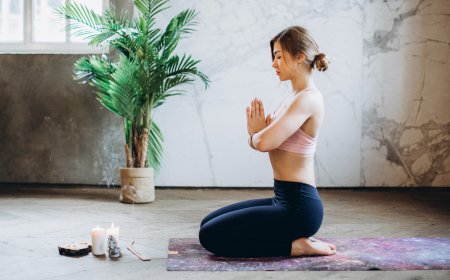
- Sit comfortably with your spine tall.
- Close your eyes.
- Take slow breaths through your nose.
- Inhale for four counts.
- Exhale for six counts.
- Allow your shoulders to soften with each breath.
This simple breathing exercise helps transition your body from a busy day into relaxation mode.
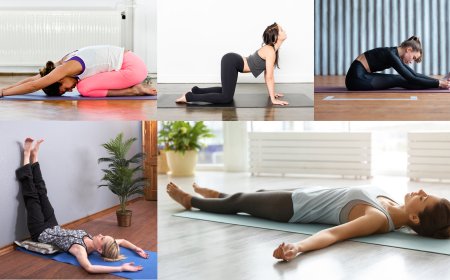
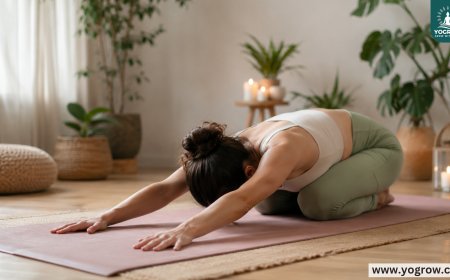
Step 3: Child's Pose
- Child's Pose gently stretches the back, hips, and shoulders while encouraging complete relaxation.
- Hold the pose for one to two minutes while breathing slowly.
- Focus on releasing tension rather than stretching deeply.
Step 4: Cat-Cow Stretch
- Move slowly between Cat and Cow Pose for one to two minutes.
- This movement releases spinal stiffness while syncing movement with breathing.
- Avoid rushing through the exercise.
Step 5: Seated Forward Fold
- Sit with your legs extended and gently fold forward.
- Don't worry about touching your toes.
- Simply allow your back, neck, and hamstrings to relax.
- Hold for one minute while breathing deeply.
Step 6: Supine Twist
- Lie on your back.
- Bring one knee across your body while keeping both shoulders grounded.
- Repeat on the opposite side.
- Twists gently release lower back tension that often builds throughout the day.
Step 7: Legs-Up-the-Wall Pose
This restorative pose is especially helpful after long periods of standing or sitting.
- Lie close to a wall.
- Rest your legs vertically against it.
- Stay for five to ten minutes while breathing slowly.
- Many practitioners find this one of the most relaxing poses before bedtime.
Step 8: Finish With Savasana
- End your practice by lying flat on your back.
- Allow your arms and legs to relax naturally.
- Close your eyes.
- Focus only on your breathing for five minutes.
- Resist the urge to check your phone afterward.
- Instead, allow your relaxed state to carry naturally into bedtime.
Tips for Getting the Most Out of Your Evening Yoga Practice
Consistency matters more than duration. Even ten to fifteen minutes each evening can become a meaningful habit when practiced regularly.
Avoid vigorous yoga styles late at night. Fast-paced or physically demanding sessions may leave you feeling energized rather than relaxed. Gentle, restorative movements are generally more suitable before bedtime.
Try to practice around the same time every evening. A consistent schedule helps reinforce your body's natural sleep rhythm.
If possible, avoid heavy meals immediately before your yoga session. Giving your body some time to digest can make your practice more comfortable.
Keep your breathing slow and steady throughout the routine. Rather than aiming for perfect poses, focus on creating a sense of ease and relaxation.
Finally, remember that progress is gradual. The benefits of evening yoga often become more noticeable with regular practice over time.
An evening yoga routine offers much more than gentle stretching—it creates an opportunity to pause, breathe, and let go of the stress accumulated throughout the day. By calming the nervous system, relaxing tense muscles, and encouraging mindful breathing, yoga can become an effective part of a healthy bedtime routine. Even a short practice each night can help you feel more relaxed and mentally prepared for restful sleep.
If racing thoughts often keep you awake, don't miss our article "Overthinking Too Much? This Simple Yoga Flow Can Calm Your Mind": https://yogrow.ca/blog/overthinking-too-much-this-simple-yoga-flow-can-calm-your-mind-yogrow
At Yogrow, we're committed to helping you build sustainable wellness habits through yoga, mindfulness, and simple daily practices. Explore our other blogs, join a class, subscribe for more wellness tips, and begin creating a bedtime routine that helps you rest, recharge, and wake up feeling refreshed.
What's Your Reaction?
 Like
0
Like
0
 Dislike
0
Dislike
0
 Love
0
Love
0
 Funny
0
Funny
0
 Angry
0
Angry
0
 Sad
0
Sad
0
 Wow
0
Wow
0