


The Best Yoga Poses to Relieve Back Pain
Discover the best yoga poses to relieve back pain safely. Learn how to strengthen your back, improve flexibility, and practice mindful yoga to reduce tension and discomfort.

Yoga is often praised as a gentle way to improve flexibility, strength, and overall well-being, and it can be especially beneficial for people struggling with back pain. With the right approach, yoga can help soothe low back pain, which is one of the most common issues people face, particularly as they get older.
Why Yoga Helps with Back Pain
Yoga is more than just stretching—it’s about combining mindful movement with deep breathing to build strength and flexibility in key muscle groups that support the spine. By working on muscles like the paraspinals, multifidus, and transverse abdominis, yoga helps stabilize and strengthen the muscles that keep your back healthy and flexible.
Beyond the physical benefits, yoga also offers emotional relief. The slow, deliberate movements paired with breathing exercises can help reduce stress, anxiety, and the mental strain that often accompanies chronic pain.
Helpful Yoga Poses for Back Pain Relief
Certain yoga poses target key areas of the body to help alleviate back pain. Some of the most effective poses include:
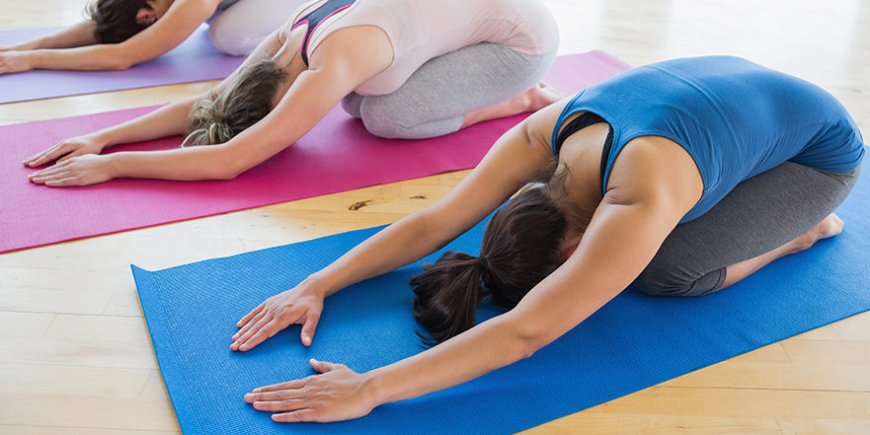
- Child’s Pose: A gentle stretch for your spine, hips, and knees, it promotes relaxation and helps alleviate lower back tension.
- Cat-Cow Stretch: This dynamic movement increases spinal flexibility and stretches the back muscles.
- Downward Dog: This full-body stretch helps release tension in the back, hamstrings, and shoulders.
- Cobra Pose: A backbend that strengthens the lower back and stretches the chest, improving spinal flexibility.
- Sphinx Pose: A gentle backbend that opens up the lower back and improves spinal alignment.
- Bridge Pose: Strengthens the glutes, lower back, and core while stretching the hip flexors and improving posture.
- Seated Spinal Twist: A therapeutic twist that stretches the spine and helps alleviate lower back stiffness.
- Pigeon Pose: Targets the hips and lower back, releasing tension in the muscles surrounding the spine.
What to Be Mindful of When Practicing Yoga for Back Pain
While yoga is a gentle practice, it’s still important to practice it with care. One of the main mistakes people make is rushing into poses or trying to twist or bend too deeply too quickly. This can lead to strain or injury.


Dr. Lauren Elson, an expert in yoga therapy, compares it to lifting weights too quickly without proper form. "When you move into a pose too fast, you don’t give your muscles the time they need to activate properly," she explains. Instead, the focus should be on engaging your core and lengthening your spine before you move into the twist or stretch. Take it slow, and never push your body too far.
Tips for Protecting Your Back During Yoga Practice
-
Avoid Twisting and Extending Together
Twisting and extending your spine at the same time can place excessive pressure on your intervertebral joints. Try to keep these movements separate to avoid injury. -
Use Props for Support
Props like yoga blocks, straps, or bolsters can be a great way to support your body and make poses more accessible. If you can't reach your feet, for example, a strap can help you extend further without straining your back. -
Sit for Forward Bends Instead of Standing
Forward bends are often easier on the back when done while sitting rather than standing. This position allows you to keep your back supported as you stretch. -
Engage Your Core
Whenever you're doing forward bends or other movements that involve flexion, make sure to engage your core to support your spine. This can help prevent unnecessary strain on your lower back. -
Don’t Hesitate to Ask for Modifications
If a pose feels too challenging or uncomfortable, always feel free to ask your instructor for modifications. They can guide you through safer versions of poses that better suit your body.
Consult Your Doctor Before Starting Yoga
Before you begin a yoga practice to manage your back pain, it’s essential to check with your doctor, especially if you have a pre-existing condition like a herniated disc or a spinal fracture. If your doctor gives the go-ahead, let your yoga instructor know about your limitations so they can guide you safely through each class.


Many yoga studios offer classes specifically designed for back pain relief, where the poses are tailored to help you build strength and flexibility gradually.
Take It Slow and Be Patient
Yoga can work wonders for your back if practiced carefully and with patience. Focus on slow, deliberate movements, listen to your body, and remember that your back needs time to heal and strengthen. By practicing mindfully, you’ll build a foundation of strength and flexibility that can help alleviate pain and prevent future issues.
What's Your Reaction?
 Like
0
Like
0
 Dislike
0
Dislike
0
 Love
0
Love
0
 Funny
0
Funny
0
 Angry
0
Angry
0
 Sad
0
Sad
0
 Wow
0
Wow
0