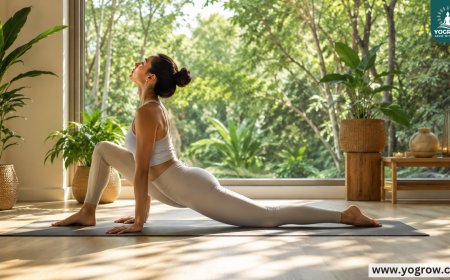

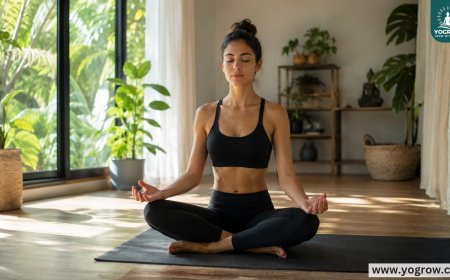

Say Goodbye to Hormonal Imbalance: Yoga for Healthy Ovaries
Discover how yoga supports hormonal balance, reduces stress, and improves ovarian health in women with PCOS/PCOD. Learn benefits, poses, tips, and more.

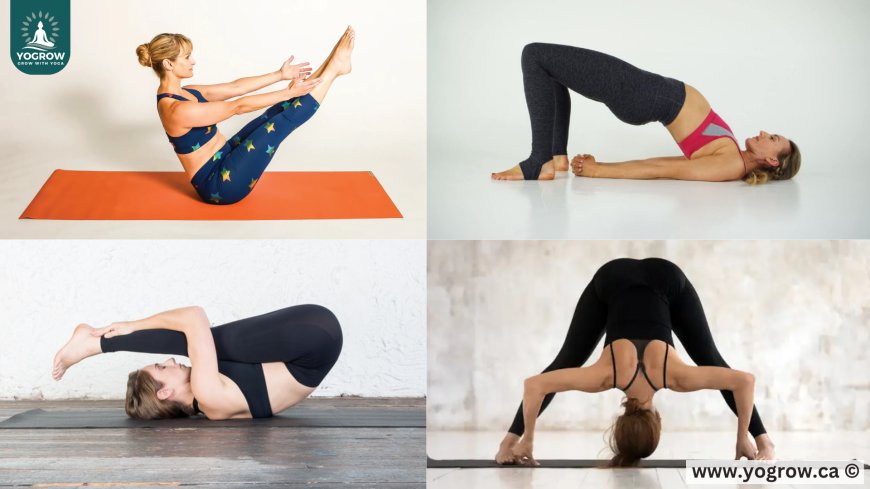
Polycystic Ovary Syndrome (PCOS) and Polycystic Ovary Disease (PCOD) are among the most common hormonal disorders affecting women today. With rising stress levels, sedentary routines, and lifestyle imbalances, these conditions are becoming increasingly prevalent. Yoga for healthy ovaries has emerged as one of the most effective natural approaches for managing symptoms, balancing hormones, and improving overall reproductive health. At AthaYog, known as the Best Yoga Studio in Indiranagar, Bangalore, the focus is on empowering women through mindful movement, breathwork, and deep relaxation to support long-term healing.
Benefits of Yoga for Healthy Ovaries in PCOD & PCOS
Yoga offers holistic, science-backed benefits for women struggling with ovarian imbalances. It addresses not just the physical symptoms, but also the emotional and hormonal disruptions associated with PCOD and PCOS. Here are the most impactful benefits:
1. Yoga Supports Hormonal Balance Naturally
One of the biggest challenges in PCOD and PCOS is hormonal imbalance caused by excess androgen (male hormone) production. Yoga helps stimulate the endocrine system, enhancing the function of glands like the thyroid, pituitary, and adrenal glands. This hormonal regulation promotes healthier ovulation, menstrual regularity, and ovarian function.
An insightful article from the Times of India highlights several effective yoga poses specifically designed to stabilize hormone production and improve ovarian health. You can explore these evidence-backed insights through this resource on yoga poses to manage PCOD and support hormone balance for added credibility.
Practices like Baddha Konasana, Viparita Karani, and Malasana gently stimulate the pelvic region, supporting the ovaries and reproductive organs. These poses are excellent additions to a holistic PCOD routine.For deeper understanding on the stress-hormone connection, explore our i nternal resource: Deep Healing Yoga for PCOS – The Stress Relief Secret Every Woman Should Know.


2. Yoga Reduces Stress—A Major Trigger for PCOD Symptoms
Stress plays a powerful role in worsening PCOD/PCOS symptoms by elevating cortisol levels. Chronic stress disrupts periods, increases inflammation, and triggers weight gain.
Yoga—especially practices like Nadi Shodhana and Bhramari Pranayama—calms the nervous system, activates the parasympathetic response, and reduces anxiety. When cortisol levels drop, the body can restore hormonal equilibrium more efficiently.
A holistic approach, as explained in this high-authority resource on yoga for PCOS and PCOD , shows how calming practices significantly reduce physical and emotional symptoms. This further validates yoga’s essential role in managing ovarian health.
3. Yoga Improves Blood Circulation to the Ovaries
Enhanced pelvic blood flow is crucial for healthy ovarian function. Yoga asanas gently massage and stretch the lower abdomen, hips, and pelvic region, stimulating better circulation. This increased blood flow improves:
-
Ovarian function
-
Menstrual regularity
-
Detoxification

-
Pain management during menstruation


Poses like Bhujangasana (Cobra Pose) and Dhanurasana (Bow Pose) are particularly effective for rejuvenating the reproductive organs. For women trying to conceive naturally despite PCOD/PCOS, improving circulation is vital. Learn more through our internal article:
Flow for Fertility: How Yoga Helps Women with PCOD Conceive Naturally.
4. Yoga Helps with Sustainable Weight Management
Weight gain and difficulty losing weight are common struggles among women with PCOD. Yoga improves metabolism, builds lean muscle, and supports healthier insulin response—all crucial factors for sustainable weight loss. Dynamic yoga styles like Vinyasa or Hatha Yoga increase calorie burn, while restorative postures lower stress-related eating. This combination makes yoga highly effective for managing weight without exhausting the body.
Moreover, yoga encourages mindful eating and improved body awareness, making it easier to maintain a healthy lifestyle long-term.
5. Yoga Enhances Insulin Sensitivity
Insulin resistance is a core issue in many PCOD and PCOS cases. When the body does not respond properly to insulin, it leads to weight gain, acne, ovarian cysts, and metabolic disorders.
Regular yoga improves insulin sensitivity, helping regulate blood sugar levels. Poses that twist, compress, or stretch the abdomen stimulate the pancreas and support metabolic health. When paired with breathwork, yoga becomes a powerful tool to stabilize glucose levels naturally.
Practical Steps: A Step-by-Step Yoga Routine for Healthy Ovaries
Here’s a simple but effective daily practice you can begin immediately. It includes poses, pranayama, and mindfulness for optimal ovarian health. This step-by-step guide aligns with expert insights shared by high-authority platforms on yoga and PCOD.
Step 1: Begin with Breathwork (5 minutes)
Start with gentle deep breathing to relax your mind and prepare your body.
Practice:
-
10–15 slow, deep breaths
-
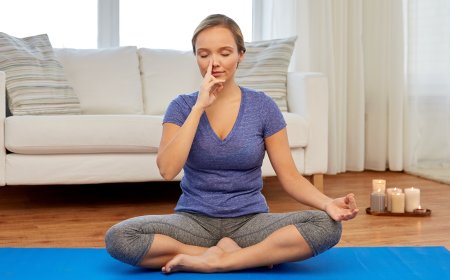
Followed by 2 minutes of Nadi Shodhana (Alternate Nostril Breathing)
Benefits:
Reduces cortisol, balances energy channels, and preps the endocrine system.
Step 2: Warm-Up Movements (5 minutes)
Perform simple movements to open up the hips, abdomen, and lower back:
-
Hip circles
-
Cat-Cow stretch
-
Pelvic tilts
These movements increase circulation and reduce stiffness.
Step 3: Perform Key PCOD-Friendly Asanas (15–20 minutes)
Here’s a structured flow:
-
Baddha Konasana (Bound Angle Pose) – 1–2 minutes
Opens the pelvic region and supports reproductive health. -
Malasana (Garland Pose) – 45 seconds to 1 minute
Enhances digestion and hormonal balance. -
Bhujangasana (Cobra Pose) – Hold for 20–30 seconds
Strengthens the abdomen and improves ovarian blood flow. -
Dhanurasana (Bow Pose) – Hold for 20 seconds
Stimulates reproductive organs. -
Viparita Karani (Legs-Up-The-Wall Pose) – 3–5 minutes
Restores the nervous system and improves circulation.
For pose effectiveness, refer to this external authoritative resource on effective yoga poses for managing PCOD .
Step 4: Finish with Pranayama & Meditation (5–8 minutes)
Bhramari Pranayama
-
Perform 5–7 rounds
-
Helps calm the mind and reduce anxiety
Mindfulness Meditation
-
Sit comfortably
-
Focus on breath and body awareness
-
Practice for 3–5 minutes
This combination promotes emotional balance and hormonal harmony.
Step 5: Adopt Complementary Lifestyle Tips
To enhance the benefits of yoga:
-
Eat whole foods, lean proteins, and fiber-rich vegetables
-
Minimize sugar and processed foods
-
Hydrate throughout the day
-
Maintain a regular sleep cycle
Healthy lifestyle habits work synergistically with yoga for long-term PCOD healing.
Yoga is one of the most holistic and powerful ways to support ovarian health, balance hormones, reduce stress, and manage long-term symptoms of PCOD and PCOS. By practicing the right asanas, pranayama, and mindfulness daily, women can experience noticeable improvements in overall well-being, menstrual regularity, and emotional stability.
For deeper guidance on fertility and PCOD recovery, explore our related article:
Flow for Fertility – How Yoga Helps Women with PCOD Conceive Naturally.
If you're ready to take the next step, join a yoga class, explore more women’s health content on Yogrow.ca, or leave a comment with your questions. Your healing journey starts with a single mindful breath—start today.
What's Your Reaction?
 Like
0
Like
0
 Dislike
0
Dislike
0
 Love
0
Love
0
 Funny
0
Funny
0
 Angry
0
Angry
0
 Sad
0
Sad
0
 Wow
0
Wow
0