
Yoga for Anxiety Relief: 6 Simple Poses That Calm Your Mind Fast
Discover how yoga for anxiety relief calms your mind and body. Learn benefits, beginner-friendly poses, and practical steps for lasting relaxation.

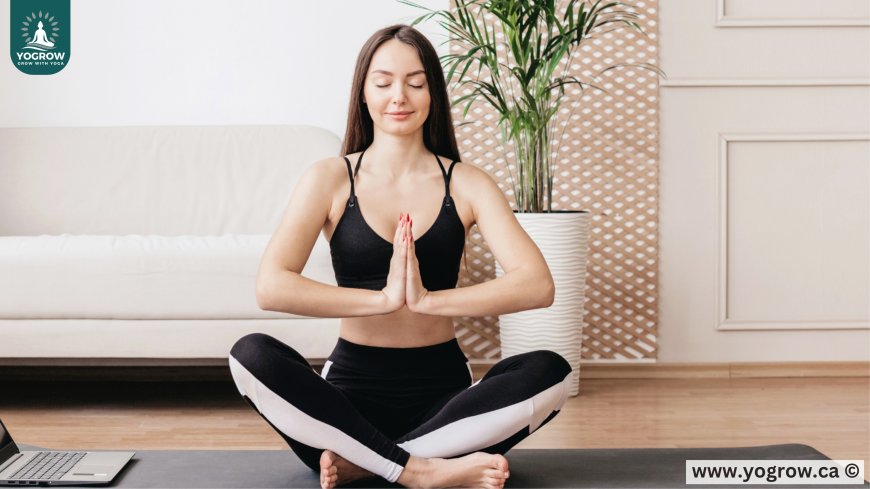
Yoga for anxiety relief has become an essential practice in today’s fast-paced world, where mental pressure, long workdays, and constant digital exposure are unavoidable. Anxiety does not only affect the mind—it manifests physically through tight muscles, shallow breathing, fatigue, and restlessness. When left unmanaged, these symptoms can slowly impact sleep quality, focus, and emotional balance.
Yoga offers a gentle yet powerful solution by combining mindful movement with controlled breathing. Unlike high-intensity workouts, yoga works directly with the nervous system, helping the body shift from a state of stress to a state of calm. Even short, beginner-friendly sessions can significantly reduce anxiety when practiced consistently and with awareness.
Benefits of Yoga for Anxiety Relief
Yoga is more than physical exercise—it is a mind-body practice that directly addresses the root causes of anxiety. Below are the most important ways yoga supports emotional and mental well-being.
1. Activates the Body’s Natural Relaxation Response
One of the most significant benefits of yoga for anxiety relief is its ability to activate the parasympathetic nervous system, also known as the “rest and digest” system. When this system becomes active, the body receives a signal that it is safe to relax.
Gentle yoga poses, combined with slow breathing, help lower heart rate, reduce blood pressure, and release muscle tension. This physiological shift counteracts the constant “fight or flight” response caused by chronic stress. According to calming yoga routines designed for anxiety reduction, even short practices can create noticeable mental calm when done mindfully and consistently.

2. Reduces Overthinking and Mental Restlessness
Anxiety often comes from repetitive thoughts about the past or future. Yoga encourages presence by focusing attention on breath, movement, and bodily sensations. This focus gently interrupts anxious thought patterns without forcing the mind to “stop thinking.”
Mindful movement creates space between thoughts, allowing mental clarity to emerge naturally. For those interested in understanding how yoga scientifically supports mental calm, exploring how anti-anxiety yoga helps you relax backed by science on Yogrow.ca offers deeper insight into how posture and breath influence brain chemistry.
3. Releases Physical Tension Stored in the Body
Stress is frequently stored in the shoulders, hips, jaw, and lower back. Over time, this tension can worsen anxiety by sending constant stress signals back to the brain. Yoga poses gently stretch and release these areas, helping the body let go of stored emotional pressure.
Forward folds, supine poses, and restorative postures are especially effective for releasing deep muscular tension. As the body softens, the mind naturally follows, creating a sense of emotional relief without effort or strain.
4. Improves Breathing Patterns and Oxygen Flow
Shallow breathing is a common symptom of anxiety. Yoga retrains breathing patterns by encouraging slow, controlled inhalations and extended exhalations. This improves oxygen delivery to the brain and helps regulate the nervous system.
Simple breathing techniques practiced during yoga sessions can be used throughout the day, offering immediate anxiety relief during stressful moments. This practical benefit makes yoga a valuable daily tool, not just a scheduled exercise routine.
5. Supports Emotional Balance and Inner Stability
Yoga promotes emotional awareness without judgment. By tuning into sensations and emotions as they arise, practitioners develop a healthier relationship with their internal state. Over time, this awareness reduces emotional reactivity and builds resilience.

Yoga’s deeper impact goes beyond stress relief. Many practitioners discover emotional clarity and self-awareness through consistent practice, which aligns closely with the ideas explored in yoga and spiritual awakening through ancient postures, offering a more holistic understanding of yoga’s transformative power.
Practical Steps: 6 Beginner-Friendly Yoga Poses for Anxiety Relief
The following step-by-step yoga poses are gentle, accessible, and effective for calming the nervous system. These movements can be practiced at home without special equipment.
1. Child’s Pose (Balasana)
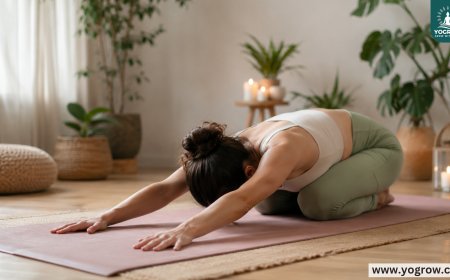
Child’s Pose is one of the most grounding yoga postures for anxiety relief. Begin by kneeling on the floor, bringing your big toes together, and sitting back on your heels. Slowly fold your torso forward and rest your forehead on the mat or a cushion.
Allow your arms to relax beside your body or extend them forward. Breathe slowly and deeply for one to three minutes. This pose creates a sense of safety, gently calming the mind and easing tension in the back, hips, and shoulders.
2. Cat-Cow Pose (Marjaryasana–Bitilasana)
Cat-Cow Pose is a flowing movement that gently mobilizes the spine while synchronizing breath and motion. Start on your hands and knees. Inhale as you lift your chest and tailbone (Cow Pose), then exhale as you round your spine and tuck your chin (Cat Pose).
Move slowly for one to two minutes. This rhythmic motion improves circulation, reduces stiffness, and helps release nervous tension, making it ideal after long hours of sitting or screen use.
3. Seated Forward Bend (Paschimottanasana)
Sit with your legs extended straight in front of you. Inhale to lengthen your spine, then exhale and gently fold forward from the hips. Keep the movement soft and avoid forcing the stretch.
Let your head and neck relax. This inward-focused posture has a deeply calming effect on the nervous system and is especially helpful during periods of mental fatigue or emotional overwhelm.
4. Supine Knee-to-Chest Pose (Apanasana)
Lie on your back and draw one or both knees toward your chest. Hold your knees gently and allow your lower back to relax into the floor. You may rock slowly side to side if it feels comfortable.
This nurturing pose releases tension from the lower back and abdomen—areas where anxiety is commonly stored. It also supports digestion, which can become disrupted during stress.
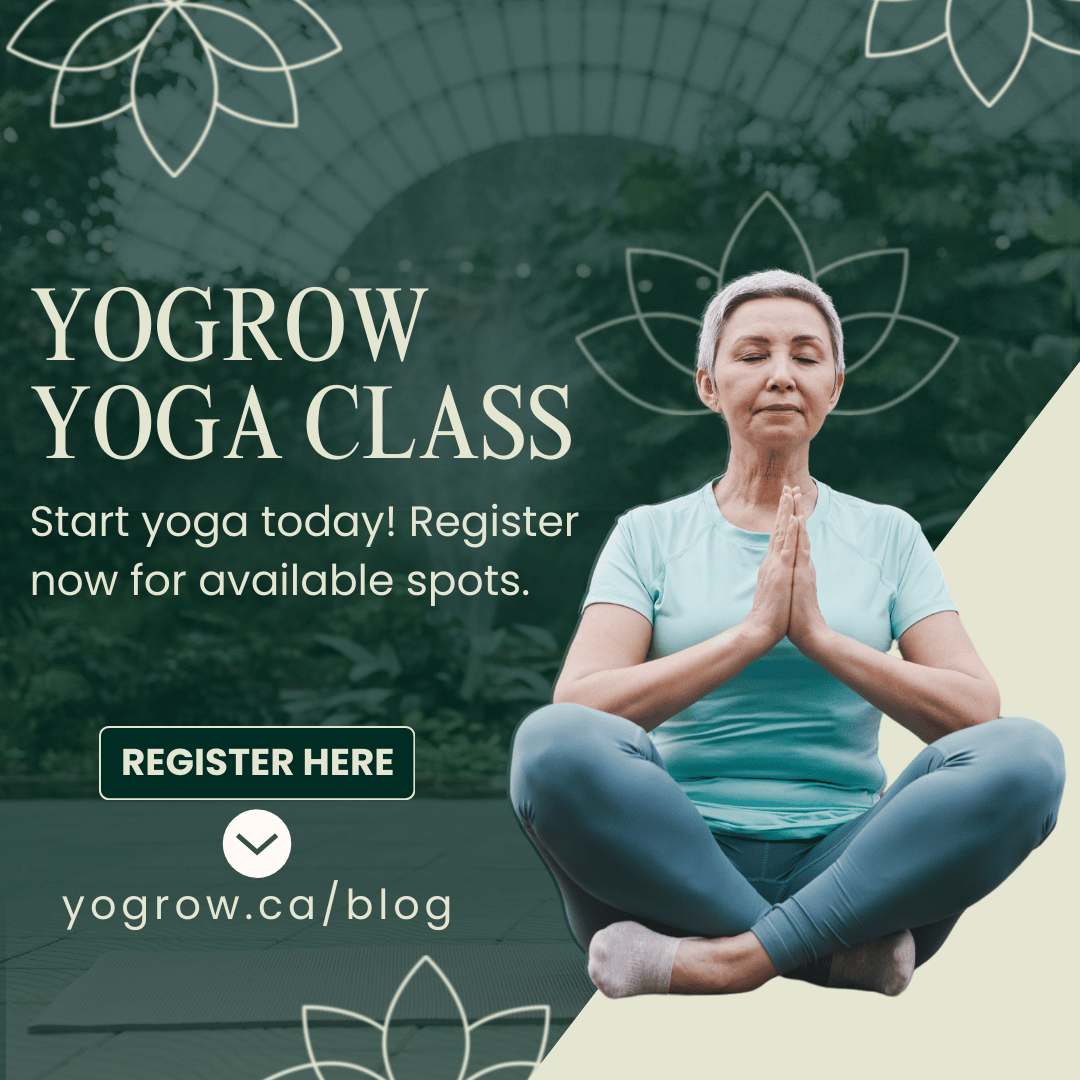
5. Seated Easy Pose with Slow Breathing (Sukhasana)
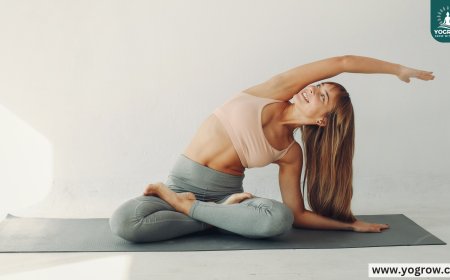
Sit comfortably with crossed legs and an upright spine. Rest your hands on your knees and close your eyes. Begin slow nasal breathing, inhaling for four counts and exhaling for six counts.
Extending the exhale sends a calming signal to the nervous system. Practicing this breathing pattern for just a few minutes can significantly reduce anxiety and restore emotional balance.
6. Legs Up the Wall Pose (Viparita Karani)
Lie on your back with your legs extended vertically against a wall. Allow your arms to rest comfortably by your sides, palms facing upward. Close your eyes and breathe naturally.
This restorative pose helps reduce pressure in the legs and lower back while encouraging deep relaxation. According to daily yoga routines for easing stress and anxiety, Legs Up the Wall is one of the most effective poses for instant calm before sleep or after a long day.
Best Times to Practice Yoga for Anxiety Relief
Yoga for anxiety relief can be practiced at any time of day, depending on your needs. Morning sessions help establish a calm mindset before daily responsibilities begin. Midday practices are ideal for releasing accumulated stress, while evening sessions prepare the body and mind for restful sleep.
Short practices of ten to fifteen minutes are often more effective than long, inconsistent routines. Consistency matters more than duration when managing anxiety naturally.
Tips to Enhance Relaxation During Yoga Practice
To maximize the calming effects of yoga, focus more on breathing than deep stretching. Move slowly between poses and avoid rushing. Practice in a quiet environment with minimal distractions.
Turn off notifications and keep your phone out of reach. Creating a consistent routine—practicing at the same time each day—helps train the nervous system to relax more quickly over time.
Yoga for anxiety relief offers a simple, natural, and effective way to calm the mind and restore emotional balance. Through gentle movement, mindful breathing, and consistent practice, yoga helps activate the body’s relaxation response, reduce mental restlessness, and release stored physical tension.
These beginner-friendly yoga poses can be practiced anywhere, anytime, without special equipment. Over time, yoga becomes more than a stress-management tool—it becomes a dependable source of inner stability and clarity.
To deepen your practice and explore yoga’s transformative potential, read more about yoga and spiritual awakening through ancient postures on Yogrow.ca.
Subscribe to our blog, explore our guided yoga sessions, or leave a comment below to share your experience with yoga for anxiety relief.
What's Your Reaction?
 Like
0
Like
0
 Dislike
0
Dislike
0
 Love
0
Love
0
 Funny
0
Funny
0
 Angry
0
Angry
0
 Sad
0
Sad
0
 Wow
0
Wow
0