
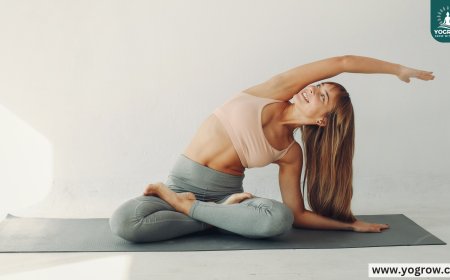




The Surprising Connection Between Yoga and Nervous System Health
Discover the connection between yoga and nervous system health. Learn key benefits, science-backed insights, and simple steps to restore balance naturally.


In today’s fast-paced world, understanding the connection between yoga and nervous system health has never been more important. Chronic stress, digital overload, and constant multitasking keep our bodies in a near-permanent state of alert. Over time, this can disrupt the delicate balance of our nervous system, affecting everything from sleep and digestion to mood and immunity.
Yoga offers more than flexibility or strength—it provides a structured, science-supported way to regulate the nervous system. By combining breathwork, mindful movement, and meditation, yoga directly influences how our body responds to stress and recovery. Let’s explore how this ancient practice supports modern nervous system health and why it matters for your overall well-being.
Benefits of Yoga for Nervous System Health
1. Activates the Parasympathetic “Rest and Digest” Response
Our nervous system has two main branches: the sympathetic (fight-or-flight) and the parasympathetic (rest-and-digest). When stress becomes chronic, the sympathetic system can stay overactive, leading to fatigue, irritability, and burnout.
Yoga helps stimulate the parasympathetic response through slow breathing, gentle movement, and relaxation techniques. According to research highlighted by Harvard Health on yoga for better mental health, yoga can reduce stress hormones and promote relaxation, supporting improved mental and emotional well-being.
By regularly practicing yoga, the body learns to shift more easily into recovery mode, improving resilience over time.


2. Reduces Stress and Cortisol Levels
Stress is one of the biggest disruptors of nervous system balance. Elevated cortisol levels can interfere with sleep, digestion, immune function, and emotional regulation.
Yoga integrates mindful breathing (pranayama) and meditative awareness, which signal safety to the brain. This lowers stress hormone production and helps regulate the hypothalamic-pituitary-adrenal (HPA) axis.
If you’re looking for simple methods to manage stress naturally, explore these 7 yoga techniques to balance your nervous system naturally. These techniques are designed specifically to calm the body and restore equilibrium.
3. Improves Vagal Tone and Emotional Regulation
The vagus nerve plays a crucial role in connecting the brain to the body. It influences heart rate, digestion, and emotional processing. Strong vagal tone is associated with better emotional resilience and quicker recovery from stress.
Yoga practices such as deep diaphragmatic breathing, chanting, and slow, mindful movements stimulate the vagus nerve. According to insights shared in Yoga International’s explanation of how yoga affects our nervous system, yoga enhances communication between the brain and body, improving overall nervous system function.
Over time, this can lead to improved emotional stability, better mood regulation, and enhanced mental clarity.
4. Supports Better Sleep and Recovery
A dysregulated nervous system often shows up as sleep disturbances—difficulty falling asleep, frequent waking, or non-restorative rest.


Yoga encourages relaxation before bedtime by lowering heart rate and calming mental chatter. Restorative poses and gentle stretches help release physical tension stored in the body. When practiced consistently, yoga can support deeper, more restorative sleep cycles.
Better sleep strengthens the nervous system’s ability to repair itself, improving energy levels and cognitive performance during the day.
5. Enhances Mind-Body Awareness
One of yoga’s most powerful tools is interoception—the awareness of internal bodily sensations. Many people operate on autopilot, ignoring early signs of stress or exhaustion.
Through mindful practice, yoga teaches you to notice subtle cues such as shallow breathing, muscle tension, or emotional shifts. This awareness allows you to respond proactively instead of reacting impulsively.
By strengthening the mind-body connection, yoga empowers you to regulate your nervous system more effectively in everyday life.
Practical Steps to Support Nervous System Health Through Yoga
If you’re ready to experience the benefits of yoga for nervous system health, here’s a simple, structured approach you can follow:
Step 1: Begin with Breath Awareness (5 Minutes)
Sit comfortably and focus on slow, deep breathing. Inhale through your nose for four counts, exhale for six counts. Longer exhalations stimulate the parasympathetic response. This simple breathing pattern can immediately calm your system.
Step 2: Practice Gentle, Slow Movements
Choose slow-flow or restorative yoga poses such as:
-
Child’s Pose
-
Cat-Cow
-
Seated Forward Fold
-
Legs-Up-the-Wall
Move intentionally, syncing breath with movement. Avoid rushing. The goal is regulation—not intensity.
Step 3: Incorporate Guided Relaxation or Meditation
End your session with 5–10 minutes of relaxation (Savasana) or a body scan meditation. This reinforces the nervous system’s relaxation response. As described in the article from Yoga International, relaxation practices deepen the calming effects of yoga by improving neural regulation and recovery patterns.
Step 4: Create a Consistent Routine
Consistency is more important than duration. Even 15–20 minutes daily can significantly impact nervous system balance. Set a realistic schedule—morning sessions to start your day calmly or evening sessions to unwind before sleep.
Step 5: Apply Yoga Principles Beyond the Mat
Yoga is not limited to poses. You can regulate your nervous system during daily life by:
-
Pausing for slow breaths before stressful conversations
-
Taking short movement breaks during work
-
Practicing gratitude or mindfulness in everyday tasks
Small lifestyle shifts amplify the benefits of your practice.
The connection between yoga and nervous system health is both ancient and scientifically supported. By activating the parasympathetic response, reducing stress hormones, improving vagal tone, and enhancing mind-body awareness, yoga offers a comprehensive pathway to resilience and balance. In a world filled with constant stimulation, yoga provides a structured method to slow down and restore internal harmony. Whether you’re managing stress, improving sleep, or simply seeking better emotional regulation, yoga can serve as a powerful tool for long-term nervous system support.
If you’re ready to build sustainable habits, explore Yoga for Everyday Wellness: Small Habits, Life-Changing Results for practical guidance you can start today.
Begin your journey toward balance—subscribe to our newsletter, book a yoga session, or share your experience in the comments. Your nervous system will thank you.
What's Your Reaction?
 Like
0
Like
0
 Dislike
0
Dislike
0
 Love
0
Love
0
 Funny
0
Funny
0
 Angry
0
Angry
0
 Sad
0
Sad
0
 Wow
0
Wow
0