
7 Yoga Techniques to Balance Your Nervous System Naturally
Discover how yoga for nervous system regulation reduces stress, calms anxiety, and builds resilience using science-backed practices and gentle yoga tools.

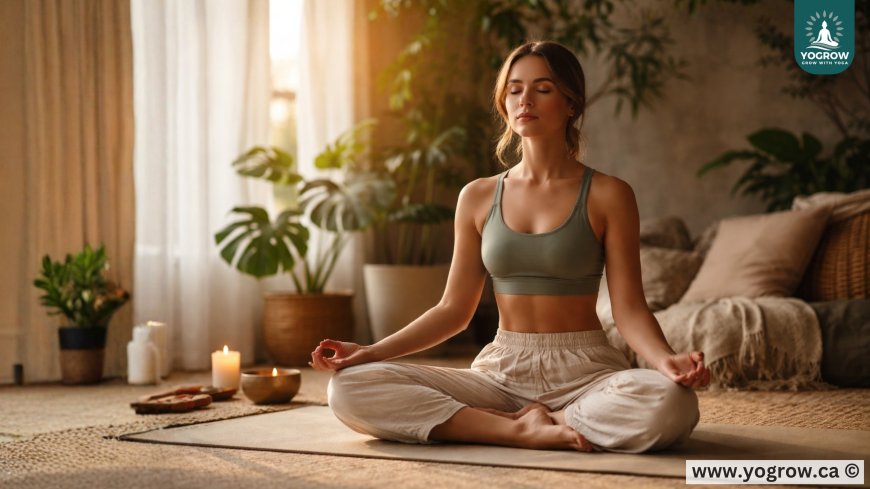
Yoga for nervous system regulation is more than a wellness trend—it’s a science-backed approach to managing stress, anxiety, and emotional overwhelm in today’s fast-paced world. Modern life keeps many of us stuck in a constant state of urgency, leaving our nervous systems overstimulated and exhausted. From work pressure and digital overload to emotional stress and unresolved trauma, our bodies are often operating in survival mode without adequate recovery.
Yoga offers practical tools that help us move fluidly between the sympathetic (fight-or-flight) and parasympathetic (rest-and-restore) states. By using mindful movement, breathwork, and body awareness, yoga helps create a sense of safety within the body—allowing the nervous system to reset, rebalance, and build long-term resilience.
Benefits of Yoga for Nervous System Regulation
1. Reduces Chronic Stress and Sympathetic Overactivation
The sympathetic nervous system plays a critical role in survival by preparing the body to respond to danger. However, when this system remains constantly activated due to chronic stress, the body never receives the signal to rest. Over time, this can lead to muscle tension, headaches, digestive issues, fatigue, anxiety, and burnout.
Yoga helps interrupt this stress cycle by encouraging slower movements, conscious breathing, and present-moment awareness. These practices send calming signals to the brain, helping shift the body out of fight-or-flight mode. According to Yoga Journal’s expert guide on yoga for anxiety, gentle yoga poses combined with breath awareness can significantly reduce cortisol levels and activate the parasympathetic nervous system, allowing the body to recover naturally.
For those experiencing daily stress or anxiety symptoms, restorative and slow-flow yoga can be especially effective. You can explore supportive poses for calming the mind in this internal resource:
Yoga for anxiety relief with simple calming poses .

2. Improves Emotional Regulation and Resilience
Emotional regulation depends heavily on how flexible and balanced our nervous system is. When the nervous system is dysregulated, even minor stressors—such as a difficult conversation or an unexpected email—can trigger an intense emotional reaction.
Yoga teaches the body how to stay present with sensations instead of reacting automatically. Through slow transitions, somatic movements, and mindful pauses, practitioners learn to tolerate discomfort without panic. Over time, this builds emotional resilience, allowing individuals to respond thoughtfully rather than react impulsively.
Research and somatic therapy principles highlight that movement combined with breath helps process stored emotional tension. As explained by nervous system educator Rachel Marie, yoga practices designed for nervous system regulation help retrain the brain to recognize safety, making it easier to move out of emotional shutdown or hyperarousal states. This mind-body connection is essential for long-term emotional balance.
3. Enhances Body Awareness and Sense of Safety
One of the most powerful benefits of yoga for nervous system regulation is its ability to improve interoception—the awareness of internal bodily sensations. When we become more attuned to our breath, muscles, and heartbeat, we can detect stress responses earlier and respond with care instead of pushing through discomfort.
Yoga practices such as self-touch, grounding poses, and slow stretching activate sensory pathways that communicate safety to the brain. When the brain perceives safety, it reduces the need for defensive responses like muscle guarding or shallow breathing.
This process is especially beneficial for individuals dealing with chronic pain, trauma, or prolonged stress. Gentle yoga creates a non-threatening environment where the nervous system can soften, rebuild trust, and restore balance gradually.
4. Supports Mental Clarity and Focus
A dysregulated nervous system often leads to brain fog, racing thoughts, and difficulty concentrating. This happens because the brain is prioritizing survival over higher cognitive functions. Yoga helps reverse this by calming the nervous system and improving oxygen flow through deep, intentional breathing.


Breathwork practices such as diaphragmatic breathing, extended exhales, and slow nasal breathing stimulate the vagus nerve—an essential component of the parasympathetic nervous system. When the vagus nerve is activated, heart rate slows, blood pressure stabilizes, and mental clarity improves.
Regular yoga practice helps the mind shift from constant alertness to calm awareness. This allows for improved focus, better decision-making, and a stronger sense of presence in everyday activities.
5. Promotes Deep Rest and Better Sleep
Sleep disturbances are often a sign that the nervous system is stuck in a heightened state of arousal. Even when physically exhausted, the body may struggle to relax enough to fall or stay asleep. Yoga for nervous system regulation encourages deep relaxation by lowering heart rate, slowing breathing, and reducing muscular tension. Practices like restorative yoga, legs-up-the-wall pose, and guided body scans help signal the body that it is safe to rest. Over time, consistent yoga practice can improve sleep quality, reduce nighttime anxiety, and support natural circadian rhythms. This restorative effect enhances overall physical and mental well-being.
Practical Steps to Regulate Your Nervous System with Yoga
Step 1: Begin with Breath Awareness
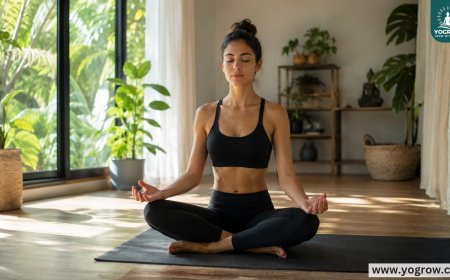
Start every yoga session by observing your breath without trying to change it. Notice whether it is shallow or deep, fast or slow. Simply bringing awareness to your breathing helps calm the nervous system and anchor you in the present moment.
Once comfortable, gently lengthen your exhale. Longer exhales stimulate the parasympathetic nervous system and reduce stress signals in the brain.
Step 2: Choose Slow, Grounding Movements
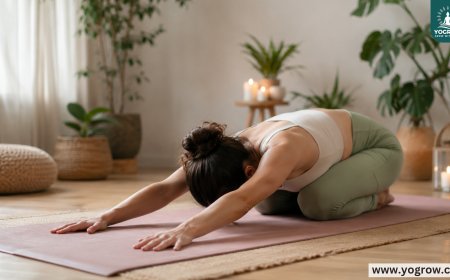
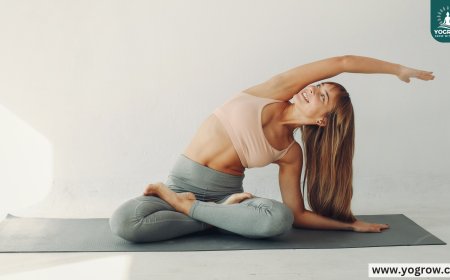
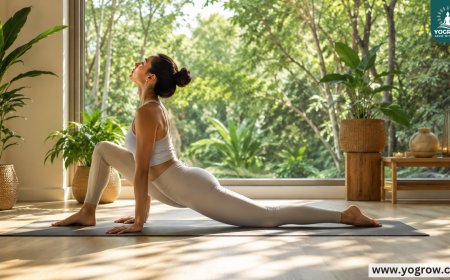
Avoid fast-paced or overly intense flows when your goal is nervous system regulation. Instead, focus on slow transitions and grounding poses such as child’s pose, seated forward folds, and gentle spinal movements.
Somatic movements—small, controlled motions guided by sensation—are especially effective in releasing stored tension and communicating safety to the nervous system.
Step 3: Incorporate Self-Touch and Sensory Input
Placing a hand on your chest or belly during yoga can enhance feelings of comfort and grounding. Light pressure stimulates sensory receptors that calm the nervous system and reduce emotional overwhelm.
Using props such as blankets, bolsters, or blocks can also increase feelings of support and relaxation during poses.
Step 4: Practice Affirmations or Mantras
Positive affirmations help counteract fear-based thoughts that activate the sympathetic nervous system. Simple phrases like “I am safe” or “I can slow down” reinforce a sense of security.
Repeating a mantra during movement or rest helps focus the mind and regulate emotional responses. This mental practice complements physical yoga techniques for holistic nervous system balance.
Step 5: End with Restorative Stillness
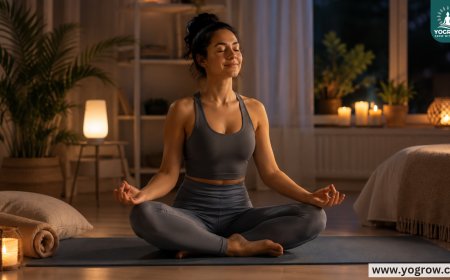
Always conclude your practice with a period of stillness, such as savasana or a guided relaxation. This allows the nervous system to integrate the benefits of movement and fully shift into rest-and-restore mode. According to Yoga with Rachel Marie’s nervous system regulation approach, consistent exposure to deep rest helps retrain the brain to recognize calm states as safe and accessible.
Yoga for nervous system regulation offers a powerful, accessible way to manage stress, anxiety, and emotional imbalance in daily life. By supporting healthy transitions between the sympathetic and parasympathetic states, yoga helps restore resilience, clarity, and a deep sense of inner calm. Through breathwork, mindful movement, self-touch, and intentional rest, yoga communicates safety to the brain and body—allowing true healing to unfold. Emotional release, mental clarity, and physical relaxation are natural outcomes of a well-regulated nervous system.
If you’d like to continue exploring gentle, science-backed yoga practices, read our in-depth guide on how Yogrow’s gentle yoga heals your body and mind naturally .
Ready to feel calmer and more grounded? Explore our yoga sessions, subscribe to our blog, or leave a comment to share your experience with nervous system regulation through yoga.
What's Your Reaction?
 Like
0
Like
0
 Dislike
0
Dislike
0
 Love
0
Love
0
 Funny
0
Funny
0
 Angry
0
Angry
0
 Sad
0
Sad
0
 Wow
0
Wow
0