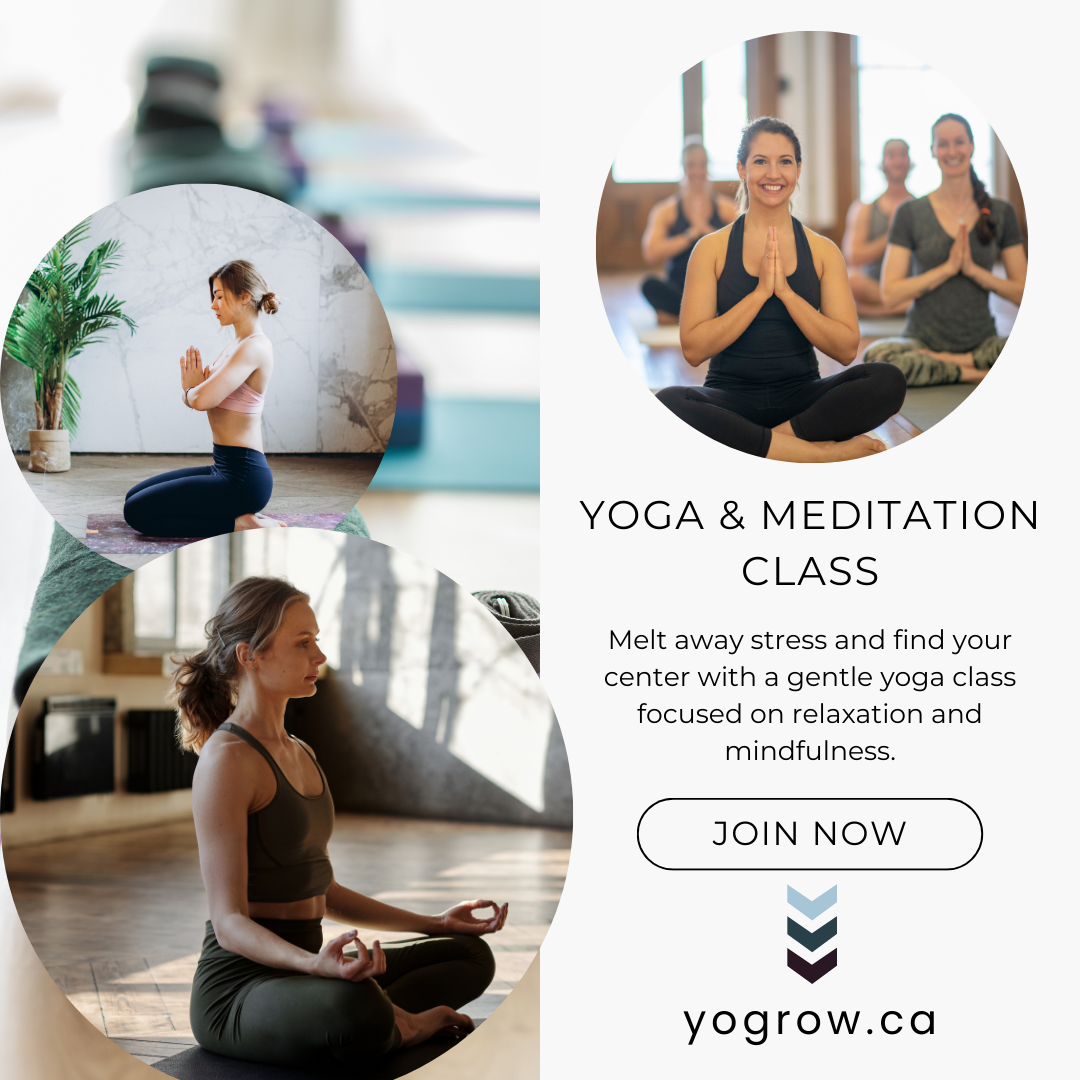





Yoga for Everyday Wellness: Small Habits, Life-Changing Results
Discover how yoga for everyday wellness improves flexibility, reduces stress, boosts immunity, and supports mental health with simple daily practices.


Yoga for everyday wellness is more than a fitness trend—it’s a timeless practice that connects the mind, body, and breath. The word “yoga” comes from the Sanskrit root “yuj,” meaning “to yoke” or “to bind,” symbolizing unity and connection. Originating in Ancient India, yoga was developed as a spiritual and physical discipline to strengthen awareness and harmony within.
Today, as modern life becomes increasingly stressful and sedentary, yoga offers small, sustainable practices that create big, lasting benefits. Scientific research continues to validate what practitioners have known for centuries: yoga enhances physical health, emotional balance, and overall well-being.
Benefits of Yoga for Everyday Wellness
1. Improves Flexibility, Balance, and Strength
One of the most noticeable benefits of yoga is improved flexibility and balance. Regular stretching lengthens muscles, increases joint mobility, and reduces stiffness—especially important as we age. Research shows that yoga can slow flexibility loss in adults over 65, making it an excellent long-term wellness practice.
Beyond flexibility, many yoga styles build muscular strength. Holding poses like Plank or Warrior engages both upper and lower body muscles, offering a full-body workout. According to experts at Johns Hopkins Medicine, yoga improves balance, strength, and coordination, reducing the risk of falls and injuries.
If posture is a concern due to long hours at a desk, try incorporating this 10-minute daily yoga flow to instantly improve your posture to realign your spine and strengthen core muscles.


2. Reduces Stress and Supports Mental Health
More than 80% of adults report experiencing prolonged stress. Chronic stress can weaken immunity, disrupt sleep, and increase anxiety. Yoga addresses stress holistically through movement, breathwork (pranayama), and meditation.
Studies summarized by World Health Organization highlight the growing need for non-pharmaceutical mental health support. A 2023 review of yoga-based treatments found significant reductions in depressive symptoms and anxiety.
Practices like Yoga Nidra (guided relaxation) and mindful breathing calm the nervous system, shifting the body from “fight-or-flight” to “rest-and-digest.” Even 10–15 minutes of slow breathing daily can noticeably improve mood and emotional stability.
For a deeper look at yoga’s science-backed benefits, explore this comprehensive guide on the 13 benefits of yoga from Healthline.
3. Enhances Cardiovascular Health and Immunity
Pranayama, or yogic breathing, plays a vital role in cardiovascular wellness. Controlled breathing regulates heart rate, improves oxygen circulation, and lowers blood pressure. A large review of studies suggests that mindful breathing positively influences the heart, brain, and lungs.
Chronic stress contributes to inflammation, which weakens the immune system. Because yoga reduces stress hormones and promotes relaxation, it may indirectly strengthen immune response. Long-term practitioners often report fewer illnesses and improved recovery times.
According to Johns Hopkins Medicine, yoga can support heart health by lowering stress and improving circulation—both essential for longevity.


4. Improves Sleep Quality and Energy Levels
Struggling to fall asleep or stay asleep? Yoga may help. Insomnia affects millions of adults, often linked to anxiety and overactive thinking. Gentle evening yoga calms the mind, relaxes muscles, and prepares the body for deep rest.
Research indicates that yoga improves both sleep onset (how quickly you fall asleep) and sleep duration. The combination of physical activity and relaxation techniques creates long-lasting improvements in sleep patterns.
Better sleep naturally leads to improved focus, stronger immunity, and balanced hormones—making yoga a powerful daily reset for body and mind.
5. Boosts Self-Esteem, Body Awareness, and Prevents Burnout
In a digital world where posture suffers and self-image pressures increase, yoga reconnects you with your body. A 2020 research review found improvements in interoception—the awareness of internal bodily sensations—among yoga practitioners.
This heightened awareness promotes better posture, healthier lifestyle choices, and emotional resilience. Yoga has also shown promise in reducing burnout, especially among healthcare workers during high-stress periods like the COVID-19 pandemic.
By encouraging mindful movement and self-compassion, yoga nurtures confidence and body positivity across age groups.
Practical Steps to Practice Yoga for Everyday Wellness
Starting yoga doesn’t require expensive equipment or advanced flexibility. Small, consistent actions bring meaningful results.
Step 1: Begin with 10–15 Minutes Daily
Consistency matters more than intensity. Choose a short morning or evening routine and stick to it. Even gentle stretching improves circulation and mental clarity.
Step 2: Focus on Breath First
Practice simple diaphragmatic breathing for five minutes. Inhale slowly for four counts, exhale for six. Controlled breathing regulates the nervous system and supports heart health.
Step 3: Mix Strength and Flexibility
Include poses like:
-
Downward Dog (full-body stretch)
-
Warrior II (lower body strength)
-
Tree Pose (balance and focus)
-
Child’s Pose (relaxation)
Yoga alone is powerful, but according to the Physical Activity Guidelines for Americans, combining yoga with resistance and cardiovascular training creates a well-rounded fitness routine.
Step 4: Use Guided Resources
If you’re new to yoga, start with beginner-friendly classes or online programs. Structured guidance helps prevent injury and builds confidence.
Step 5: Listen to Your Body
Yoga is not about perfection—it’s about awareness. Modify poses when needed and avoid pushing into pain. Over time, your body naturally becomes stronger and more flexible.
Frequently Asked Questions
Can yoga reduce belly fat?
Yoga contributes to overall calorie burn and stress reduction, both of which support weight management. However, sustainable fat loss requires a calorie deficit and balanced nutrition. Yoga works best alongside healthy eating and regular movement.
Is yoga alone enough exercise?
Yoga improves flexibility, balance, strength, and mental well-being. However, for optimal physical health, it’s recommended to combine yoga with cardio and resistance training for a comprehensive fitness plan.
Yoga for everyday wellness proves that small, consistent practices create big, transformative benefits. From improved flexibility and heart health to better sleep and reduced stress, yoga supports both physical and emotional resilience.
If you’re ready to experience deeper healing, explore how Yogrow’s gentle yoga heals your body and mind naturally and discover practices designed specifically for sustainable wellness.
Start today. Roll out your mat. Take one deep breath. Your journey toward balanced living begins with a single, mindful step.
Want more wellness insights? Subscribe to our newsletter, explore our blog, or book a yoga session with Yogrow today.
What's Your Reaction?
 Like
0
Like
0
 Dislike
0
Dislike
0
 Love
0
Love
0
 Funny
0
Funny
0
 Angry
0
Angry
0
 Sad
0
Sad
0
 Wow
0
Wow
0