
Restorative Yoga for Deep Relaxation: Benefits That Go Beyond the Mat
Discover powerful restorative yoga benefits for stress relief, recovery, hormonal balance, and nervous system healing. Learn poses, steps, and tips.

In modern life, stress has become a constant companion. Long work hours, digital overload, emotional pressure, and lack of rest often leave the nervous system overwhelmed and the body exhausted. Chronic stress doesn’t just affect mental clarity—it can lead to anxiety, insomnia, hormonal imbalance, digestive issues, and a weakened immune system.
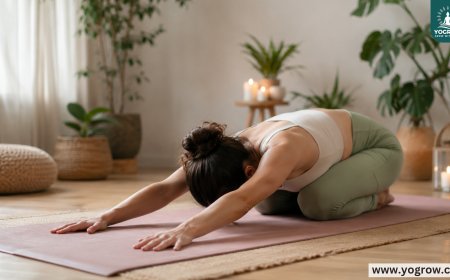
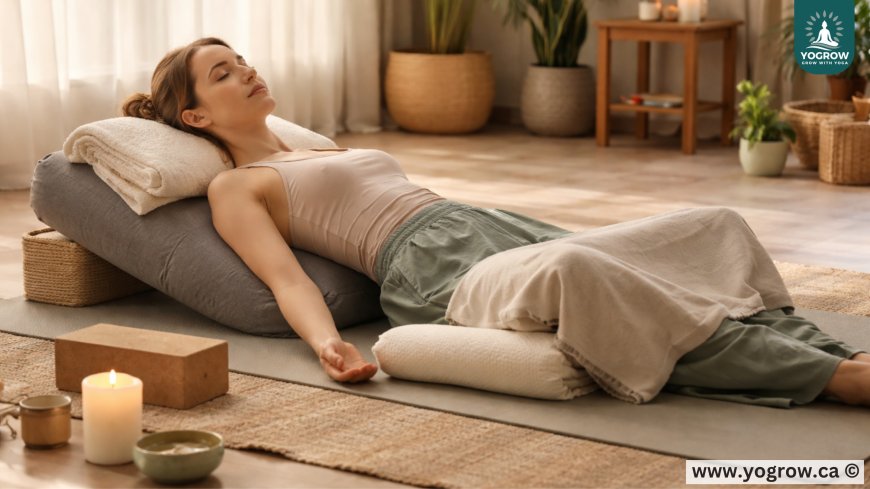
This is where restorative yoga benefits truly shine. Unlike fast-paced or physically demanding yoga styles, Restorative Yoga focuses on deep rest, nervous system regulation, and complete relaxation. Through supported, long-held poses, this gentle practice gives your body permission to slow down, heal, and recover.
If you’re seeking profound relaxation, emotional balance, and physical restoration, this guide explores what Restorative Yoga is, how to practice it effectively, and why it is one of the most powerful tools for recovery in today’s high-stress world.
Benefits of Restorative Yoga
Restorative Yoga is designed to guide the body into a deeply relaxed, parasympathetic state—often referred to as the “rest and digest” mode. By holding supported poses for extended periods, the body has time to release tension, regulate internal systems, and restore balance naturally.
1. Deep Nervous System Regulation
One of the most important restorative yoga benefits is its ability to calm the nervous system. Chronic stress keeps the body stuck in a sympathetic “fight-or-flight” state, which over time leads to burnout and illness.

Restorative Yoga gently shifts the body toward parasympathetic activation, allowing healing processes to begin. Supported poses, slow breathing, and stillness help regulate heart rate, blood pressure, and cortisol levels.
For additional tools that support this process, explore natural yoga techniques to balance your nervous system.
Research-backed explanations of this effect are also discussed in this in-depth article on unlocking the body’s healing power through restorative yoga .
2. Reduces Stress, Anxiety, and Mental Fatigue
Mental exhaustion is one of the most common side effects of modern living. Restorative Yoga creates space for the mind to slow down by removing physical effort entirely. Since poses are fully supported, there is nothing to “do” or “achieve.”
This practice helps quiet the “monkey mind” described in yogic philosophy—where thoughts constantly jump from one concern to another. With time, practitioners notice improved focus, emotional stability, and reduced anxiety symptoms.
As Brené Brown beautifully said: “It takes courage to say yes to rest and play in a culture where exhaustion is seen as a status symbol.”
3. Supports Hormonal Balance and Women’s Health
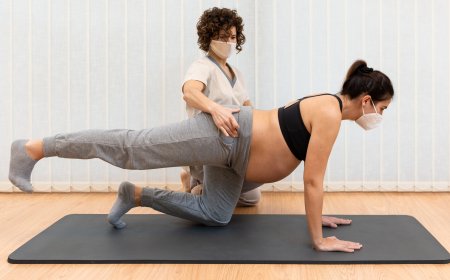
Restorative Yoga is especially beneficial for hormonal regulation, particularly for women experiencing menstruation, pregnancy transitions, menopause, or conditions like endometriosis.


By reducing cortisol (the stress hormone), the endocrine system is able to function more efficiently. Supported poses targeting the pelvis and abdomen help stimulate circulation and ease discomfort without strain.
Many therapeutic yoga programs now integrate Restorative Yoga alongside medical treatment to support pain management, emotional resilience, and hormonal balance—making it a powerful complementary practice.
4. Improves Digestion and Internal Organ Function
Stress directly impacts digestion by diverting energy away from the gut. One of the often-overlooked restorative yoga benefits is improved digestive health.
When the body relaxes deeply:
-
Nutrient absorption improves
-
Bloating and indigestion reduce
-
Gut motility normalizes
Gentle twists, supported backbends, and reclining poses stimulate digestive organs without activating stress responses, making this practice ideal for anyone dealing with digestive discomfort.
5. Enhances Recovery, Healing, and Sleep Quality
Restorative Yoga is a powerful recovery tool for:
-
People healing from injury
-
Individuals experiencing chronic fatigue
-
Athletes and yoga teachers
-
Anyone struggling with insomnia
Long-held poses allow muscles, fascia, and joints to soften completely. This improves circulation and tissue regeneration while calming the mind—often leading to deeper, more restorative sleep.
How to Practice Restorative Yoga: Step-by-Step Guide
Restorative Yoga is less about movement and more about allowing. Below is a practical, accessible way to build a safe and effective practice at home or in class.
1. Wind Down and Prepare
Begin by transitioning out of your busy day. Lie in Shavasana (Corpse Pose) for:
-
15 minutes for a 1-hour session
-
5 minutes for shorter practices
Create a warm, quiet environment with soft lighting. Support your head and allow your feet and arms to relax naturally.
2. Set a Clear Intention
Your intention shapes the focus of your practice. Ask yourself what your body and mind need today:
-
Stress relief
-
Better sleep
-
Hormonal balance
-
Emotional grounding
Each Restorative Yoga session should serve one primary goal, rather than trying to cover everything.
3. Gather and Use Props
Props are essential for full relaxation. You don’t need expensive equipment:
-
Couch cushions or folded blankets = bolsters
-
Books = yoga blocks
-
Towels = neck or knee support
-
Scarves or belts = straps
The goal is to eliminate muscular effort completely.
4. Move Slowly and Mindfully
Transitions are just as important as the poses themselves:
-
Take 1–2 minutes to settle into each posture
-
Adjust supports until you feel fully comfortable
-
Use slow, steady breathing
This mindful movement keeps the nervous system calm and receptive.
5. Practice Letting Go
Stillness can feel uncomfortable at first. If thoughts arise:
-
Acknowledge them gently
-
Return attention to the breath
-
Scan the body and soften tension
Remember, doing nothing is doing something very powerful.
6. Final Relaxation
End your session with at least 10 minutes of supported rest. Allow the body to absorb the benefits before slowly returning to a seated position.
For a deeper dive into technique and variations, this guide on how to do restorative yoga and its complete benefits offers excellent practical insights.
Best Restorative Yoga Poses for Stress Relief
Bridge Pose (Setu Bandha Sarvangasana)
Hold: 5–15 minutes
Benefits:
-
Releases lower back tension
-
Calms the brain and heart
-
Improves digestion and circulation
-
Relieves fatigue and insomnia
Avoid if: You have severe spinal issues, uncontrolled high blood pressure, or advanced pregnancy.
Legs-Up-the-Wall (Viparita Karani)
Hold: 5–15 minutes
Benefits:
-
Reduces anxiety and fatigue
-
Supports circulation
-
Helps with migraines and menstrual discomfort
Avoid if: You have eye conditions, heart issues, or severe hypertension.
Reclining Bound Angle Pose (Supta Baddha Konasana)
Hold: 10–15 minutes
Benefits:
-
Supports hormonal balance
-
Relieves lower back and pelvic tension
-
Improves digestion
Avoid if: You experience discomfort despite adjusting support.
How Often Should You Practice Restorative Yoga?
Restorative Yoga can be practiced daily, but even 1–2 sessions per week offer noticeable benefits. If time feels limited, try this habit-building approach:
-
Week 1: 5 minutes of breathing
-
Week 2: Add one restorative pose
-
Week 3: 10 minutes of practice + journaling
Within 21 days, rest becomes a sustainable self-care habit.
Who Can Benefit from Restorative Yoga?
Restorative Yoga is accessible to everyone:
-
Beginners
-
Seniors
-
Pregnant individuals (with guidance)
-
Yoga teachers
-
People recovering from illness or burnout
The adaptability of props ensures that each body can experience deep rest safely.
Restorative Yoga teaches us that rest is not laziness—it is essential medicine. Through stillness, support, and mindful breathing, the body remembers how to heal itself. With regular practice, stress softens, sleep improves, and emotional balance returns.
If you’re ready to explore deeper healing through mindful movement and breath, continue your journey with rest, breath, and movement-based yoga practices on Yogrow.ca.
Ready to restore?
Book a session, explore more blogs, or share your experience in the comments—we’d love to hear how Restorative Yoga supports your well-being.
What's Your Reaction?
 Like
0
Like
0
 Dislike
0
Dislike
0
 Love
0
Love
0
 Funny
0
Funny
0
 Angry
0
Angry
0
 Sad
0
Sad
0
 Wow
0
Wow
0