
Slow Yoga for PCOS: Gentle Practices to Balance Hormones Naturally
Discover how slow and supportive yoga can improve PCOS wellness, hormonal balance, stress relief, and fertility naturally.


Polycystic Ovary Syndrome (PCOS) is a complex hormonal condition that affects millions of women worldwide. While medical interventions are common, many women are turning to natural approaches, such as yoga, to manage their symptoms. Slow and supportive yoga can be a transformative tool for PCOS wellness, offering both physical and emotional relief. This holistic approach focuses on gentle movements, breathwork, and mindfulness, making it suitable for women of all ages and fitness levels.
By incorporating yoga into your daily routine, you can address PCOS from multiple angles—reducing stress, improving hormonal balance, and enhancing overall well-being. In this article, we’ll explore the benefits of slow and supportive yoga for PCOS, practical steps to integrate it into your life, and resources to deepen your practice.
Benefits of Slow and Supportive Yoga for PCOS
Practicing slow and supportive yoga can provide a range of benefits specifically tailored to the unique challenges of PCOS. Here are some key advantages:
1. Hormonal Balance and Endocrine Support
One of the core issues in PCOS is hormonal imbalance, including elevated androgens and insulin resistance. Gentle yoga postures and mindful breathing techniques help regulate the endocrine system by stimulating the thyroid, adrenal glands, and ovaries.
A study highlighted by Healthline emphasizes that regular yoga practice can improve menstrual regularity and reduce hormone-related symptoms. By encouraging relaxation and blood flow to the pelvic region, slow yoga helps the body naturally restore balance. For a deeper dive into how yoga supports hormonal health, check out our blog on Yoga for PCOS and Hormonal Health: A Natural Path to Long-Term Relief.

2. Stress Reduction and Mind-Body Connection
Stress can exacerbate PCOS symptoms, including irregular periods, weight gain, and mood swings. Slow, restorative yoga focuses on calming the nervous system through mindful breathing (pranayama) and gentle stretches, helping reduce cortisol levels.
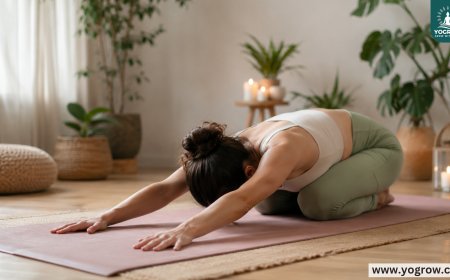
Techniques like supported forward folds, reclining poses, and deep breathing exercises foster a mind-body connection, making it easier for women to manage stress triggers and emotional fluctuations. According to My Yoga Teacher, consistent yoga practice can significantly reduce anxiety and improve overall mental health, which is critical for managing PCOS effectively.
3. Weight Management and Metabolic Benefits
Many women with PCOS struggle with weight gain and insulin resistance. While high-intensity exercise can be challenging for some, slow yoga offers a gentle yet effective way to support metabolism and improve insulin sensitivity.
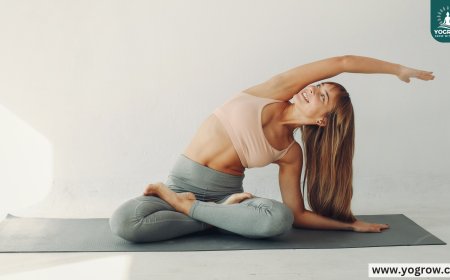
Poses that engage the core, hips, and lower abdomen—like supported bridge pose, seated twists, and gentle hip openers—can stimulate digestion, circulation, and endocrine function. These practices complement lifestyle and dietary interventions, helping women maintain a healthy weight while reducing the risk of metabolic complications. Explore more tips on managing PCOS through yoga in our guide on Manage PCOS Symptoms: Yoga Tips for Hormonal and Insulin Balance.
4. Enhanced Fertility and Reproductive Health
For women seeking fertility support, slow and supportive yoga can be particularly beneficial. Gentle postures increase blood flow to the reproductive organs, support ovarian function, and create a nurturing environment for hormonal regulation.
In addition, meditative practices within yoga help reduce the stress that can negatively impact ovulation and fertility cycles. Research referenced by Healthline indicates that integrating yoga with conventional treatments may improve reproductive outcomes for women with PCOS.
5. Emotional Well-Being and Self-Empowerment
PCOS often affects emotional health due to fluctuating hormones and chronic stress. Slow yoga encourages mindfulness, self-reflection, and emotional resilience. Practices such as guided meditation, deep diaphragmatic breathing, and supported poses help women connect with their bodies, promoting self-awareness and confidence.


By regularly practicing yoga, women with PCOS can cultivate a sense of empowerment, reduce feelings of frustration or helplessness, and foster long-term emotional balance.
Practical Steps to Integrate Slow Yoga into Your PCOS Wellness Routine
Implementing yoga into daily life doesn’t have to be complicated. Here’s a step-by-step guide to get started:
Step 1: Create a Calm and Supportive Space
Choose a quiet, comfortable area for your practice. Use props like bolsters, blankets, and blocks to support your body and enhance relaxation. A dedicated space helps reinforce consistency and creates a calming atmosphere conducive to mindfulness.
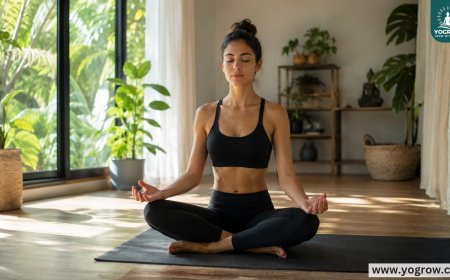
Step 2: Focus on Breathwork and Mindfulness
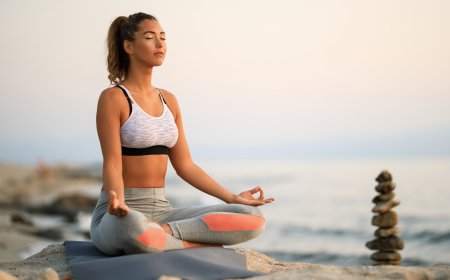
Begin each session with deep, slow breathing exercises (pranayama). Techniques such as alternate nostril breathing (Nadi Shodhana) or diaphragmatic breathing calm the nervous system and prepare your body for gentle movements. Mindful breathing is especially effective for reducing stress-related PCOS symptoms.
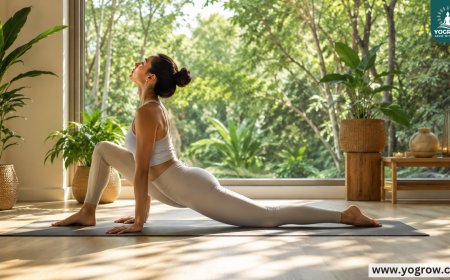
Step 3: Incorporate Gentle, Supportive Poses
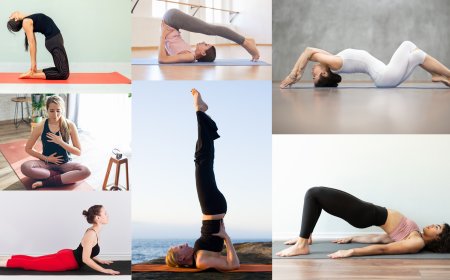
Choose slow, restorative poses that target the pelvic region, lower abdomen, and core. Recommended poses include:
-
Supported Bridge Pose (Setu Bandha Sarvangasana)
-
Reclining Bound Angle Pose (Supta Baddha Konasana)
-
Seated Forward Fold (Paschimottanasana)
-
Cat-Cow Stretch (Marjaryasana-Bitilasana)
Hold each pose for 3–5 minutes, using props as needed for support. The goal is to stimulate blood flow and endocrine function without straining the body.
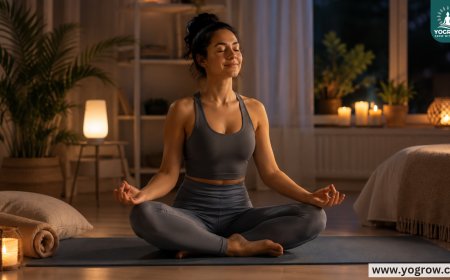
Step 4: End with Meditation or Relaxation
Conclude each session with 5–10 minutes of meditation or a supine relaxation pose (Savasana) with support under the knees or back. Visualization techniques, such as imagining balanced hormones or healthy cycles, can enhance mental clarity and emotional well-being.
For practical guidance, refer to My Yoga Teacher’s article on yoga for women with PCOS for pose modifications and sequencing tips suitable for beginners and advanced practitioners alike.
Step 5: Maintain Consistency and Track Progress
Consistency is key. Aim for 3–5 sessions per week, even if they are short 15–20 minute practices. Track improvements in menstrual regularity, stress levels, and overall energy to monitor progress. Gradually increase the intensity and duration as your body adapts to the practice.
Slow and supportive yoga is a gentle yet powerful way to manage PCOS symptoms and support overall wellness. From hormonal balance and stress reduction to improved fertility and emotional resilience, this practice offers multiple benefits for women navigating the challenges of PCOS.
To explore more strategies for managing PCOS naturally, visit our guide on Manage PCOS Symptoms: Yoga Tips for Hormonal and Insulin Balance.
Start your journey today—book a session, join our yoga community, or leave a comment sharing your experiences. Every step toward slow, mindful practice brings you closer to holistic PCOS wellness.
What's Your Reaction?
 Like
0
Like
0
 Dislike
0
Dislike
0
 Love
0
Love
0
 Funny
0
Funny
0
 Angry
0
Angry
0
 Sad
0
Sad
0
 Wow
0
Wow
0