
Breathe Better, Move Freely, Rest Deeply: The Yoga Method You Need
Discover the benefits of a complete yoga experience that helps you breathe better, move freely, and restore balance for a calmer, healthier life.

In today’s fast-paced world, stress, fatigue, and mental overload have become part of everyday life. Many people are now turning to yoga not just as exercise, but as a holistic solution for balance and well-being. Breathe, Move, Restore: A Complete Yoga Experience brings together mindful breathing, intentional movement, and deep restoration to support both physical and mental health. This integrated yoga approach is especially relevant today, as more individuals seek sustainable ways to reduce stress, improve focus, and reconnect with their bodies. By combining breath awareness, gentle flow, and relaxation techniques, this complete yoga experience creates space for calm, clarity, and long-term wellness.
Benefits of a Complete Yoga Experience
A complete yoga experience goes beyond physical poses. It creates harmony between the body, breath, and mind, offering benefits that extend into daily life. Below are some of the most impactful benefits of practicing a breathe-move-restore yoga approach.
1. Calms the Nervous System and Reduces Stress
One of the most powerful benefits of a complete yoga experience is its ability to calm the nervous system. Conscious breathing and slow, mindful movement activate the parasympathetic nervous system, helping the body shift out of fight-or-flight mode. This leads to lower stress levels, reduced anxiety, and a deeper sense of emotional balance.
Yoga practices focused on relaxation and gentle flow are especially effective for stress relief. If you’re looking to explore this further, Yogrow’s guide on yoga for inner ease and nervous system relaxation offers valuable insights into how yoga supports mental calm and emotional resilience.
According to experts, mindful movement practices improve focus and mental clarity by grounding attention in the present moment. Research-backed flows, such as those highlighted in Yoga Journal’s yoga for focus and flow, emphasize how intentional sequencing can enhance concentration while reducing mental fatigue.

2. Improves Breathing and Increases Lung Capacity
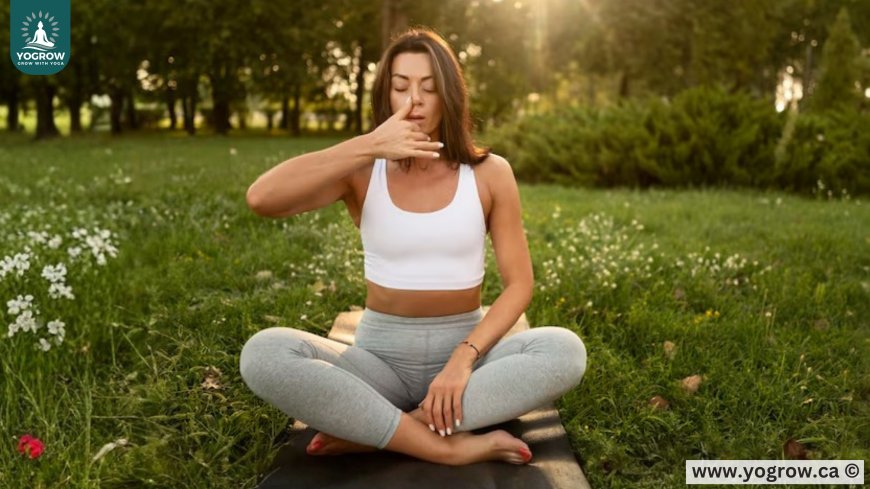
Breath is the foundation of any complete yoga experience. Learning to breathe deeply and consciously improves oxygen flow, boosts energy levels, and supports better posture and circulation. Pranayama techniques teach you how to regulate the breath, which directly influences emotional stability and mental clarity.
Regular breath-focused yoga helps reduce shallow chest breathing caused by stress and encourages diaphragmatic breathing instead. Over time, this can enhance lung capacity and support respiratory health. Yogrow’s detailed resource on yoga for better breathing through pranayama explains how breathing practices can cultivate calm, focus, and inner balance.
By integrating breath with movement, yoga creates a natural rhythm that supports both physical endurance and mental relaxation.
3. Enhances Flexibility, Strength, and Mobility
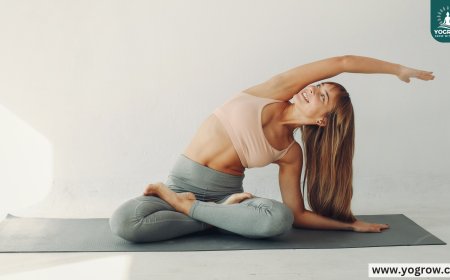
A complete yoga experience balances strength and flexibility without pushing the body into strain. Gentle flows and mindful transitions help lubricate the joints, lengthen muscles, and build functional strength. This makes yoga suitable for all ages and fitness levels.
Unlike high-impact workouts, yoga encourages body awareness and proper alignment. Over time, practitioners notice improved posture, reduced stiffness, and increased ease of movement in daily activities. The focus on mindful flow, similar to the practices discussed in Yoga Journal’s focus-based yoga flows, highlights how movement can be both energizing and grounding.
This balanced approach supports long-term mobility and helps prevent injuries caused by overuse or improper movement patterns.
4. Supports Mental Clarity and Emotional Balance
Mental overload is one of the biggest challenges of modern life. A breathe-move-restore yoga experience creates mental space by slowing down thought patterns and encouraging self-reflection. When breath and movement are synchronized, the mind naturally becomes quieter and more focused.


Mindfulness practices integrated into yoga enhance emotional awareness and resilience. As discussed in this guide on adding mindfulness to your fitness routine, combining movement with mindfulness improves emotional regulation and overall well-being.
This mental clarity often extends beyond the mat, helping practitioners make more intentional decisions and respond calmly to everyday stressors.
5. Promotes Deep Rest and Better Sleep
Restoration is a key pillar of a complete yoga experience. Restorative poses, breath awareness, and guided relaxation help the body release tension stored in muscles and connective tissues. This deep relaxation supports improved sleep quality and faster recovery from physical and mental fatigue.
Practices that emphasize rest teach the nervous system how to fully relax, which is essential for healing and regeneration. Over time, consistent yoga practice can help reduce insomnia, improve sleep cycles, and promote a more refreshed feeling upon waking.
Practical Steps to Experience Breathe, Move, Restore Yoga
Creating a complete yoga experience doesn’t require long hours or advanced poses. By following simple, intentional steps, you can bring balance and mindfulness into your daily routine.
Step 1: Begin with Conscious Breathing
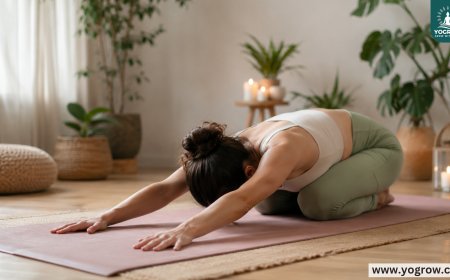
Start each session by focusing on slow, deep breathing. Sit or lie comfortably and observe the natural rhythm of your breath. Gradually lengthen each inhale and exhale, allowing the body to settle and the mind to slow down.
Breath awareness sets the tone for your practice and helps you stay present throughout your movements.
Step 2: Move with Intention and Awareness
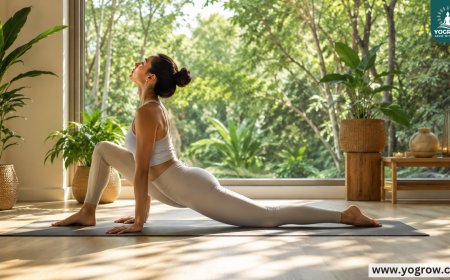
Choose gentle yoga poses that encourage fluid movement rather than force. Focus on transitions rather than holding poses rigidly. Let each movement follow the rhythm of your breath, creating a sense of flow and ease.
This mindful approach improves body awareness and reduces the risk of strain or injury.
Step 3: Integrate Mindfulness into Movement
As you move, bring attention to physical sensations, thoughts, and emotions without judgment. Mindfulness-based movement, as explained in Total Wellness Health’s mindfulness fitness guide, enhances mental clarity and emotional balance. This practice transforms yoga from a physical routine into a holistic mind-body experience.
Step 4: End with Restorative Relaxation
Always allow time for rest at the end of your session. Poses like savasana or supported reclining postures help the nervous system absorb the benefits of practice. Focus on releasing tension and returning to natural breathing. This restoration phase is essential for deep relaxation and long-term wellness.
Step 5: Stay Consistent and Gentle
Consistency matters more than intensity. Even 15–20 minutes of daily yoga can create noticeable improvements in energy, mood, and flexibility. Listen to your body and adjust your practice based on how you feel each day.
A complete yoga experience that focuses on breathing, mindful movement, and restoration offers lasting benefits for both body and mind. By calming the nervous system, improving breath awareness, enhancing mobility, and supporting emotional balance, yoga becomes a powerful tool for everyday well-being. Whether you’re new to yoga or deepening your practice, integrating these elements can transform how you feel on and off the mat.
To continue your journey, explore Yogrow’s in-depth guide on yoga for better breathing and calm through pranayama and discover how conscious breath can elevate your practice.
Subscribe to Yogrow’s blog, book a guided yoga session, or explore more mindful living resources to restore balance in your life today.
What's Your Reaction?
 Like
0
Like
0
 Dislike
0
Dislike
0
 Love
0
Love
0
 Funny
0
Funny
0
 Angry
0
Angry
0
 Sad
0
Sad
0
 Wow
0
Wow
0