
Yoga for Inner Ease: A Simple Way to Relax Your Nervous System
Discover how yoga for inner ease promotes calm, emotional balance, and mental clarity through conscious movement and mindful breathing.

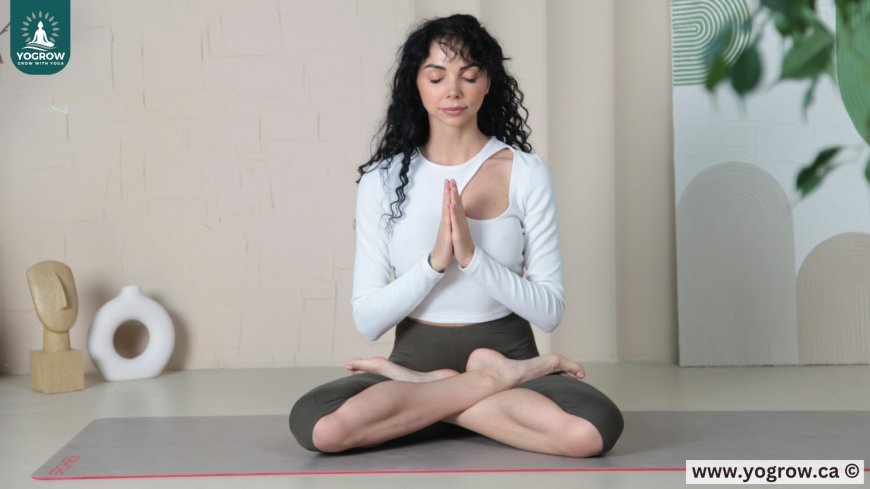
Modern life often keeps the body moving while the mind feels anything but calm. Constant demands, emotional stress, and mental overload make it difficult to feel at ease—both physically and mentally. Yoga for inner ease offers a gentle yet powerful solution, helping individuals reconnect with calm through conscious movement and mindful awareness.
Rather than pushing the body or forcing relaxation, yoga creates inner ease by synchronizing breath, movement, and attention. This practice encourages the nervous system to settle, emotions to soften, and the mind to slow down. In a world that values speed and productivity, yoga for inner ease reminds us that calm, balance, and clarity are cultivated through presence—not pressure.
Benefits of Yoga for Inner Ease
Yoga for inner ease focuses on moving with awareness rather than intensity. This mindful approach offers profound mental, emotional, and physical benefits that support long-term well-being.
1. Encourages Deep Relaxation and Nervous System Balance
One of the most powerful benefits of yoga for inner ease is its ability to calm the nervous system. Conscious movement combined with slow breathing activates the parasympathetic response, helping the body shift out of stress mode. This reduces tension, slows the heart rate, and creates a sense of safety and relaxation within the body.
Gentle yoga postures and mindful transitions signal the brain that it’s safe to let go of constant alertness. Over time, this practice helps regulate stress responses and builds resilience against daily pressures. According to yoga experts, calming postures practiced with awareness are especially effective for easing mental tension and restoring inner balance, as highlighted in this guide to calming yoga poses for relaxation and ease from Yoga Journal:
https://www.yogajournal.com/poses/yoga-by-benefit/calm/calming-yoga-poses/.

2. Cultivates Emotional Softness and Inner Comfort
Inner ease is closely connected to emotional well-being. Yoga creates space for emotions to be felt, processed, and released without judgment. Through mindful movement, areas where emotional tension is often stored—such as the hips, chest, and shoulders—are gently opened and relaxed.
As physical tightness releases, emotional heaviness often softens as well. This leads to greater emotional comfort, self-compassion, and inner stability. Regular practice encourages a kinder relationship with oneself, making it easier to navigate emotions with patience and clarity.
For readers interested in how mindfulness-based yoga supports emotional health, this article on mindful yoga and mental transformation offers deeper insight:
https://yogrow.ca/blog/discover-how-mindful-yoga-can-transform-your-mental-health-today-yogrow.
3. Improves Mind–Body Awareness Through Conscious Movement
Yoga for inner ease emphasizes awareness over performance. Every movement is guided by breath and attention, strengthening the connection between mind and body. This awareness helps practitioners notice subtle sensations, tension patterns, and emotional cues they might otherwise ignore.
Improved mind–body awareness leads to better posture, reduced physical strain, and more intuitive movement in daily life. It also encourages mental presence, helping the mind stay grounded in the current moment rather than drifting toward stress or worry.
By practicing conscious movement, individuals develop a deeper understanding of their own needs—knowing when to slow down, rest, or gently energize themselves.
4. Reduces Mental Overload and Enhances Clarity
Mental clutter often arises from constant stimulation and multitasking. Yoga for inner ease helps quiet this noise by directing attention inward. The rhythmic flow of breath and movement acts as a meditation in motion, allowing thoughts to settle naturally.

As mental chatter slows, clarity and focus improve. This mental spaciousness supports better decision-making, creativity, and emotional balance. Instead of feeling overwhelmed, practitioners experience a sense of calm alertness that carries into daily activities.
Yoga traditions emphasize that clarity arises when the mind is relaxed yet aware—a balance that conscious movement helps cultivate consistently.
5. Supports Sustainable Calm and Long-Term Well-Being
Unlike short-term relaxation techniques, yoga for inner ease builds lasting habits that support mental and emotional health over time. Regular practice trains the nervous system to return to calm more easily, even during stressful situations.
This sustainable approach reduces burnout, supports emotional resilience, and encourages a balanced lifestyle rooted in awareness. Yoga becomes not just a practice, but a way of moving through life with greater ease, patience, and presence.
Practical Steps to Practice Yoga for Inner Ease
Creating inner ease through yoga doesn’t require advanced poses or long sessions. Simple, consistent practices can make a meaningful difference.
Step 1: Set an Intention for Ease
Begin your practice by setting a clear intention—such as softness, calm, or gentleness. This mental focus shapes the energy of your practice and reminds you to move with awareness rather than effort.
Step 2: Focus on Slow, Conscious Breathing
Breath is the foundation of inner ease. Start with slow nasal breathing, allowing the breath to guide each movement. Longer exhales help calm the nervous system and release tension.
Step 3: Move Gently and Mindfully
Choose slow, fluid movements that feel nourishing rather than demanding. Transition between poses with awareness, noticing sensations in the body. Avoid rushing—inner ease grows through patience.
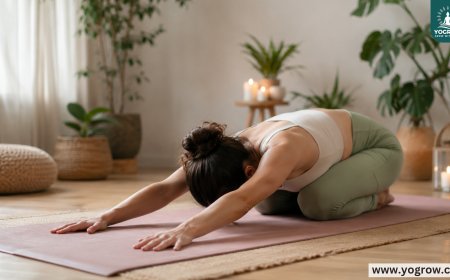
Step 4: Include Restorative Moments
Pause often. Restorative poses or seated stillness allow the body and mind to integrate the effects of movement. These moments of rest are essential for deep relaxation and emotional balance.
Step 5: Close With Reflection or Meditation
End your practice with a few minutes of quiet reflection or meditation. Observe how your body and mind feel, and carry that sense of ease into your day.
For additional guidance on cultivating calm and inner peace through yoga, this resource on developing inner peace with yoga practices offers valuable insights grounded in yogic philosophy:
https://www.arhantayoga.org/blog/how-to-cultivate-inner-peace-with-yoga/.
Yoga for inner ease is an invitation to slow down, listen inward, and move with intention. Through conscious movement, mindful breathing, and moments of stillness, yoga helps calm the nervous system, soften emotions, and restore balance. Over time, this practice nurtures lasting ease—not just on the mat, but in everyday life.
If you’d like to deepen your journey toward calm and clarity, explore practical techniques in our guide to finding instant calm through yoga practices here:
https://yogrow.ca/blog/find-instant-calm-7-yoga-techniques-for-deep-inner-peace-clarity-yogrow.
Ready to experience inner ease for yourself?
Subscribe to Yogrow updates, book a guided yoga session, or explore more mindful living blogs on Yogrow.ca. Your path to calm begins with one conscious breath.
What's Your Reaction?
 Like
0
Like
0
 Dislike
0
Dislike
0
 Love
0
Love
0
 Funny
0
Funny
0
 Angry
0
Angry
0
 Sad
0
Sad
0
 Wow
0
Wow
0