
Discover How Mindful Yoga Can Transform Your Mental Health Today
Discover how mindful flow yoga enhances presence, reduces stress, and boosts mental well-being. Learn benefits, poses, and steps to practice mindfulness in motion.

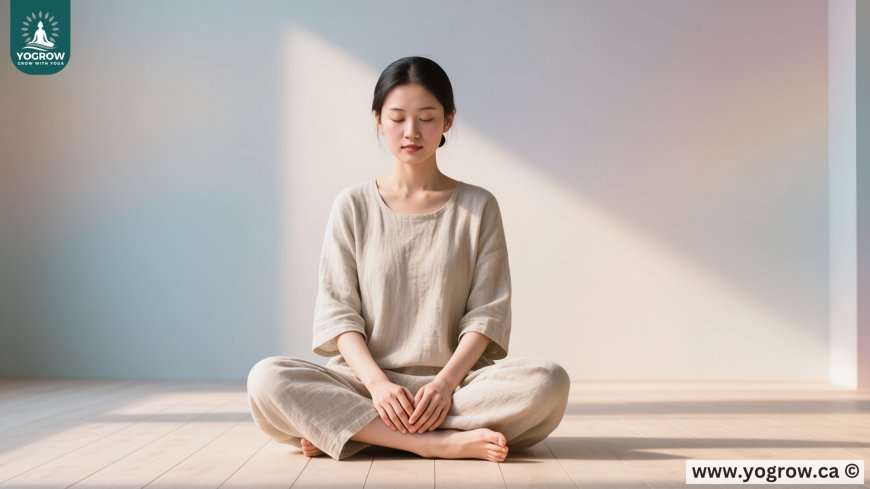
In today’s fast-paced world, finding calm and clarity has become more important than ever. Mindful flow yoga, a powerful blend of movement, breathwork, and awareness, helps you reconnect with the present moment and nurture mental well-being. As we honor World Mental Health Day, this guide explores the deeper significance of mindful yoga and how it supports emotional balance, clarity, and inner peace.
Significance of Mindful Flow Yoga
Mindful yoga goes beyond stretching—it is a transformative practice designed to help you cultivate presence, deepen self-awareness, and create harmony between mind, body, and breath. Unlike traditional exercise, mindful yoga trains your awareness so that each breath and movement becomes intentional. Below, we explore its profound significance.
1. A Powerful Pathway to Stress Reduction
Modern lifestyles routinely activate the body’s stress response, increasing cortisol levels and mental fatigue. Mindful yoga acts as a reset button.
By synchronizing breathing with slow, thoughtful movements, the nervous system shifts into a relaxed state. According to experts from The Yoga Institute, mindful practices help enhance present-moment awareness, which significantly reduces stress and promotes emotional calm.
Read more insights on present-moment awareness in this helpful resource from The Yoga Institute: Mindfulness in Daily Life: How Yoga Enhances Present-Moment Awareness.
To explore how yoga helps you build mental resilience further, you can check our related article: Yoga for Resilience: 6 Proven Ways to Bounce Back from Life’s Challenges.


2. Enhances Emotional Balance & Self-Awareness
One of the greatest significances of mindful yoga is its ability to create emotional harmony. When practiced with awareness and intention, yoga becomes a mirror reflecting your internal world.
-
You begin to observe emotions without reacting impulsively.
-
You learn self-acceptance and compassion.
-
You build resilience during challenges, both on and off the mat.
Mindful yoga encourages gentle curiosity—helping practitioners identify emotional patterns and respond with more clarity and calmness.
3. Improves Concentration & Mental Clarity
Mindfulness sharpens the mind. Practicing mindful yoga trains your attention to stay anchored in one sensation at a time—breath, stretch, balance, or movement.
This mindful focus improves:


-
Cognitive performance
-
Memory
-
Present-moment awareness
-
Productivity at work
-
Quality of sleep
For deeper insight into how mindful movement cultivates awareness through yoga poses, explore this resource from Wakeup India: Mindfulness in Motion: How Yoga Poses Cultivate Present-Moment Awareness.
4. Fosters Mind–Body Connection for Holistic Wellness
Mindful flow yoga strengthens your internal connection—physically, mentally, and spiritually.
Practitioners learn to:
-
Notice how emotions manifest physically
-
Release stored tension
-
Realign posture and breath
-
Build inner grounding and stability
Yoga postures such as Mountain Pose, Warrior II, and Tree Pose help practitioners feel balanced, centered, and fully embodied.
To dive into how yoga expands spiritual awareness, explore our internal guide: Yoga and Spiritual Awakening: The Hidden Power of Ancient Postures.
Practical Step-by-Step Guide to Practicing Mindful Flow Yoga
Mindfulness becomes more powerful when practiced consistently. Here is a simple, actionable guide for beginners and experienced yogis to integrate mindful flow yoga into everyday life.
Step 1: Begin with Grounding (Mountain Pose – Tadasana)
- Stand tall with your feet hip-width apart.
- Relax your shoulders and lengthen the spine.
- Feel the ground beneath your feet and take slow breaths.
This moment of grounding helps anchor you in the present and prepares your mind for practice.
Step 2: Link Breath with Movement
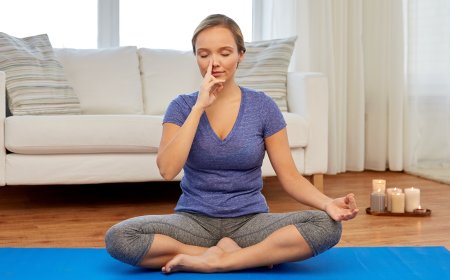
Mindful yoga is all about breath-led movement. As you flow between poses, allow each inhale and exhale to guide your pace.
Try these breathing methods:
-
Deep Belly Breathing
-
Ujjayi Breath (victorious breath)
-
Equal Ratio Breathing (inhale 4 counts, exhale 4 counts)
This deepens focus, calms the mind, and improves self-awareness.
Step 3: Move Through Mindful Poses
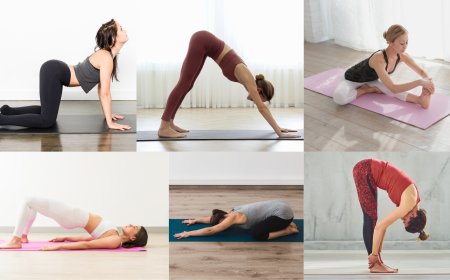
Mountain Pose (Tadasana)
A grounding posture that enhances presence and stability.
Tree Pose (Vrksasana)
Encourages balance and focus while teaching you to move through distractions mindfully.
Warrior II (Virabhadrasana II)
Builds strength, confidence, and emotional resilience.
Corpse Pose (Savasana)
A powerful relaxation posture that teaches surrender and stillness.
Flow through these poses slowly, paying attention to every stretch, sensation, and breath.
Step 4: Notice Sensations Without Judgment
During each pose, tune into physical sensations—tightness, warmth, stretch, or release.
Observe without trying to change anything. This non-judgmental awareness is the essence of mindfulness.
Step 5: End with Gratitude
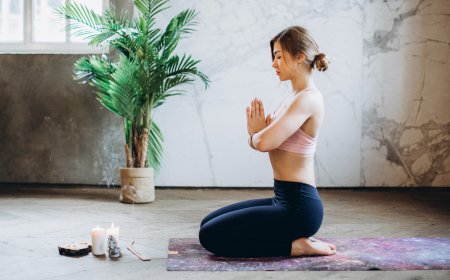
- Close your practice by placing a hand on your heart.
- Acknowledge your effort, breath, and presence.
- Express gratitude for your body and the moment of stillness you created.
Beginner-Friendly FAQ Section
1. What are some beginner-friendly yoga poses for cultivating mindfulness?
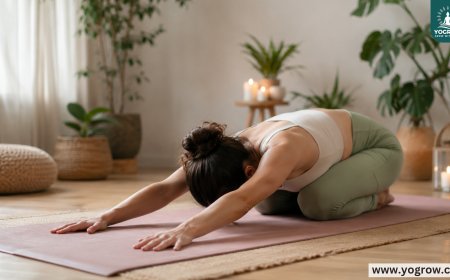
Start with Mountain Pose, Tree Pose, Warrior II, Child’s Pose, and Corpse Pose. These grounding poses help build awareness and connection.
2. How can beginners incorporate mindfulness into yoga?
Focus on your breath, notice sensations, observe thoughts without judgment, and stay present throughout each pose.
3. What breathing techniques enhance mindfulness?
Ujjayi breath, deep belly breathing, and equal ratio breathing help regulate the mind and deepen concentration.
4. Can practicing yoga outdoors improve mindfulness?
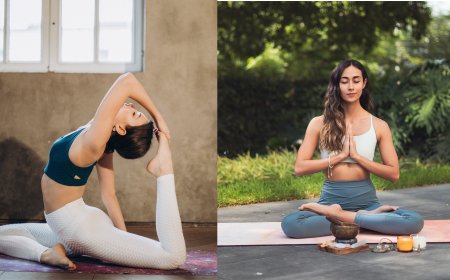
Yes. Natural surroundings, fresh air, and open space enhance presence and deepen your connection with movement and breath.
Conclusion: Embrace Mindfulness in Motion
Mindful flow yoga is more than a physical practice—it is a transformative journey toward deeper awareness, emotional balance, and inner peace. By incorporating mindful breathing, movement, and grounding poses, you cultivate a powerful connection to the present moment.
To continue your journey toward mindful awareness and spiritual connection, explore our detailed guide here: Yoga and Spiritual Awakening: The Hidden Power of Ancient Postures.
Whether you are practicing at home, in a studio, or outdoors, embrace each movement with curiosity and gratitude.
Ready to deepen your practice? Explore more yoga guides, tips, and retreats on Yogrow.ca and begin your journey toward mindful living today.
What's Your Reaction?
 Like
0
Like
0
 Dislike
0
Dislike
0
 Love
0
Love
0
 Funny
0
Funny
0
 Angry
0
Angry
0
 Sad
0
Sad
0
 Wow
0
Wow
0