
Yoga for Dementia: How Gentle Movement Brings Calm, Comfort, and Connection
Discover how gentle, dementia-friendly yoga reduces anxiety, improves sleep, supports mobility, and brings calm and connection for dementia care at home daily.

Caring for a loved one with dementia can be emotionally overwhelming. Families often describe it as a journey filled with love, confusion, grief, and constant adjustment. While medical care focuses on managing symptoms, many caregivers search for something more, a way to bring calm, dignity, and moments of connection into everyday life.
Yoga, when adapted thoughtfully, offers exactly that. It is not a cure for dementia, and it does not promise recovery of memory. What it does offer is something equally valuable: comfort, routine, emotional regulation, and a sense of safety for both patients and caregivers.
This article explains how gentle, dementia-friendly yoga can support people living with dementia and why it has become a trusted complementary practice for families around the world.
Understanding Dementia in Everyday Terms
Dementia is not a single disease but a group of conditions that affect memory, thinking, behavior, and the ability to perform daily activities. Alzheimer’s disease is the most common form, but there are many others, including vascular dementia and Parkinson’s-related dementia.
People living with dementia may experience:

-
Memory loss and confusion
-
Anxiety or agitation
-
Changes in mood or personality
-
Difficulty sleeping
-
Reduced balance and mobility
-
Sensory sensitivity or fear of unfamiliar situations
Each person’s experience is unique. Some may have early-stage symptoms with mild memory challenges, while others may need constant support in daily life. What remains consistent across all stages is the need for calm, reassurance, and familiarity.

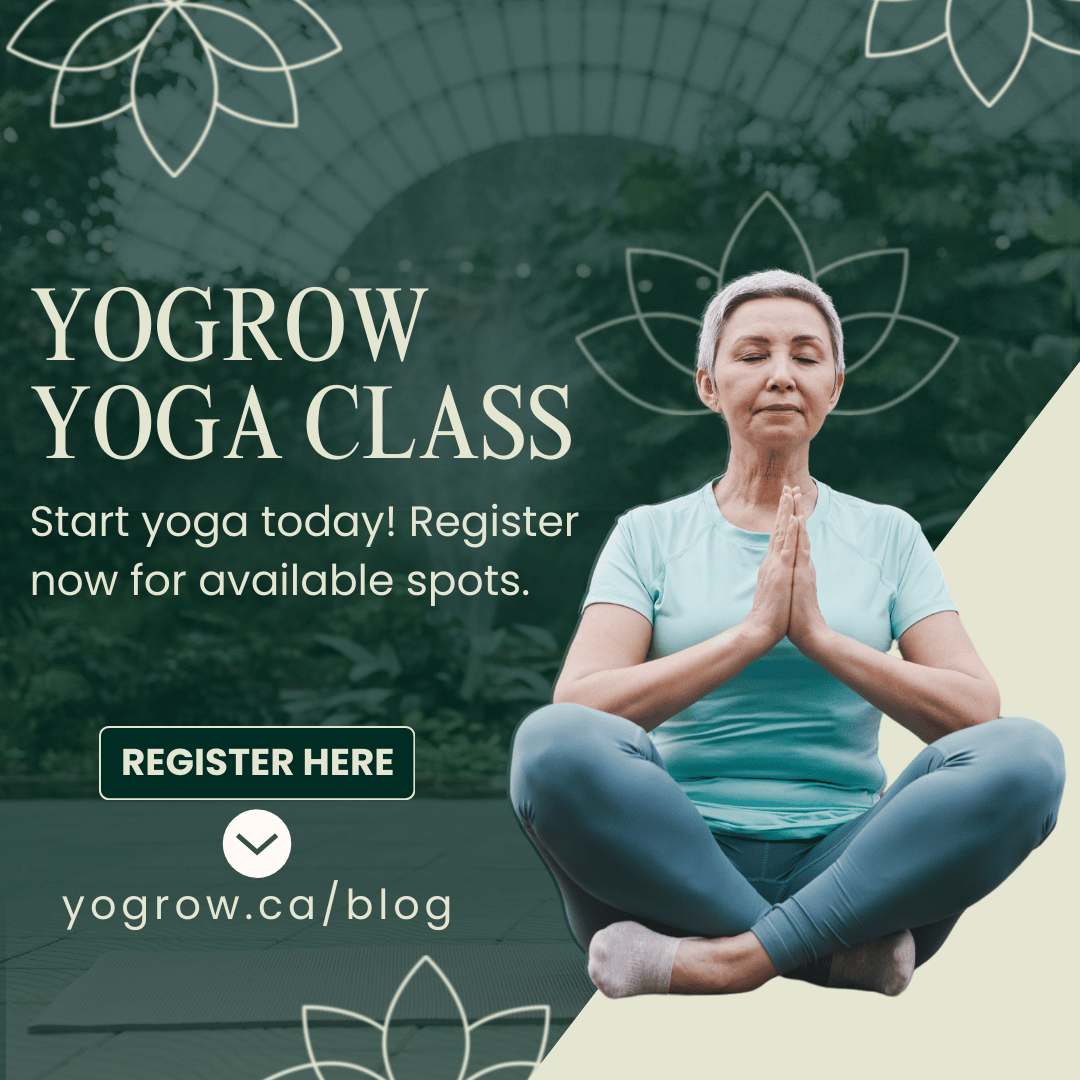
Why Yoga Can Help People Living with Dementia
Yoga works at the level of the nervous system, not just the muscles. This is why it is particularly effective for people with dementia.
Rather than demanding concentration or memory, gentle yoga focuses on slow movement, breathing, and presence. These elements help regulate the body’s stress response and create a sense of safety.
Key benefits of yoga for dementia patients include:
-
Reduced anxiety and agitation
Slow movement and breathing activate the parasympathetic nervous system, helping the body shift out of a constant “fight or flight” state. -
Improved sleep quality
Regular relaxation practices can ease restlessness and support better sleep patterns. -
Maintained mobility and joint comfort
Gentle movements help preserve range of motion and circulation without strain. -
Enhanced emotional well-being
Yoga sessions often create moments of calm, joy, and emotional connection. -
Routine and predictability
Repeating the same sequence builds familiarity, which is deeply comforting for individuals with dementia.
Most importantly, yoga helps people feel successful. There are no goals to achieve and no poses to perfect. Simply participating is enough.
What Makes Yoga for Dementia Different from Regular Yoga
Yoga for dementia is very different from a typical yoga class. It is slower, simpler, and entirely focused on comfort and safety.
Dementia-friendly yoga emphasizes:
-
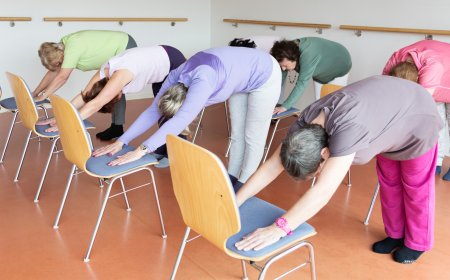
Seated or chair-based practice
-
Gentle, repetitive movements
-
Clear visual demonstrations
-
Minimal verbal instructions
-
A calm and reassuring tone
-
Familiar sequences used every session
-
No physical adjustments or force
The aim is not flexibility or strength but emotional regulation and ease.
In dementia yoga, how something is taught matters more than what is taught. A soft voice, steady pacing, and compassionate presence are essential.
What a Typical Dementia-Friendly Yoga Session Looks Like
A well-designed session usually lasts between 20 and 30 minutes. Shorter, consistent sessions are far more effective than long classes.
A typical session may include:
1. Gentle grounding
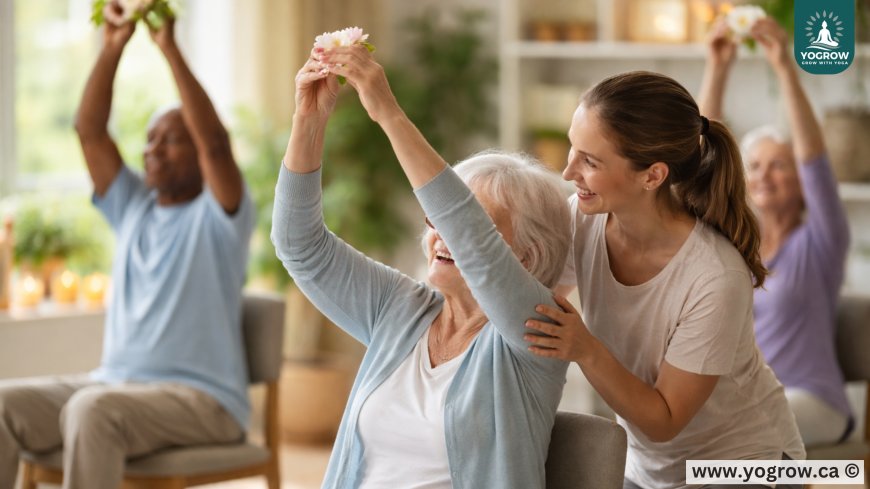
Participants are seated comfortably, often in a chair. The instructor begins with simple reassurance and slow breathing to help everyone settle.
2. Slow, familiar movements
Movements focus on the neck, shoulders, arms, hands, legs, and ankles. These are repeated in the same order every session to build familiarity.
3. Simple breathing practices
Breathing is slow and natural, often counted aloud or guided gently. There is no breath holding or forceful breathing.
4. Relaxation
The session ends with a short relaxation, guided in a calm, soothing voice. This may include soft music or silence.
Caregivers are welcome to participate, which often deepens the sense of connection and shared calm.
The Power of Breathing and Relaxation
Breathing practices are one of the most powerful tools in dementia-friendly yoga.
Slow, steady breathing sends a direct signal to the brain that it is safe to relax. This can reduce restlessness, ease emotional distress, and support better sleep.
Simple practices such as placing a hand on the belly and breathing slowly can be profoundly calming, even for individuals with advanced dementia.
Gentle humming or soft sounds may also be used, as they stimulate the vagus nerve and promote relaxation.
Emotional and Psychological Benefits Beyond Movement
Even when memory fades, the body remembers sensation and emotion. Yoga works at this deeper level.
People with dementia may not remember the details of a yoga session, but they often remember how it made them feel. Calm, supported, and cared for.
Yoga can:
-
Reduce fear and emotional overwhelm
-
Encourage trust and relaxation
-
Create moments of presence and connection
-
Support self-expression without words
For caregivers, these moments can be deeply meaningful. Seeing a loved one relax, smile, or sleep better can bring reassurance and relief.
Safety and Individual Adaptation
Safety is the foundation of dementia-friendly yoga.
Every session should be adapted to the individual’s physical and cognitive abilities. There should never be pressure to perform or follow instructions perfectly.
Important safety considerations include:
-
Using chairs or supports at all times
-
Avoiding complex movements or balance poses
-
Never forcing a movement
-
Allowing participants to rest whenever needed
-
Stopping the session if agitation increases
-
Coordinating with caregivers when necessary
Families are encouraged to consult healthcare professionals for individuals with advanced conditions or medical concerns.
Who Can Benefit from Dementia-Friendly Yoga
Yoga can support a wide range of individuals and families, including:
-
People in early or moderate stages of dementia
-
Individuals with Alzheimer’s disease
-
Those with Parkinson’s-related dementia
-
Seniors experiencing memory challenges
-
Caregivers seeking shared calming activities
-
Family members supporting aging parents
Yoga sessions can be offered privately, in small groups, or in care facilities, depending on individual needs.
The Role of the Instructor
The instructor plays a crucial role in dementia yoga. More than technical knowledge, what matters is presence, patience, and compassion.
A trained instructor understands how to:
-
Communicate calmly and clearly
-
Adapt movements instantly
-
Create a non-judgmental space
-
Respond to emotional changes with sensitivity
-
Maintain dignity and respect at all times
For families, knowing that their loved one is guided by someone who understands dementia builds essential trust.
A Gentle Message of Hope
Dementia changes many things, but it does not erase the human need for calm, connection, and kindness. Yoga offers a gentle way to meet those needs without pressure or expectation.
It creates moments where the body relaxes, the breath slows, and the nervous system feels safe. In those moments, there is peace.
For families and caregivers, yoga can become a shared ritual of care, a quiet space where both patient and caregiver find relief together.
Learn More About Our Dementia-Friendly Yoga Programs
Our yoga programs are designed with compassion, safety, and dignity at their core. Sessions are gentle, adaptable, and led by instructors trained to work with seniors and individuals living with dementia.
If you would like to learn more, discuss a personalized session, or explore whether this approach is right for your family, we invite you to connect with us. Sometimes, the smallest moments of calm make the biggest difference.
What's Your Reaction?
 Like
0
Like
0
 Dislike
0
Dislike
0
 Love
0
Love
0
 Funny
0
Funny
0
 Angry
0
Angry
0
 Sad
0
Sad
0
 Wow
0
Wow
0