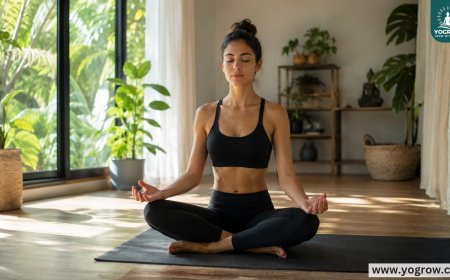

The Importance of Slowing Down in Yoga for Stress & Nervous System Health
Discover the importance of slowing down in your yoga practice for stress relief, nervous system balance, and deeper mind-body connection.

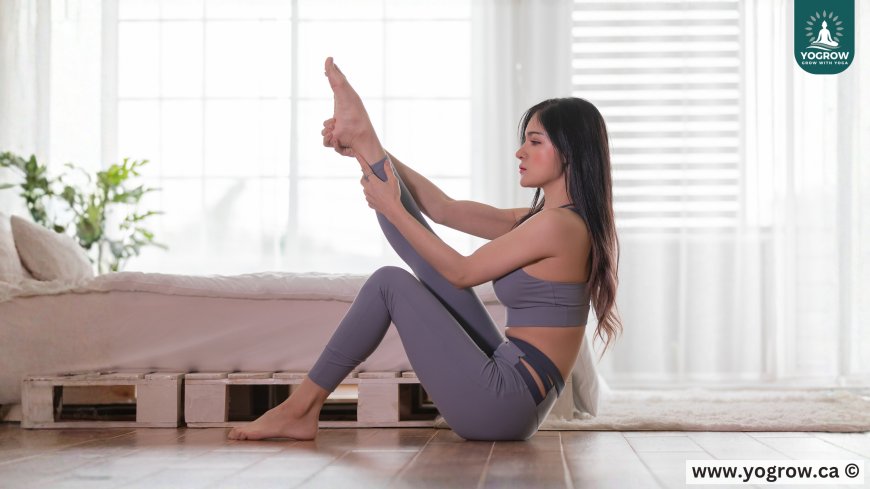
In a world that glorifies speed and productivity, the importance of slowing down in your yoga practice has never been more relevant. Many practitioners unknowingly carry their fast-paced lifestyle onto the mat, rushing through poses and chasing intensity rather than awareness. Yet yoga was never meant to be a race. Slowing down transforms your practice from a physical workout into a deeply restorative and mindful experience. It allows you to reconnect with your breath, regulate your nervous system, and cultivate long-term physical and emotional balance.
When we intentionally slow our movements and deepen our breath, yoga becomes a tool for healing rather than performance.
Benefits of Slowing Down in Your Yoga Practice
1. Enhances Mind-Body Awareness
One of the greatest benefits of slowing down in your yoga practice is heightened awareness. When movements are deliberate and breath-led, you begin to notice subtle sensations—muscle engagement, alignment shifts, and emotional responses. This awareness reduces the risk of injury and increases the effectiveness of each pose.
Instead of focusing on how many poses you complete, you focus on how you feel within each posture. Slow transitions allow you to observe your body without judgment. Over time, this mindfulness extends beyond the mat into daily life, improving posture, movement patterns, and emotional regulation.
As discussed in this insightful article on why slowing down is a superpower and how yoga can help, slowing down cultivates deeper presence and resilience in both body and mind.

2. Supports Nervous System Regulation
Modern stress keeps many of us in a constant fight-or-flight state. Fast-paced yoga flows can sometimes stimulate the sympathetic nervous system further. Slower, breath-centered practices activate the parasympathetic nervous system—the body’s rest-and-digest mode.
By holding poses longer and breathing deeply, you send signals of safety to your brain. Heart rate slows. Muscles soften. The mind clears.
If you're interested in exploring this connection further, read our detailed guide on the surprising connection between yoga and nervous system health to understand how intentional pacing supports long-term stress relief and emotional balance.
Slowing down isn't about doing less—it's about creating space for your nervous system to reset.
3. Improves Strength, Stability, and Flexibility
It may seem counterintuitive, but slow yoga often builds more strength than fast flows. When you move slowly or hold poses for longer durations, your muscles must engage consistently and with control.
For example:
-
Holding Warrior II for 8–10 breaths builds endurance.

-
Slow transitions between plank and chaturanga improve joint stability.
-
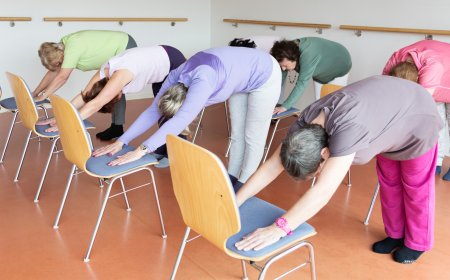
Pausing in forward folds allows fascia to release gradually.


Slower movements also encourage safer flexibility gains. Rapid transitions can cause overstretching, while mindful breathing supports gradual tissue adaptation. The result? Sustainable progress rather than short-term intensity.
4. Reduces Stress and Mental Overload
Many people come to yoga seeking stress relief, yet rushing through a sequence can replicate the very pressure they are trying to escape.
Slow yoga provides:
-
Mental clarity
-
Emotional grounding
-
Reduced anxiety
-
Better sleep quality
In today’s fast-paced world, slow flow yoga has gained popularity for this exact reason. As highlighted in this Yoga Journal article on slow flow yoga in a fast-paced world, intentional pacing creates a powerful counterbalance to daily overstimulation.
When you slow down, your thoughts slow down. You begin to respond rather than react.
5. Deepens Emotional Connection and Self-Compassion
Slowing down encourages self-inquiry. Without the distraction of constant movement, emotions may surface. This is not a weakness—it’s an opportunity for healing.
A slower pace allows you to:
-
Notice inner dialogue
-
Release tension stored in the body
-
Practice patience with yourself
Over time, this builds self-trust and compassion. You learn to honor your limits instead of pushing past them. Yoga becomes less about achievement and more about alignment—physically and emotionally.
Practical Steps to Slow Down in Your Yoga Practice
Slowing down doesn’t require a completely different style of yoga. It requires intention. Here’s a simple step-by-step guide to help you incorporate a slower, more mindful approach into your routine:
Step 1: Start with Intentional Breathing
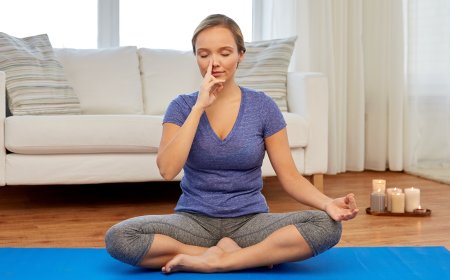
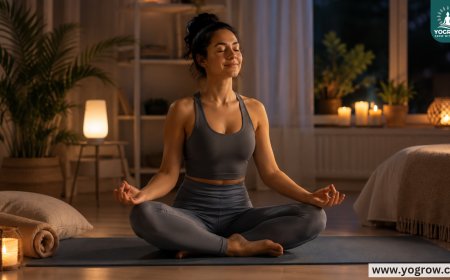
Before beginning your sequence, spend 3–5 minutes in seated or supine position focusing solely on breath. Inhale for a count of four, exhale for a count of six. This immediately shifts your nervous system into a calmer state.
Make breath your anchor throughout the session.
Step 2: Reduce the Number of Poses
Instead of flowing through 20 poses, choose 8–10 and explore them deeply. Spend 6–8 breaths in each posture. Notice alignment, muscle engagement, and mental responses.
Quality always outweighs quantity.
Step 3: Slow Your Transitions
Transitions are often rushed. Try moving between poses at half your usual speed. For example:
-
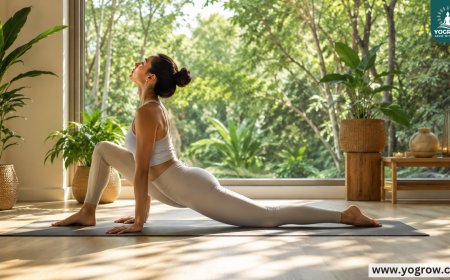
Step from Downward Dog to Low Lunge slowly and with control.
-
Lower from plank to the floor gradually.
-
Rise into standing poses mindfully.
These transitions build strength and awareness.
Step 4: Incorporate Longer Holds
Add restorative or yin-style elements:
-
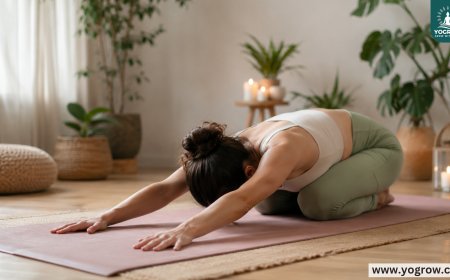
Child’s Pose for 1–2 minutes
-
Seated forward fold with relaxed breathing
-
Supported bridge pose with blocks
Longer holds allow deeper muscular and fascial release while calming the mind.
Step 5: End with Extended Savasana
Resist the urge to skip Savasana. Stay for at least 5–10 minutes. This integration period is where your nervous system absorbs the benefits of the practice.
Slowing down here reinforces everything you've cultivated during the session.
Step 6: Apply Slowness Beyond the Mat
The true power of yoga lies in daily life integration. Practice:
-
Mindful walking
-
Slower eating
-
Conscious breathing during stress
If you're looking for ways to bring yoga into your routine beyond the mat, explore our blog on yoga for everyday wellness and small habits that create life-changing results.
Slowness becomes a lifestyle, not just a practice.
The importance of slowing down in your yoga practice goes far beyond physical pacing. It enhances awareness, supports nervous system health, builds sustainable strength, reduces stress, and fosters emotional healing. In a culture that rewards speed, choosing to move slowly is a radical act of self-care.
When you shift your focus from intensity to intention, your practice becomes deeper, safer, and more transformative.
Ready to experience the benefits of mindful movement? Explore more insights on the surprising connection between yoga and nervous system health, or join a slow-flow session at Yogrow to begin cultivating calm from the inside out.
Slow down. Breathe deeply. Grow mindfully.
If this article resonated with you, share it with someone who needs permission to pause—and subscribe to our blog for more wellness inspiration.
What's Your Reaction?
 Like
0
Like
0
 Dislike
0
Dislike
0
 Love
0
Love
0
 Funny
0
Funny
0
 Angry
0
Angry
0
 Sad
0
Sad
0
 Wow
0
Wow
0