





Yoga for Resilience: 6 Proven Ways to Bounce Back from Life’s Challenges
Discover the benefits and significance of yoga for resilience. Learn how yoga helps strengthen your mind, body, and spirit to overcome life’s challenges.

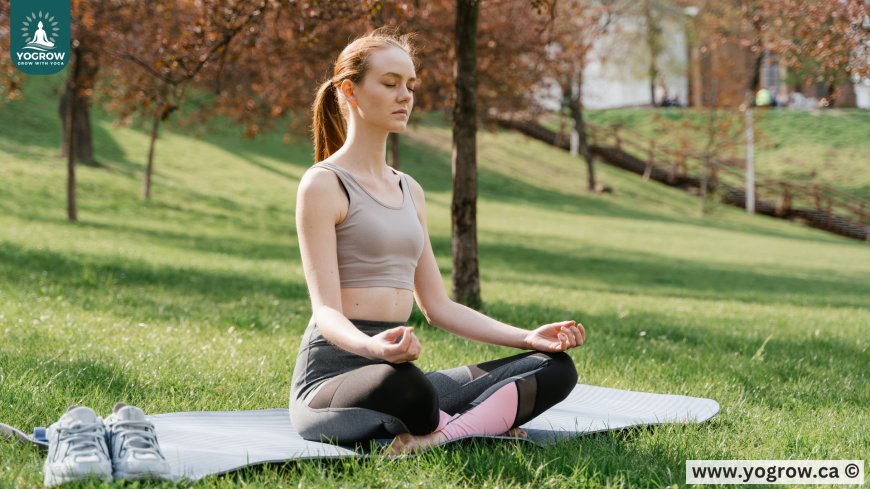
In today’s world, change is constant — and resilience has become an essential life skill. Whether it’s health issues, financial setbacks, or emotional struggles, the ability to recover from challenges defines our overall well-being. Yoga for resilience offers more than physical flexibility; it nurtures mental strength, emotional balance, and spiritual growth. Rooted in centuries of tradition, yoga provides practical tools that empower us to face adversity with clarity and calm.
Significance of Yoga for Resilience
Resilience — Inherited or Learned?
Resilience isn’t simply an innate trait; it can be learned and cultivated. Psychologist Susan Kobasa identified that resilient individuals view difficulties as challenges rather than failures. They remain committed to their goals and focus on what they can control. Yoga aligns perfectly with these principles — it trains the body and mind to stay present, adaptable, and composed even under pressure.
Each yoga session strengthens our inner framework for coping with stress. Through regular practice, we begin to notice how patience, awareness, and discipline extend beyond the mat, shaping our approach to life’s obstacles.
The Mind–Body Connection in Resilience
Science continues to reveal that mind and body are inseparable when it comes to emotional strength. Yoga strengthens this connection by integrating movement, breath, and mindfulness, thereby improving emotional regulation and reducing anxiety.
As highlighted by YogaUOnline, individuals who practice yoga consistently demonstrate better stress management and emotional adaptability. By engaging both the nervous and endocrine systems, yoga teaches the body to respond — not react — to stress.
Spiritual Growth and Inner Strength
Beyond its physical aspects, yoga offers a spiritual framework for understanding resilience. The practice encourages Ahimsa (non-violence) and Santosha (contentment), which foster compassion and acceptance. When we meet life’s turbulence with mindfulness rather than resistance, we grow stronger internally.
This spiritual awareness becomes a compass, guiding us to maintain peace and balance even in uncertainty. Thus, yoga transforms resilience from a coping mechanism into a way of life — one rooted in purpose and presence.


Benefits of Yoga for Resilience
Emotional Balance and Stress Reduction
Yoga’s combination of controlled breathing and mindful movement stabilizes emotions and lowers cortisol levels. The simple act of syncing breath with motion activates the parasympathetic nervous system, leading to calmness and clarity.
Consistent practice helps dissolve mental clutter, a concept further supported in How Regular Yoga Classes Can Erase Back Pain and Correct Posture, which explores how mindful movement restores both body and mind. This emotional balance is a cornerstone of resilience, allowing individuals to recover faster from emotional turmoil.
Building Confidence and Mental Fortitude
Facing a challenging pose mirrors the experience of facing a personal fear. Each attempt, adjustment, and small victory builds mental toughness and perseverance. Yoga nurtures self-efficacy — the belief that we are capable of handling whatever life presents.
As practitioners progress, they develop an inner dialogue of encouragement rather than criticism. Over time, this mindset extends beyond the studio, shaping a confident and resilient approach to real-world obstacles.
Physical Vitality and Recovery
Resilience also means physical recovery — the ability to heal from illness, surgery, or fatigue. Yoga’s gentle movements and breathwork improve circulation, stimulate healing, and increase flexibility, especially beneficial for older adults or those managing chronic conditions.
By enhancing strength and mobility, yoga prepares the body to handle both physical and emotional stress. The union of strength and flexibility mirrors the essence of resilience: being firm yet adaptable.
Enhanced Focus and Clarity
Resilient individuals maintain focus even during chaos. Yoga develops this through mindfulness and concentration practices such as Drishti (focused gaze) and meditation.
Improved focus leads to better decision-making, emotional control, and a sense of groundedness. To understand how yoga enhances concentration and performance, read From Flexibility to Focus: 7 Game-Changing Benefits of Yoga for Athletes, which demonstrates yoga’s cognitive benefits in high-pressure situations.
Practical Steps to Build Resilience Through Yoga
Yoga provides practical, evidence-based tools that can be incorporated into daily life to strengthen resilience on and off the mat.
1. Face Your Fears Through Challenging Poses
Balancing postures like Tree Pose (Vrikshasana) or inversions like Dolphin Pose test stability and courage. When you face discomfort safely on the mat, you train your mind to stay calm amid uncertainty in life. Each attempt becomes a micro-lesson in courage.
2. Practice Self-Compassion (Ahimsa)
Adversity often triggers self-criticism. Instead, yoga encourages gentle acceptance. Modify your practice based on your emotional state — a slower flow for exhaustion or a vigorous session to release stress. Off the mat, simple affirmations such as “May I be kind to myself” nurture compassion, a vital element of resilience.


3. Cultivate Mindfulness and Meditation
Meditation anchors the mind in the present. Most stress stems from dwelling on the past or worrying about the future. By observing thoughts without judgment, we build emotional intelligence and reduce reactivity.
Yoga can also be approached as a moving meditation, aligning breath and motion to keep awareness centered. Over time, this mindfulness reshapes how we handle pain, grief, or uncertainty.
4. Control the Breath with Pranayama
Breath is the bridge between body and mind. Techniques such as Nadi Shodhana (alternate-nostril breathing) and Ujjayi (victorious breath) regulate the autonomic nervous system, shifting the body from “fight-or-flight” to “rest-and-digest.”
Deep, rhythmic breathing enhances oxygen flow, stabilizes the heart rate, and promotes clarity. Regular pranayama practice builds emotional endurance and calm — key foundations of resilience.
5. Practice Gratitude and Positive Reflection
Gratitude redirects focus from loss to abundance. Studies show that practicing gratitude improves emotional resilience and overall happiness. In yoga, gratitude can be woven into your closing meditation by mentally thanking your body, breath, and experiences.
As supported by YogaGoaIndia – Yoga for Resilience, this mindset transformation is one of the most powerful outcomes of a dedicated yoga journey. The more we practice appreciation, the stronger our ability to recover from setbacks becomes.
Yoga for resilience is not just a philosophy; it’s a daily practice that integrates mind, body, and spirit. By developing mindfulness, compassion, and physical strength, we cultivate the inner resources to navigate life’s uncertainties with grace.
To further explore how yoga enhances strength and focus, read From Flexibility to Focus: 7 Game-Changing Benefits of Yoga for Athletes.
Start small — perhaps with mindful breathing or a few minutes of meditation — and let your yoga journey expand naturally. Each breath, each posture, and each moment of stillness strengthens the resilient spirit within.
Ready to deepen your practice? Join our next yoga session at Yogrow.ca and discover how resilience begins right on your mat.
What's Your Reaction?
 Like
0
Like
0
 Dislike
0
Dislike
0
 Love
0
Love
0
 Funny
0
Funny
0
 Angry
0
Angry
0
 Sad
0
Sad
0
 Wow
0
Wow
0