
Find Instant Calm: 7 Yoga Techniques for Deep Inner Peace & Clarity
Discover how yoga for inner peace calms the mind, softens stress, and enhances clarity. Learn powerful grounding practices and step-by-step methods for lasting peace.

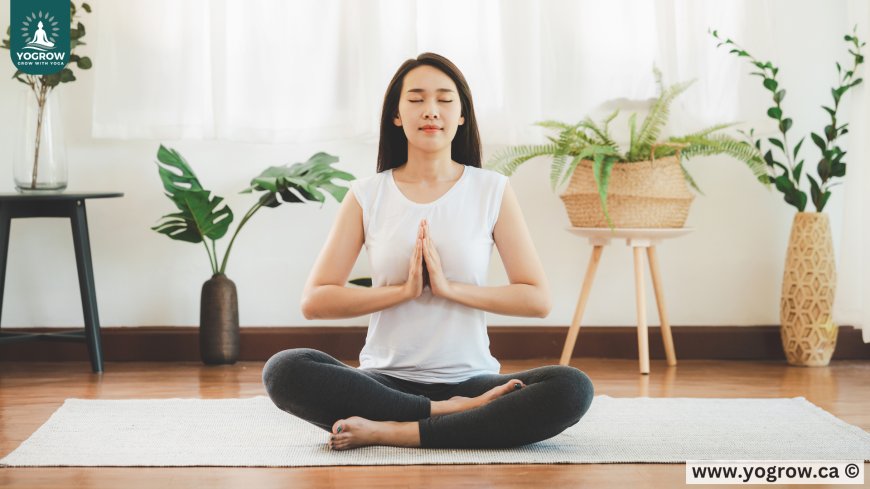
In a world overflowing with constant stimulation, expectations, and emotional noise, yoga for inner peace has become more than a wellness trend—it’s a lifeline. Many people today feel mentally scattered, physically tense, and emotionally overwhelmed. Yoga provides a grounding framework to return to balance, clarity, and calm. By combining mindful movement, breathwork, meditation, and yogic principles, yoga helps reset the nervous system and reconnect you to a sense of inner steadiness.
This article explores the significance of yoga for inner peace, drawing from ancient wisdom and modern understanding, and offers practical steps anyone can follow to create a peaceful inner environment.
Significance of Yoga for Inner Peace
Yoga isn’t just physical exercise—it’s an embodied philosophy that transforms how you relate to your mind, emotions, and life experience. Below are the key reasons why yoga is a powerful pathway to inner peace.
1. Yoga Releases Emotional and Physical Tension Stored in the Body
Our bodies often hold unprocessed emotions, stress, and memories. Through consistent asana practice, you begin to access these deeper holding patterns. Hip-openers, heart-openers, twists, and grounding poses help you soften areas that have been carrying silent tension for months or years.
When you step into a hip-opening posture and experience resistance, this discomfort is often connected to a deeper story—suppressed reactions, stress cycles, or emotional blocks. Releasing tension in the body allows emotional clarity to emerge.

To explore this connection more deeply, see the internal guide on transformative yoga poses:
10 Yoga Poses That Transform Your Mind & Body.
This mind–body relationship is also validated by traditional schools of yoga. According to Arhanta Yoga, inner peace can only arise when the mind and nervous system are supported through mindful physical movement and awareness. Their teachings emphasize that yoga becomes a tool for releasing emotional stress, not just physical stiffness.
2. Yoga Calms the Nervous System Through Conscious Breathwork
Your breath is the remote control for your nervous system. Rapid, shallow breathing signals danger; slow and deep breathing signals safety. This is why pranayama is a core part of yoga for inner peace. One of the simplest yet most effective tools is ratio breathing, such as inhaling for four counts and exhaling for six. This activates the parasympathetic nervous system, which reduces tension, stabilizes emotions, and improves mental clarity.
Research-backed teachings as found on Yoga International show that even 5 minutes of breathwork daily can significantly reduce stress hormones, improve emotional balance, and create an inner sense of safety. By mastering your breath, you master your inner state.
3. Meditation Builds Inner Stillness Even When Life Is Chaotic
Meditation is often misunderstood—many believe it requires emptying the mind. In truth, meditation is simply the practice of observing without reacting.
This kind of awareness builds a mental buffer between you and your emotions. Instead of being swept away by anger, fear, or anxiety, you learn to watch these feelings rise and fall, like waves in a vast ocean.
Over time, meditation rewires your brain, increasing your capacity for:


-
Clarity
-
Calm responses
-
Emotional maturity
-
Long-term peace
Even something as simple as drinking your morning tea in silence while watching your thoughts can be a meditation. For a deeper dive into using yoga to release emotional pain before meditation, explore this internal resource: How Yoga Helps You Release Emotional Pain & Find Inner Calm.
4. Yogic Philosophy (Yamas & Niyamas) Creates Peace in Daily Life
Inner peace is not only created on the yoga mat—it’s created in everyday decisions. The Yamas and Niyamas teach ethical living that shapes how you interact with yourself and others.
Some examples include:
Ahimsa (Non-violence)
Avoiding snapping at loved ones when you’re tired.
Satya (Truthfulness)
Being honest with yourself when something is bothering you instead of pretending everything is fine.
Aparigraha (Non-hoarding)
Not clinging to every message, notification, or external validation.
These small choices shift your nervous system from survival mode into presence. They help you experience calm not as a special event, but as a way of living.
5. Yoga Teaches Presence in Everyday Movements
Yoga is not meant to stay limited to a 1-hour class. True peaceful living means carrying yoga into your:
-
Conversations
-
Eating habits
-
Home routines
-
Daily tasks
-
Work interactions
Folding laundry with awareness, walking slowly, or eating without distraction are forms of embodied peace. Presence is simply “peace plus attention.”
When you learn to live consciously, inner peace stops being temporary—it becomes your default state.
Practical Steps to Cultivate Inner Peace Through Yoga
These steps are simple, grounded, and accessible for beginners and experienced practitioners alike. Consistency is more important than perfection.
Step 1: Start With 5 Minutes of Gentle Movement Each Morning
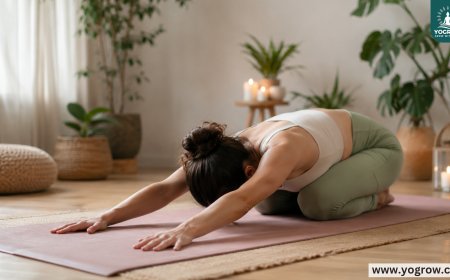
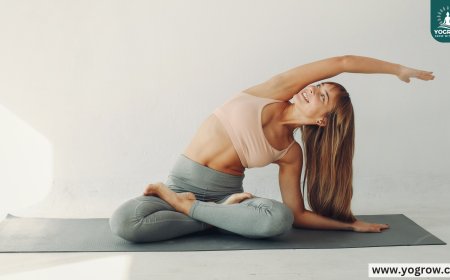
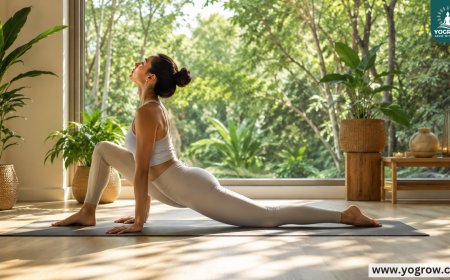
Begin your day with slow, mindful stretches. Focus especially on the spine, hips, and shoulders. This opens the pathways for breath and energy flow.
Examples:
-
Cat-Cow
-
Child’s Pose
-
Seated Side Bends
-
Slow hip circles
These movements help you release stiffness and emotional tension built overnight.
Step 2: Practice 5 Minutes of Ratio Breathing
Set a timer for five minutes and practice:
-
Inhale: 4 counts
-
Exhale: 6 counts
If you feel comfortable, increase to:
-
Inhale: 4
-
Hold: 4
-
Exhale: 6
This reduces stress hormones and signals your body that it is safe.
You can validate this practice using Yoga International’s expert breathing guides, which support slow breathing as a tool for peace.
Step 3: Meditate by Observing Your Thoughts
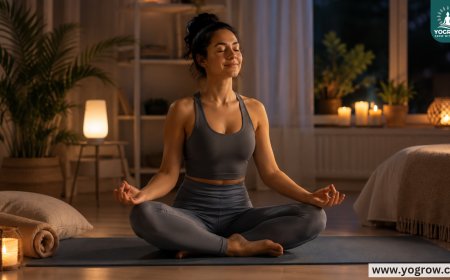
Even 3–5 minutes is enough. Sit comfortably and simply watch your thoughts come and go. No resisting, no judging. This trains your mind to stop reacting impulsively. It also helps you build mental clarity and emotional strength.
Step 4: Apply One Yama or Niyama Each Week
Choose one principle and consciously practice it every day for a week.
Examples:
-
Practice ahimsa by speaking kindly.
-
Practice santosha (contentment) by appreciating small joys.
-
Practice aparigraha by reducing unnecessary phone use.
This turns yoga into a lifestyle rather than an activity.
Step 5: Embrace Stillness Before Responding
This is one of the most powerful steps for inner peace.
Before reacting:
-
Pause
-
Breathe
-
Allow emotions to settle
This creates space for a conscious, peaceful response rather than a reaction rooted in stress.
This skill alone can transform relationships, work interactions, and your overall emotional well-being.
Inner peace is not something you find outside—it is something you cultivate within. Through mindful movement, breathwork, meditation, and conscious living, yoga becomes a powerful tool for mental clarity, emotional balance, and deep inner harmony.
If you want to explore more emotional healing practices rooted in yoga, we recommend reading this internal guide: How Yoga Helps You Release Emotional Pain & Find Inner Calm.
By starting small—just a few minutes each day—you can transform your inner landscape. Remember that yoga is not about perfection; it is about presence.
Ready to deepen your practice?
Subscribe to our blog, explore more yoga guides, or leave a comment sharing your experience. Your journey to inner peace begins with a single breath.
What's Your Reaction?
 Like
0
Like
0
 Dislike
0
Dislike
0
 Love
0
Love
0
 Funny
0
Funny
0
 Angry
0
Angry
0
 Sad
0
Sad
0
 Wow
0
Wow
0