Yoga for Better Breathing: Discover Calm and Focus Through Pranayama | Yogrow
Master your breath with Pranayama yoga techniques at yogrow.ca. Discover how yogic breathing improves focus, reduces stress, and boosts energy in daily life.

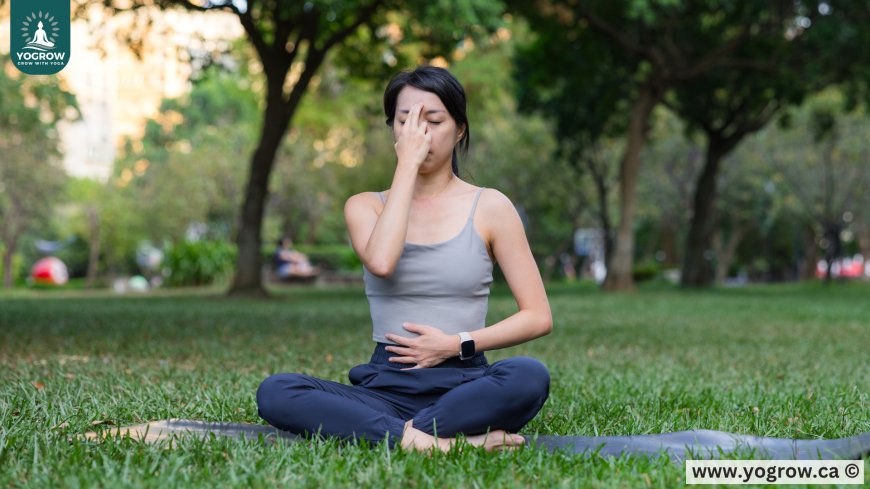
In today’s fast-paced, stress-filled world, finding calm can feel like an impossible task. Yet, the answer lies right under your nose — your breath. Pranayama, often translated as “breath control,” is a cornerstone of yoga that helps you master the art of conscious breathing. By harnessing your breath, you can balance your energy, calm your mind, and nurture your physical and emotional well-being. Let’s explore how these ancient yogic breathing techniques can bring peace, focus, and vitality into your daily life.
The Benefits of Pranayama (Yoga Breathing)
Pranayama, derived from Prana (life force) and Yama (control), is the fourth limb of Patanjali’s Eight Limbs of Yoga. It’s more than just breathing—it’s a practice of harmonizing your inner and outer worlds. By consciously regulating your breath, you influence your nervous system, mind, and overall health. Below are the key benefits of pranayama that make it essential for modern living.
1. Reduces Stress and Promotes Emotional Balance
When stress hits, your breathing pattern changes—becoming shallow and rapid. This signals your body to stay in “fight or flight” mode. Pranayama reverses that response. Techniques like Nadi Shodhan (Alternate Nostril Breathing) activate your parasympathetic nervous system, lowering cortisol levels and easing anxiety.
By slowing your breath and focusing your awareness, pranayama helps calm your mind and brings emotional stability. This mindful breathing cultivates inner peace and emotional resilience—qualities essential for navigating modern life.
For more insight into how your breath impacts your overall wellness, read Why Your Breath Matters More Than You Think in Yoga Practice.

2. Enhances Focus and Mental Clarity
Your breath and your mind are deeply interconnected. When your mind races, your breath becomes uneven; when your breath slows, your thoughts follow suit. Ujjayi Pranayama (Victorious Breath), a technique that involves gently constricting the throat to create a whispering sound, helps you anchor your attention and build concentration.
Practising Ujjayi regularly enhances mindfulness, improves decision-making, and cultivates mental sharpness. According to the Art of Living Foundation, pranayama oxygenates the brain, improving alertness and focus while reducing symptoms of anxiety and insomnia.
3. Improves Respiratory and Cardiovascular Health
Pranayama isn’t just for the mind—it’s a complete workout for your respiratory system. Controlled breathing exercises strengthen the diaphragm and lungs, improving oxygen exchange and lung capacity.
Techniques like Kapalabhati (Skull Shining Breath) help cleanse the respiratory passages and stimulate the abdominal organs. As you practise, your blood becomes more oxygen-rich, which enhances cardiovascular efficiency and supports heart health. Over time, pranayama can reduce high blood pressure and improve your overall vitality.
4. Boosts Energy and Detoxifies the Body
Unlike shallow chest breathing, pranayama activates the full capacity of your lungs, allowing your body to absorb more oxygen—your body’s primary fuel. The rhythmic exhalations in Kapalabhati help expel toxins and carbon dioxide, refreshing your system.
As a result, you experience an instant boost in energy and alertness. Regular practice revitalizes your organs, improves digestion, and balances your body’s energy flow. It’s like a natural detox that awakens your inner vitality—no supplements required.
5. Deepens Spiritual Connection and Awareness
Beyond physical and mental benefits, pranayama opens the door to spiritual growth. By quieting the fluctuations of your mind, it creates space for stillness and inner reflection.

Pranayama acts as a bridge between your body and consciousness, preparing you for deeper meditative states. As you tune into the rhythm of your breath, you connect with your prana—the universal life energy that sustains all living beings. This practice enhances self-awareness, compassion, and a profound sense of unity with the world around you.
Explore this deeper connection in Yoga and Spiritual Awakening: The Hidden Power of Ancient Postures.
Three Pranayama Techniques for Daily Self-Care
Building a consistent pranayama routine doesn’t require much time or equipment. All you need is a quiet space and a few minutes of mindful practice. Below are three powerful techniques you can start incorporating into your daily routine for better breathing, improved focus, and overall well-being.
1. Nadi Shodhan Pranayama (Alternate Nostril Breathing)
How:
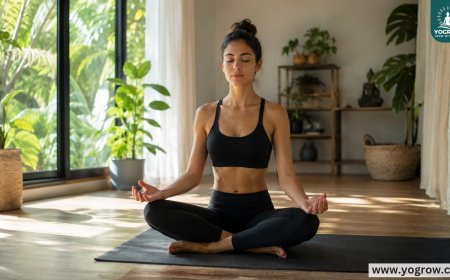
Sit comfortably with your spine straight. Use your right thumb to close your right nostril and inhale deeply through your left nostril. Then close your left nostril with your ring finger, release your right nostril, and exhale. Inhale through your right nostril, close it, and exhale through your left. This completes one cycle.
When:
Best practised early in the morning to energize your day or before sleep to relax your mind.
Why it works:
Nadi Shodhan balances both hemispheres of the brain, purifies energy channels (nadis), and enhances oxygen flow. It’s highly effective for anxiety, stress, and emotional imbalance.
2. Ujjayi Pranayama (Victorious Breath)
How:
Close your mouth and gently constrict the back of your throat as if you’re whispering. Inhale and exhale through your nose, maintaining the gentle sound of your breath. Keep your focus on the sound and sensation of your breath in the throat and chest.
When:
Ideal during yoga sessions or meditation. You can also use it anytime you feel stressed or distracted.
Why it works:
Ujjayi slows the breathing rate, activates your parasympathetic nervous system, and promotes relaxation. It enhances mindfulness and concentration, making it perfect for mental clarity.
3. Kapalabhati Pranayama (Skull Shining Breath)
How:
Sit with a straight spine and take a deep breath in. Forcefully exhale through your nose by contracting your lower abdomen. The inhalation will be passive and automatic. Repeat this rhythmic breathing rapidly (start with 20–30 strokes per round).
When:
Practise in the morning on an empty stomach. Avoid during pregnancy, menstruation, or if you have high blood pressure or heart conditions.
Why it works:
Kapalabhati detoxifies your lungs, energizes your body, and enhances mental alertness. It stimulates your abdominal organs, improving digestion and metabolism.
To explore more about practical breathing methods, check out this guide on pranayama breathing exercises.
How to Get Started with Pranayama
If you’re new to pranayama, begin slowly and stay consistent. Here’s a simple routine you can try:
-
Find a Quiet Space: Sit comfortably with your spine straight and shoulders relaxed.
-
Start with Awareness: Observe your natural breath for a few minutes without changing it.
-
Add Gentle Control: Begin with Nadi Shodhan or Ujjayi for 5 minutes each.
-
Stay Consistent: Practise daily, preferably at the same time each day.
-
Combine with Yoga Postures: Pair your breathing with gentle yoga poses for deeper results.
Gradually, you’ll notice a shift in your energy, clarity, and overall emotional balance. The key is patience and mindfulness — pranayama is not about perfection, but awareness.
Conclusion: Breathe Deep, Live Fully
Your breath is your life force — it fuels your body, calms your mind, and connects you with your true self. Through pranayama, you can learn to control this energy and use it as a tool for healing and transformation.
Whether you want to reduce stress, improve focus, or enhance your spiritual connection, pranayama offers a path to a calmer, healthier life. So take a deep breath, slow down, and discover the peace within you.
Explore more about the spiritual side of yoga and self-awareness in Yoga and Spiritual Awakening: The Hidden Power of Ancient Postures , and keep growing with Yogrow — your guide to mindful living.
What's Your Reaction?
 Like
0
Like
0
 Dislike
0
Dislike
0
 Love
0
Love
0
 Funny
0
Funny
0
 Angry
0
Angry
0
 Sad
0
Sad
0
 Wow
0
Wow
0