
Why Your Breath Matters More Than You Think in Yoga Practice !
Discover why breathwork in yoga classes matters. Learn its benefits, techniques, and how mindful breathing transforms your practice and well-being.

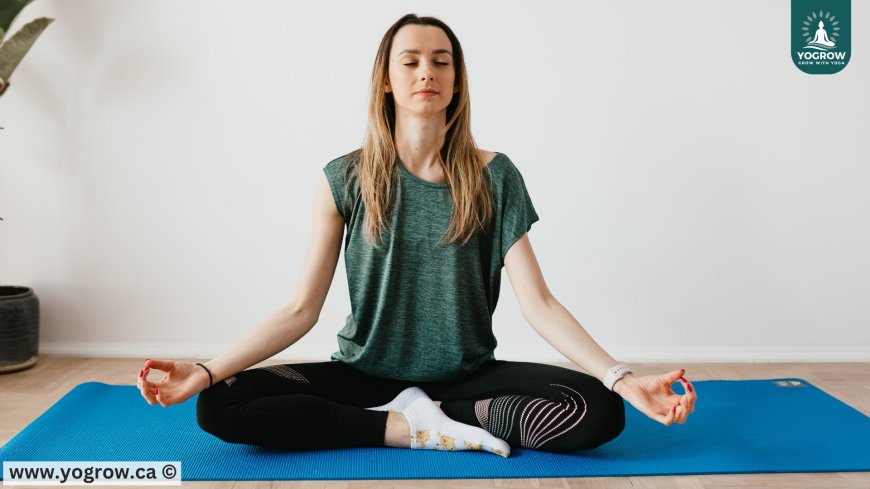
Breathwork in yoga classes is more than just inhaling and exhaling—it’s the foundation of every pose, movement, and meditation. Your breath matters because it connects your body and mind, influences how your nervous system responds, and helps unlock the true benefits of yoga. In today’s fast-paced world, where stress and distractions are constant, learning how to breathe consciously during yoga can transform not only your practice but your overall well-being.
The Significance of Breathwork in Yoga
1. Breath Aligns Mind and Body
One of the greatest benefits of breathwork is its ability to synchronize your mind and body. Conscious breathing creates a rhythm that guides your movements, making each posture flow naturally. According to Sampoorna Yoga, this harmony helps oxygenate muscles, relax the body, and bring focus to the present moment. Without awareness of breath, yoga becomes just a set of physical stretches, but with breath, it becomes a moving meditation.
2. Enhances Stress Relief and Mental Clarity
Deep, rhythmic breathing signals your nervous system to relax. This reduces stress hormones and promotes calmness. In fact, even a few minutes of intentional breathing can significantly reduce tension. For instance, our guide on calming your mind in just 4 minutes with a simple breathing trick shows how accessible stress relief can be with breathwork. Incorporating this into yoga magnifies the calming effect, creating a powerful antidote to modern stress.
3. Improves Physical Performance and Endurance
Breath fuels your body with oxygen, which is essential for stamina and strength. When practicing yoga, controlled breathing supports better balance, flexibility, and endurance. By engaging in breathwork, you allow deeper stretches without strain, improve circulation, and increase energy levels. Athletes often adopt pranayama techniques to enhance lung capacity and performance—a clear sign of breathwork’s impact beyond the yoga mat.
4. Deepens Emotional Awareness
Breath is directly linked to emotions. Shallow breathing often accompanies anxiety or fear, while deep breathing encourages feelings of peace and safety. During yoga practice, becoming aware of your breath can help you tune into your emotions, release tension, and practice mindfulness. This awareness fosters inner growth and resilience, making yoga a tool not only for fitness but also for emotional balance.


5. Unlocks the Spiritual Dimension of Yoga
Beyond physical and mental benefits, breathwork connects you to the spiritual roots of yoga. In traditional practice, pranayama is seen as the bridge between the physical body and the deeper self. It cultivates presence, grounding, and awareness of the life force (prana) within. For many practitioners, mastering the breath is the key to experiencing yoga as more than exercise—it becomes a pathway to self-realization.
Practical Steps to Incorporate Breathwork in Yoga
Learning to control your breath may feel challenging at first, but with practice, it becomes natural. Here’s a step-by-step guide to help you integrate breathwork into your yoga practice:
Step 1: Begin with Awareness
Start by simply noticing your breath at the beginning of class. Observe whether it’s shallow, deep, fast, or slow. Without judgment, bring your attention to each inhale and exhale. Awareness alone builds the foundation for conscious breathing.
Step 2: Match Movement with Breath
In most yoga styles, movement follows the breath. For example, inhale as you lift into upward movements and exhale as you fold or twist. Matching movement to breath enhances flow and keeps your mind present. Yoga International emphasizes that this coordination makes postures more effective and reduces unnecessary tension.
Step 3: Practice Basic Pranayama
Begin with simple techniques like:
-
Ujjayi Breath (Victorious Breath): Inhale and exhale through the nose while gently constricting the throat, creating an ocean-like sound. This builds focus and heat in the body.
-
Box Breathing: Inhale for four counts, hold for four, exhale for four, hold again for four. This balances energy and calms the mind.

-
Alternate Nostril Breathing (Nadi Shodhana): Inhale through one nostril, exhale through the other, alternating sides. This balances both hemispheres of the brain and improves concentration.


Step 4: Use Breath to Manage Difficult Poses
When holding a challenging posture, focus on steady breathing instead of the discomfort. Deep inhales bring oxygen and energy, while long exhales release tension. This technique allows you to stay calm and stable even in demanding asanas.
Step 5: End with Breath Awareness in Savasana
Finish your yoga practice with mindful breathing in savasana. Allow your body to fully relax and notice how your breath has changed since the start of class. This closing practice integrates physical, mental, and emotional benefits, leaving you with a deep sense of peace.
Breathwork in yoga classes is not just an accessory—it’s the essence of the practice. By aligning breath with movement, you experience deeper relaxation, better performance, emotional balance, and even spiritual connection. If you’re looking to start small, explore our quick guide on calming your mind in just 4 minutes with breathwork.
Your yoga journey begins with a single inhale. The next time you step onto your mat, let your breath guide you toward mindfulness, strength, and peace. Ready to go deeper? Explore more blogs on Yogrow.ca and discover how conscious breathing can transform not only your yoga practice but your everyday life.
What's Your Reaction?
 Like
0
Like
0
 Dislike
0
Dislike
0
 Love
0
Love
0
 Funny
0
Funny
0
 Angry
0
Angry
0
 Sad
0
Sad
0
 Wow
0
Wow
0