

PCOD Relief Starts Here: Simple Yoga for Mind-Body Healing
Discover how yoga for PCOD improves hormones, reduces stress, and strengthens mind-body balance with practical steps and expert-backed insights.

Yoga for PCOD is emerging as a powerful, natural approach to restoring hormonal balance and improving overall well-being in women. In today’s fast-paced lifestyle, conditions like PCOD (Polycystic Ovarian Disorder) are increasingly common due to stress, inactivity, and dietary imbalance. Beyond physical symptoms, PCOD deeply affects emotional health and mental clarity. This is where yoga becomes transformative—not just as exercise, but as a mind-body healing practice. By combining breathwork, movement, and mindfulness, yoga helps regulate hormones, reduce stress, and rebuild inner balance naturally.
Significance of Yoga for PCOD
PCOD is not just a reproductive condition; it is a metabolic and hormonal imbalance influenced heavily by lifestyle and stress levels. Yoga addresses these root causes holistically rather than just treating symptoms.
1. Helps Regulate Hormonal Imbalance Naturally
One of the core benefits of yoga for PCOD is its ability to support endocrine function. Regular yoga practice stimulates glands such as the thyroid, pituitary, and adrenal glands, which play a key role in hormone regulation. According to research published by the National Center for Biotechnology Information (NCBI), yoga-based interventions can positively influence hormonal balance and reduce PCOS-related symptoms such as irregular cycles and weight gain.
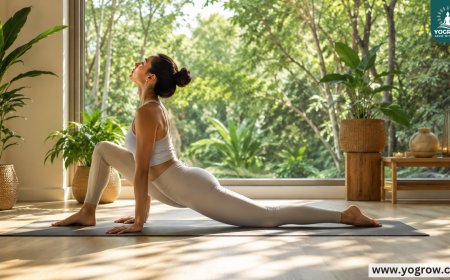
Yoga practices like Surya Namaskar, Bhujangasana, and Setu Bandhasana are particularly effective in improving blood circulation to the pelvic region, supporting reproductive health.


For a deeper understanding of targeted yoga poses, you can explore this guide:
Yoga for PCOD: 10 Powerful Moves to Restore Hormonal Balance Naturally
2. Reduces Stress and Cortisol Levels
Stress is one of the biggest contributors to PCOD symptoms. High cortisol levels can worsen insulin resistance and disrupt ovulation cycles. Yoga activates the parasympathetic nervous system, which helps calm the body and reduce stress hormones.
A study by Harvard Health Publishing highlights that mind-body practices like yoga significantly reduce stress, anxiety, and depression while improving emotional regulation.
Breathing techniques such as Anulom Vilom and Bhramari Pranayama are especially helpful in calming the nervous system and stabilizing mood swings often associated with PCOD.
3. Improves Insulin Sensitivity and Weight Management
Many women with PCOD struggle with insulin resistance, leading to weight gain and difficulty losing fat. Yoga helps improve glucose metabolism and enhances insulin sensitivity naturally.
Gentle yet consistent movement through yoga increases muscle activity and supports fat metabolism without stressing the body. Unlike intense workouts, yoga offers a sustainable approach to weight management, which is essential for long-term PCOD control.
Practices like dynamic vinyasa flows or power yoga can be particularly beneficial when combined with mindfulness and breath control.


4. Enhances Emotional Balance and Mental Clarity
PCOD often affects emotional health, leading to mood swings, anxiety, and low confidence. Yoga plays a crucial role in restoring emotional stability through mindfulness and meditation.
Meditation practices improve focus, reduce negative thought patterns, and create a sense of inner calm. According to the World Health Organization (WHO), mental well-being is a critical component of overall health, especially for chronic lifestyle conditions.
By regularly practicing yoga, individuals develop a stronger mind-body connection, allowing them to better understand their body’s signals and needs.
Practical Steps: How to Practice Yoga for PCOD Effectively
Yoga is most effective when practiced consistently and mindfully. Here is a simple step-by-step guide to help you begin:
Step 1: Start with Gentle Warm-Up (5–10 minutes)
Begin with light stretches to activate blood flow. Neck rolls, shoulder rotations, and cat-cow stretches prepare your body for deeper poses.
Step 2: Practice PCOD-Specific Yoga Asanas (15–25 minutes)
Focus on poses that support hormonal balance and reproductive health:
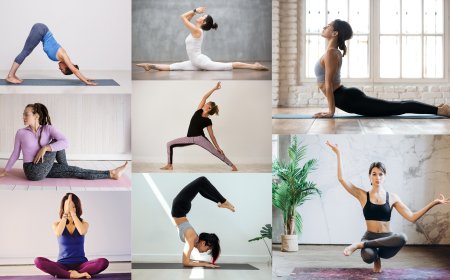
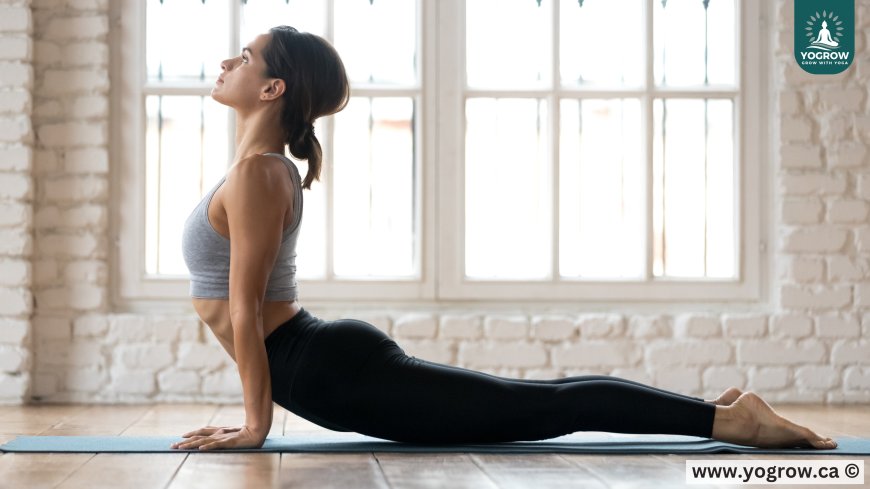
- Bhujangasana (Cobra Pose)
- Setu Bandhasana (Bridge Pose)
- Dhanurasana (Bow Pose)
- Malasana (Garland Pose)
For a structured routine, follow this guided resource:
Low Energy with PCOS: 15 Minutes of Yoga That Can Transform Your Day
Step 3: Include Pranayama (10 minutes)
Breathing techniques are essential for balancing hormones and calming the nervous system:
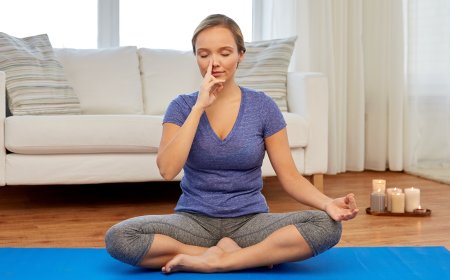
- Anulom Vilom (Alternate Nostril Breathing)
- Bhramari (Humming Bee Breath)
- Deep diaphragmatic breathing
These practices help reduce stress hormones and improve oxygen flow in the body.
Step 4: End with Meditation (5–10 minutes)
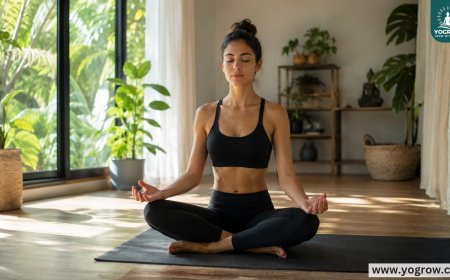
Sit in a comfortable position and focus on your breath. Let thoughts come and go without resistance. This helps improve emotional regulation and strengthens the mind-body connection.
Step 5: Maintain Consistency
Consistency is more important than intensity. Practicing yoga for 20–40 minutes daily can gradually improve hormonal health, energy levels, and emotional stability.
Yoga for PCOD is more than just physical exercise—it is a complete mind-body healing practice that supports hormonal balance, reduces stress, and improves emotional well-being naturally. By integrating yoga into your daily routine, you can take meaningful steps toward long-term wellness and better quality of life.
To continue your journey, explore more practical yoga routines designed specifically for PCOD and low energy conditions here:
Low Energy with PCOS: 15 Minutes of Yoga That Can Transform Your Day
Start your wellness journey today, stay consistent, and allow your body and mind to heal naturally through the power of yoga.
What's Your Reaction?
 Like
0
Like
0
 Dislike
0
Dislike
0
 Love
0
Love
0
 Funny
0
Funny
0
 Angry
0
Angry
0
 Sad
0
Sad
0
 Wow
0
Wow
0