

Yoga for PCOD: 10 Powerful Moves to Restore Hormonal Balance Naturally
Discover yoga for PCOD and how mindful movement supports hormonal balance, reduces stress, and improves menstrual health naturally.

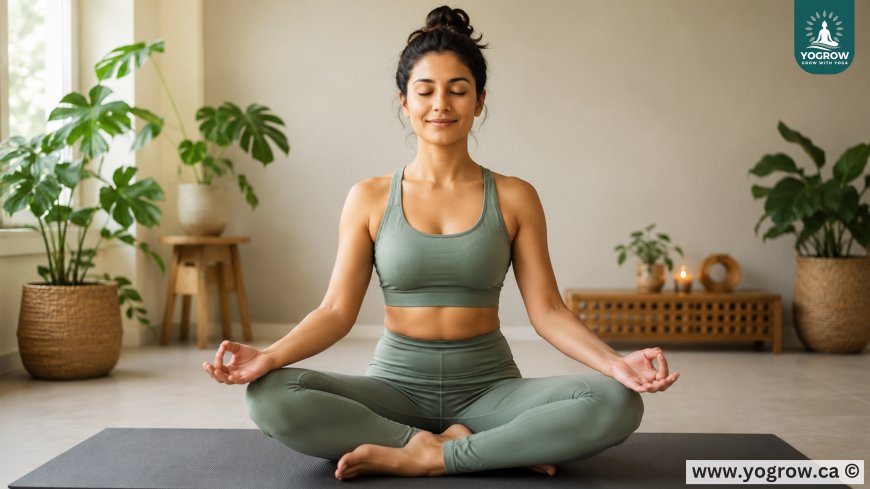
Yoga for PCOD has become one of the most effective natural approaches to supporting hormonal balance and improving overall well-being in women. In today’s fast-paced lifestyle, many women struggle with irregular cycles, stress, weight fluctuations, and hormonal imbalances associated with PCOD.
Practicing yoga for PCOD helps create harmony between the body and mind through mindful movement, breathing techniques, and relaxation. This holistic approach not only supports physical health but also improves emotional stability, making it a sustainable lifestyle practice rather than a temporary solution.
Benefits of Yoga for PCOD
Yoga is not just physical exercise; it is a therapeutic practice that works on endocrine balance, stress reduction, and metabolic health. Below are some of the most important benefits of practicing yoga for PCOD regularly.
1. Supports Hormonal Balance Naturally


One of the biggest challenges in PCOD is hormonal imbalance, which affects menstrual cycles, mood, and metabolism. Yoga helps stimulate endocrine glands such as the ovaries, thyroid, and adrenal glands, encouraging better hormonal regulation.
Certain yoga poses improve blood circulation to the pelvic region and reduce inflammation, which may support better reproductive health. According to expert wellness insights, consistent practice of targeted yoga poses can positively influence hormonal activity and reproductive function.
You can explore more guided poses here: PCOD Yoga Poses for Hormonal Harmony and Reproductive Health Guide.
By combining movement with breathwork, yoga helps restore internal balance, making it a powerful supportive practice for PCOD management.
2. Reduces Stress and Cortisol Levels
Stress is one of the major contributors to PCOD symptoms. High cortisol levels can worsen hormonal imbalance and lead to fatigue, anxiety, and weight gain.
Yoga activates the parasympathetic nervous system, which helps the body shift into a relaxed state. Practices such as deep breathing (pranayama) and meditation calm the mind and reduce stress hormones.
For a deeper understanding of how yoga supports emotional wellness and hormone balance, you can read this detailed guide: Hormone Balancing Yoga Guide for Women’s Wellness and PCOD Support.


Regular practice helps create emotional stability, which is essential for managing PCOD effectively in the long term.
3. Improves Menstrual Regularity
Women with PCOD often experience irregular or missed periods due to hormonal disruption. Yoga helps regulate the menstrual cycle by improving blood flow and reducing tension in the pelvic area.
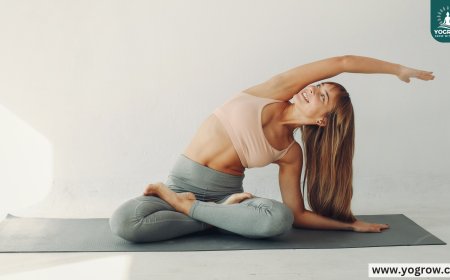
Gentle twisting poses and hip-opening asanas encourage better circulation to reproductive organs. This can help the body restore a more consistent cycle over time.
Yoga also supports detoxification by stimulating the lymphatic system, which plays a role in hormone regulation. When practiced consistently, it may help the body function more efficiently and naturally.
4. Aids in Weight Management and Metabolism
Weight gain is a common concern in PCOD due to insulin resistance and hormonal imbalance. Yoga supports metabolic health by improving digestion, enhancing muscle tone, and promoting mindful eating habits.
Unlike high-intensity workouts, yoga focuses on sustainable movement that reduces stress while supporting fat metabolism. Certain poses also stimulate abdominal organs, which can improve digestive efficiency.
A balanced yoga practice encourages consistency rather than extreme exertion, making it suitable for long-term weight management in PCOD.
5. Enhances Energy Levels and Reduces Fatigue
Fatigue is another common symptom experienced by women with PCOD. Hormonal fluctuations often lead to low energy, lack of motivation, and mood swings.
Yoga helps increase oxygen flow in the body through controlled breathing and gentle stretching. This improves energy circulation and reduces sluggishness.
Over time, practitioners often notice improved stamina, mental clarity, and emotional balance, making daily activities easier to manage.
Practical Steps: How to Practice Yoga for PCOD Effectively
To get the most benefit from yoga for PCOD, consistency and proper technique are essential. Below is a simple step-by-step guide to help you build a sustainable practice.
Step 1: Start with Gentle Warm-Up and Breathing
Begin your practice with slow breathing exercises such as deep belly breathing or alternate nostril breathing. This helps calm the nervous system and prepares the body for movement.
Spend at least 5–10 minutes focusing on breath awareness before starting physical poses. This improves mindfulness and reduces stress levels.
Step 2: Focus on PCOD-Supportive Yoga Poses
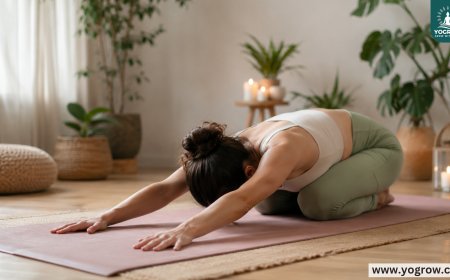
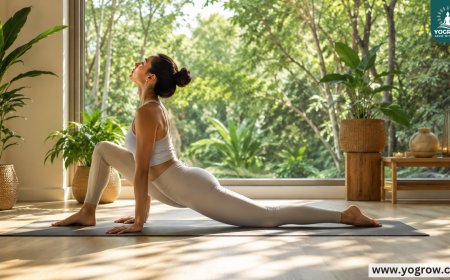
Include gentle, restorative, and hormone-balancing poses in your routine. These may include hip openers, forward bends, and gentle twists.
For structured guidance and scientifically aligned practices, refer to this expert resource on holistic PCOD yoga approaches: Holistic Yoga Practices for PCOD and PCOS Lifestyle Support.
These practices help improve circulation, support endocrine health, and promote relaxation.
Step 3: Include Relaxation and Meditation
After physical movement, always end your practice with relaxation techniques such as Shavasana (corpse pose). This allows the body to absorb the benefits of yoga fully.
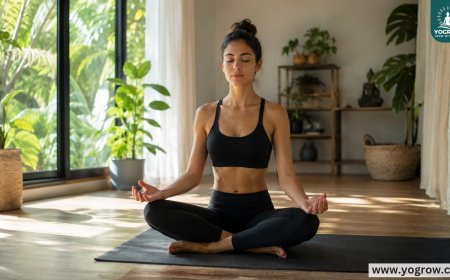
Meditation for 5–10 minutes helps reduce mental stress and improves emotional balance. This step is crucial for hormonal stability.
Step 4: Stay Consistent with a Routine
Consistency is more important than intensity. Practicing yoga for 20–30 minutes daily can produce better results than occasional long sessions.
Try to create a fixed schedule, preferably in the morning, when the body is naturally more receptive to healing practices.
Step 5: Combine Yoga with Healthy Lifestyle Habits
Yoga works best when combined with a balanced lifestyle. Focus on:
- Nutritious, whole foods
- Adequate sleep
- Hydration
- Stress management techniques
These habits enhance the effectiveness of yoga for PCOD and support overall well-being.
Yoga for PCOD offers a gentle yet powerful way to support hormonal balance, reduce stress, and improve overall health. Through mindful movement, breath awareness, and consistent practice, women can experience better physical and emotional well-being.
To explore more structured practices and deepen your understanding of hormonal wellness, you can read this detailed guide on menstrual health and yoga routines: Yoga Routine for Irregular Periods and Natural Cycle Balance Guide.
At Yogrow, we believe in empowering women through holistic wellness practices that support long-term health. Start your yoga journey today, explore our wellness blogs, or subscribe to Yogrow.ca for more expert-backed yoga guides designed for hormonal health and balanced living.
What's Your Reaction?
 Like
0
Like
0
 Dislike
0
Dislike
0
 Love
0
Love
0
 Funny
0
Funny
0
 Angry
0
Angry
0
 Sad
0
Sad
0
 Wow
0
Wow
0