

Power Yoga or Hatha Yoga? Find Out Which Practice Suits You Better
Discover the key differences between Power Yoga and Hatha Yoga. Learn benefits, techniques, and which style suits your fitness and wellness goals.

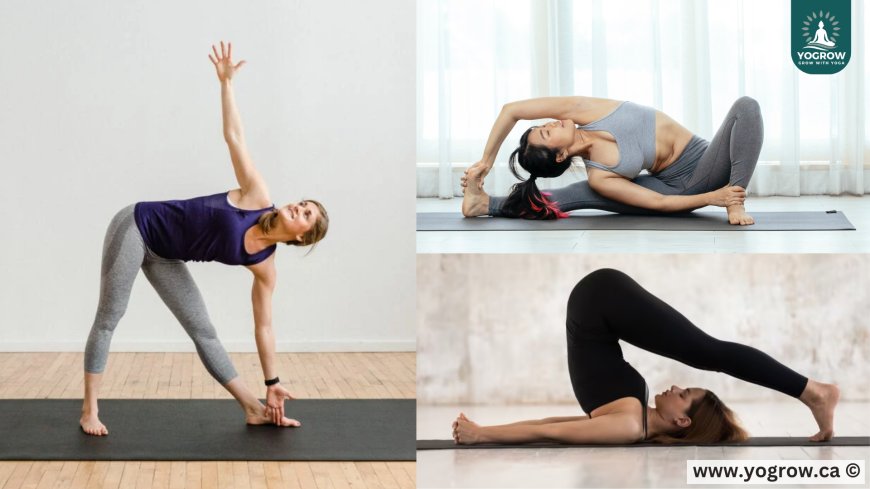
Yoga has become a cornerstone of modern wellness, offering a path to physical fitness, mental clarity, and emotional balance. Among the many styles, Power Yoga and Hatha Yoga are two of the most popular, yet they cater to different fitness levels and personal goals. Choosing the right style can impact your health journey significantly. In this guide, we’ll explore the benefits of both, helping you decide which class aligns with your lifestyle and wellness objectives.
Benefits of Power Yoga vs. Hatha Yoga
Both Power Yoga and Hatha Yoga offer unique advantages. Understanding their differences can help you select a practice that matches your needs.
1. Physical Fitness & Strength
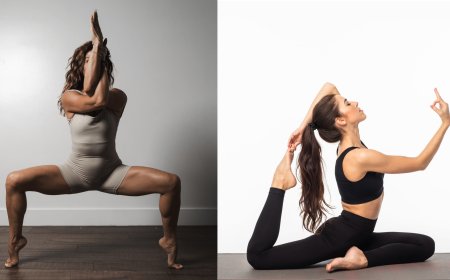
Power Yoga is a dynamic, fast-paced practice that emphasizes strength, flexibility, and stamina. The sequences are physically demanding, often incorporating challenging poses and continuous movement. This makes it ideal for those looking to burn calories, tone muscles, and boost energy. Studies suggest that active yoga styles like Power Yoga can improve cardiovascular health and muscular endurance Body by Yoga .
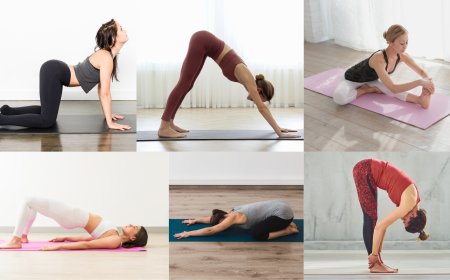
On the other hand, Hatha Yoga is slower and focuses on holding poses with proper alignment, making it suitable for beginners or individuals seeking a low-impact strength-building routine Hatha Yoga: Strength, Serenity, and Balance .
2. Mental Clarity & Stress Relief
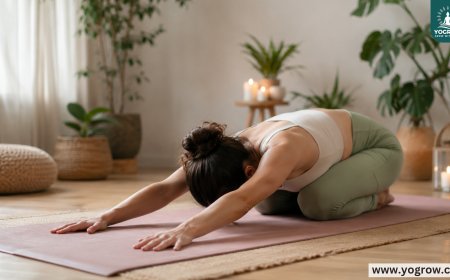
Hatha Yoga prioritizes mindfulness, controlled breathing, and meditation techniques, helping practitioners achieve deep relaxation and stress reduction. The gentle flow allows time to focus on each movement, fostering mental clarity and emotional balance.


Power Yoga also aids in stress relief, but its vigorous pace primarily energizes the mind rather than calming it. Integrating meditation after a Power Yoga session can complement its physical benefits with mental peace Hot Yoga Inc.
3. Flexibility & Mobility
Hatha Yoga enhances flexibility gradually by holding poses and stretching muscles methodically. Its slower approach allows the body to adapt safely, reducing the risk of injury while improving joint mobility.
Power Yoga, while also increasing flexibility, challenges the body through more dynamic sequences. It can lead to faster improvements in overall mobility for those already physically active. Both styles are valuable, but your current fitness level will determine the pace at which flexibility is gained.
4. Adaptability for All Levels
Hatha Yoga’s slower approach makes it accessible to beginners, seniors, and individuals recovering from injuries. It provides a solid foundation for learning proper alignment and breathing techniques, which can later enhance more advanced practices like Power Yoga.
Power Yoga is more suitable for those with a baseline of fitness or prior yoga experience. Beginners may find the pace challenging, but with guidance, it can accelerate strength and endurance development Body by Yoga .
5. Weight Management & Energy Boost
Power Yoga is effective for weight management due to its continuous movement and calorie-burning potential. It also boosts metabolism and energy levels, making it ideal for individuals looking for a high-intensity wellness routine. Hatha Yoga may not burn as many calories but promotes long-term well-being, balance, and mindful eating habits Hot Yoga Inc.
Practical Steps to Choose Your Yoga Class
Selecting between Power Yoga and Hatha Yoga can be guided by your goals, fitness level, and preferences. Here’s a step-by-step approach:


Step 1: Identify Your Primary Goal
Decide whether your focus is physical fitness, stress relief, flexibility, or overall wellness. Power Yoga targets strength and calorie burn, while Hatha Yoga emphasizes mindfulness and gentle flexibility.
Step 2: Assess Your Current Fitness Level
Beginners or individuals with physical limitations may benefit from Hatha Yoga’s slower pace. Those seeking a vigorous workout should explore Power Yoga classes Hot Yoga Inc.
Step 3: Try a Trial Class
Many studios offer introductory sessions. Experiencing both styles firsthand can help you determine which aligns with your energy levels and personal preferences.
Step 4: Consider Your Schedule & Commitment
Power Yoga sessions may require more physical energy and recovery time. Hatha Yoga can be incorporated more flexibly into daily routines, making it suitable for busy schedules.
Step 5: Gradually Integrate Both Styles
For a balanced practice, some individuals alternate between Hatha Yoga and Power Yoga. This approach blends strength, flexibility, and mindfulness for comprehensive wellness Power Yoga Moves That Burn Calories .
Choosing between Power Yoga and Hatha Yoga ultimately depends on your fitness goals, lifestyle, and personal preferences. Power Yoga is ideal for dynamic workouts and calorie burning, while Hatha Yoga excels in promoting flexibility, stress relief, and foundational alignment. By understanding their benefits and trying out classes, you can select a practice that nurtures both body and mind.
Ready to deepen your yoga journey? Explore more on Hatha Yoga for Strength, Serenity, and Balance and find a class that suits your goals today. Don’t forget to leave a comment sharing your favorite style or subscribe for more yoga insights!
What's Your Reaction?
 Like
0
Like
0
 Dislike
0
Dislike
0
 Love
0
Love
0
 Funny
0
Funny
0
 Angry
0
Angry
0
 Sad
0
Sad
0
 Wow
0
Wow
0