

10 Yoga Poses That Instantly Improve Spine Flexibility and Posture
Discover how yoga for a healthy spine improves posture, flexibility, and back strength. Learn 10 effective yoga poses to relieve stiffness and support spinal health.

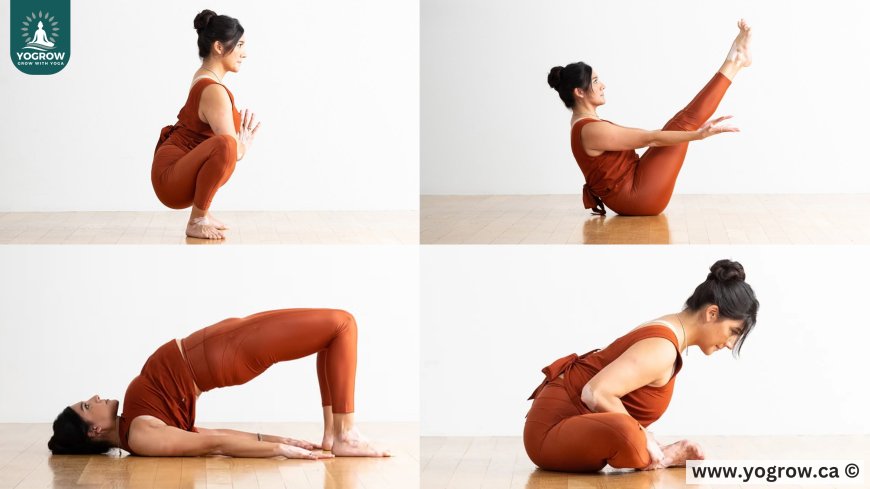
Waking up with a stiff back, struggling to bend forward, or feeling constant tightness in your spine has become increasingly common in today’s sedentary lifestyle. Yoga for a healthy spine offers a natural, effective way to restore flexibility, improve posture, and strengthen the muscles that support your back. With long hours of sitting, poor posture, and limited movement, spinal health is often neglected—leading to discomfort, reduced mobility, and chronic pain. Practicing targeted yoga poses helps decompress the spine, increase mobility, and build balanced strength, allowing you to move freely and live pain-free.
Benefits of Yoga for a Healthy Spine
Improves Spinal Flexibility and Mobility
One of the most important benefits of yoga for a healthy spine is improved flexibility. The spine is designed to move in multiple directions—forward bending (flexion), backward bending (extension), twisting (rotation), side bending (lateral flexion), and axial extension. When these movements are restricted due to inactivity, stiffness and discomfort set in. Regular yoga practice ensures that the spine moves through all these ranges safely and effectively. According to experts at Shvasa, consistent spinal movements through yoga postures significantly improve back flexibility and reduce stiffness over time.
Source: https://www.shvasa.com/yoga-blog/10-yoga-poses-for-back-flexibility .
Enhances Posture and Spinal Alignment
Poor posture is one of the leading causes of chronic back pain. Yoga helps retrain the body to maintain proper alignment by strengthening postural muscles and increasing awareness of spinal positioning. Standing poses, twists, and gentle backbends encourage elongation of the spine and correction of slouched shoulders. When posture improves, pressure on spinal discs decreases, reducing the risk of long-term damage. To understand how alignment impacts daily movement, explore this helpful guide on the power of alignment in yoga and everyday movement.
Source: https://yogrow.ca/blog/the-power-of-alignment-transform-your-yoga-practice-and-everyday-movement-yogrow.
Strengthens the Core and Back Muscles
Flexibility alone isn’t enough for a healthy spine—strength is equally important. Yoga poses that engage the core help stabilize the spine and support healthy movement patterns. The core and back work together; when one is weak, the other suffers. Back-strengthening poses like Cobra and Locust improve muscular endurance, protect the lower back, and enhance spinal resilience. A strong core also prevents unnecessary strain during everyday activities such as lifting, bending, or prolonged sitting.
Reduces Back Pain and Muscle Tension
Yoga offers a gentle yet powerful way to release tension stored in the back muscles. Slow, mindful movements combined with conscious breathing relax tight areas and improve circulation around the spine. Twists help wring out tension, forward bends calm the nervous system, and backbends energize the spinal muscles. Research-backed yoga practices, such as those shared by Yoga Vidya Mandiram, highlight yoga’s role in reducing back pain while restoring spinal balance. Source: https://yogavidyamandiram.com/yoga-for-a-healthy-spine-poses-to-reduce-back-pain/ .


Supports Overall Physical and Mental Well-Being
A healthy spine directly influences your overall health. When spinal mobility improves, energy flows more freely through the body, improving circulation, digestion, and breathing. Additionally, yoga’s mindful approach reduces stress, which is a major contributor to muscular tension and back pain. A calm mind and relaxed nervous system allow the spine to function optimally, promoting long-term wellness.
10 Yoga Poses for Back Flexibility
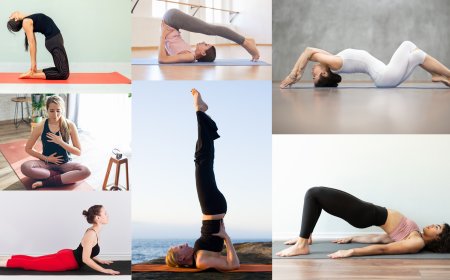
Below are beginner-to-intermediate yoga poses that cover all five spinal movements. Practicing them regularly helps maintain spinal health and flexibility.
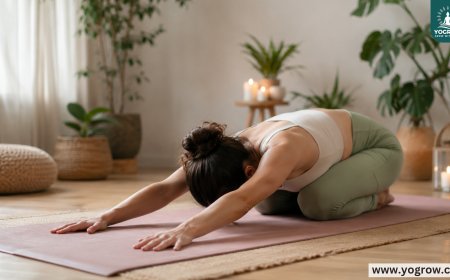
1. Child’s Pose (Balasana)
Child’s Pose is a gentle forward bend that stretches the spine and relieves tension in the lower back. This flexion movement calms the nervous system and promotes deep relaxation.
How to do it:
From Vajrasana, bend forward and rest your forehead on the mat. Extend your arms forward or place them beside your body. Breathe deeply and relax for a few minutes before slowly coming up.
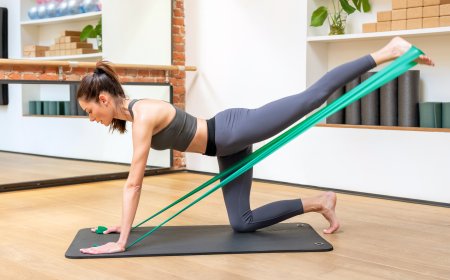
2. Cat-Cow Pose (Marjariasana)
This dynamic movement alternates between spinal flexion and extension, improving posture and spinal mobility while warming up the back.
How to do it:
Come onto all fours. Inhale as you drop the belly and lift the chest (Cow). Exhale as you round the spine and tuck the chin (Cat). Repeat for several breaths.
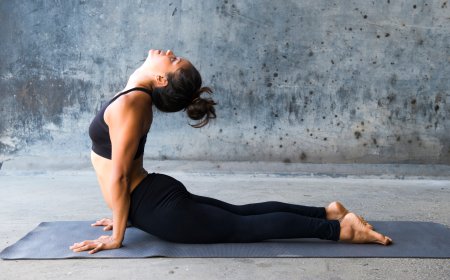
3. Cobra Pose (Bhujangasana)
Cobra Pose strengthens the spine, improves posture, and releases stiffness in the back and shoulders through controlled spinal extension.


How to do it:
Lie on your stomach, place palms near the shoulders, and gently lift the chest using back muscles. Keep the pelvis grounded and breathe steadily.
4. Locust Pose (Shalabhasana)
Locust Pose targets deep back muscles and improves spinal strength, especially in the lower and upper back.
How to do it:
Lie face down with arms beside the body. Inhale and lift the chest, arms, and legs off the ground. Hold while engaging the core and breathing smoothly.
5. Easy Spinal Twist (Vakrasana)
This seated twist provides rotational movement to the spine, relieving stiffness and improving flexibility.
How to do it:
Sit with legs extended, bend one knee, and twist gently toward the bent knee while keeping the spine tall. Repeat on both sides.
6. Half Lord of the Fishes Pose (Ardha Matsyendrasana)
A deeper twist, this pose enhances spinal mobility, strengthens the back, and improves digestion.
How to do it:
Sit upright, cross one leg over the other, and twist toward the raised knee while maintaining spinal alignment.
7. Triangle Pose (Trikonasana)
Triangle Pose offers a lateral stretch that strengthens and lengthens the spine while improving balance.
How to do it:
Stand wide, reach one hand down toward the shin or floor, and extend the opposite arm upward while keeping the chest open.
8. Gate Pose (Parighasana)
This kneeling side bend stretches the sides of the spine and strengthens back muscles.
How to do it:
Kneel, extend one leg to the side, and bend laterally while reaching the opposite arm overhead.
9. Downward-Facing Dog (Adho Mukha Asana)
This pose provides axial extension, lengthening the spine and relieving tension throughout the back.
How to do it:
From all fours, lift the hips, straighten the legs, and press the hands firmly into the mat. Breathe deeply.
10. Mountain Pose (Tadasana)
A simple yet powerful posture that improves posture, alignment, and spinal length.
How to do it:
Stand tall with feet grounded, raise arms overhead, lengthen the spine, and maintain steady breathing.
Maintaining a healthy spine is essential for pain-free movement, better posture, and overall well-being. Yoga for a healthy spine strengthens the back, improves flexibility, and restores natural mobility through mindful movement and breath awareness. By practicing these poses regularly, you can prevent stiffness, reduce discomfort, and support long-term spinal health. For additional guidance on relieving back tension, explore this blog on back relief yoga poses to loosen tight muscles. source: https://yogrow.ca/blog/back-relief-yoga-7-simple-poses-to-loosen-tight-muscles-fast-yogrow .
Ready to deepen your practice? Subscribe to Yogrow, book an online yoga session, or explore more expert-led yoga blogs to support your spine and overall wellness.
What's Your Reaction?
 Like
0
Like
0
 Dislike
0
Dislike
0
 Love
0
Love
0
 Funny
0
Funny
0
 Angry
0
Angry
0
 Sad
0
Sad
0
 Wow
0
Wow
0