
Beginner Yoga Made Easy: A Routine Anyone Can Follow
Discover a beginner-friendly yoga routine that improves flexibility, reduces stress, and boosts energy with simple daily yoga practices for all levels.

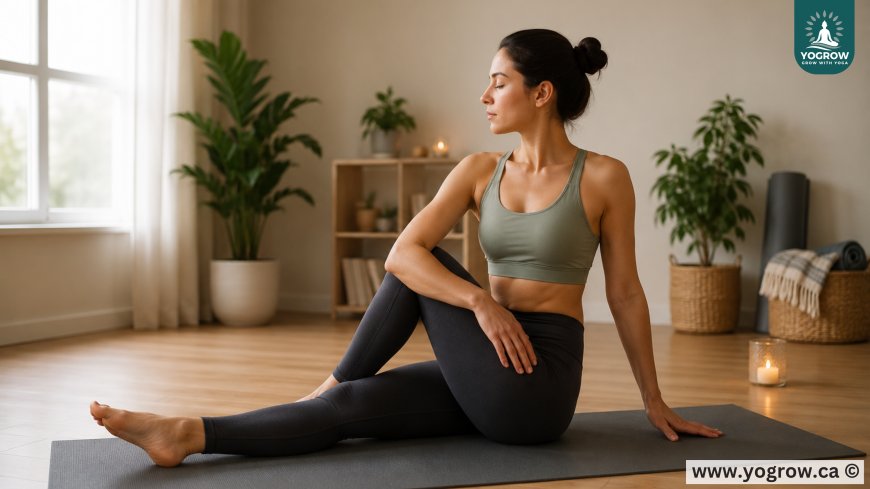
Starting a yoga journey can feel overwhelming, especially when many routines seem too advanced or time-consuming. The good news is that this beginner-friendly yoga routine works for anyone, regardless of age, flexibility, or fitness level. Yoga has become one of the most effective ways to improve both physical and mental wellness, helping people reduce stress, increase mobility, and create healthier daily habits.
Whether you want more energy in the morning, better posture, or a calmer mind after a busy day, beginner yoga offers a simple and sustainable solution. With just a few easy poses and mindful breathing techniques, you can build a routine that fits naturally into your lifestyle and supports long-term wellness.
Benefits of This Beginner-Friendly Yoga Routine
Improves Flexibility and Mobility
One of the biggest benefits of beginner yoga is improved flexibility. Many people spend hours sitting at desks, driving, or using phones, which creates tight muscles and stiffness throughout the body. A gentle yoga routine helps release tension and improves overall mobility without intense workouts.

Simple poses like Cat-Cow, Child’s Pose, and Downward Dog gradually stretch the muscles while improving circulation. Over time, these movements help increase range of motion and reduce discomfort in areas like the neck, shoulders, and lower back.
According to Healthline’s morning yoga routine guide, regular yoga practice can improve flexibility, posture, and body awareness while supporting overall physical health.
If you are completely new to yoga, exploring a 10-minute beginner yoga routine for daily wellness can help you ease into a consistent practice without feeling intimidated.
Reduces Stress and Mental Fatigue
Yoga is not only about physical movement. It also helps calm the mind and improve emotional balance. Deep breathing exercises combined with slow, intentional movements encourage relaxation and mindfulness.
Many beginners notice reduced anxiety and improved focus after just a few sessions. Yoga activates the parasympathetic nervous system, which helps the body relax and recover from daily stress.
Practicing yoga regularly may also improve sleep quality and reduce mental fatigue caused by work, school, or daily responsibilities. Even a short 15-minute session can create a noticeable shift in mood and energy levels.

Builds Strength Without Intense Exercise
A common misconception is that yoga is only about stretching. In reality, beginner yoga routines help strengthen muscles throughout the body using controlled bodyweight movements.
Poses like Plank, Warrior I, and Chair Pose engage the core, legs, shoulders, and back muscles. These foundational movements build stability and endurance while remaining accessible to beginners.
Unlike high-impact workouts, yoga allows people to develop strength gradually without putting excessive stress on the joints. This makes it ideal for beginners, older adults, or anyone recovering from physical inactivity.
Encourages Better Posture and Body Awareness
Poor posture has become increasingly common due to long hours spent sitting and using digital devices. Yoga improves posture by strengthening the core and increasing awareness of body alignment.
As you practice regularly, you become more conscious of how you sit, stand, and move throughout the day. Improved posture can reduce neck pain, back tension, and muscle strain caused by daily habits.
Breathing techniques also help improve body awareness, allowing beginners to move more intentionally and avoid unnecessary tension.
Supports Consistency and Healthy Habits
One reason beginner yoga routines are so effective is that they are easy to maintain. You do not need expensive equipment or long workout sessions to experience benefits.
A simple yoga practice can become part of a healthy morning or evening routine, encouraging consistency and long-term wellness habits. Because beginner yoga is adaptable, people are more likely to continue practicing without feeling overwhelmed.
Consistency matters more than intensity when building a sustainable wellness routine, and yoga makes that process approachable for nearly everyone.
Step-by-Step Beginner-Friendly Yoga Routine
Step 1: Start with Deep Breathing
Before beginning physical poses, spend 2–3 minutes focusing on your breath. Sit comfortably, relax your shoulders, and inhale deeply through your nose.
Breathing exercises help calm the nervous system and prepare the mind for movement. Controlled breathing also improves focus and creates a stronger connection between the body and mind.
Try inhaling for four counts and exhaling for four counts while maintaining a steady rhythm.
Step 2: Begin with Gentle Warm-Up Poses
Start slowly to wake up the muscles and joints. Gentle warm-up poses reduce stiffness and prepare the body for deeper movement.
Recommended beginner warm-up poses include:
- Neck rolls
- Shoulder circles
- Cat-Cow stretch
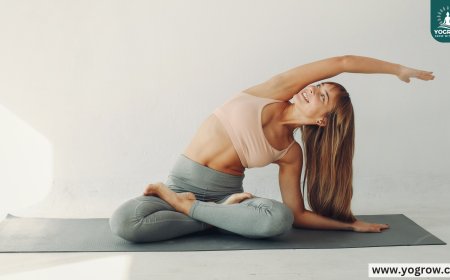
- Seated side stretch
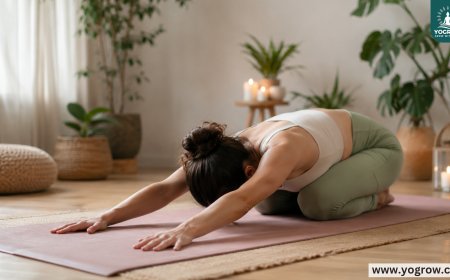
- Child’s Pose
Spend about 30–60 seconds in each movement while breathing slowly and naturally.
Step 3: Practice Foundational Yoga Poses
Once your body feels warm, move into beginner-friendly poses that build flexibility, balance, and strength.
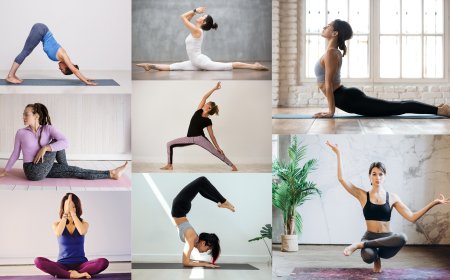
Mountain Pose
Mountain Pose teaches proper posture and grounding. Stand tall with feet together, shoulders relaxed, and arms at your sides. Focus on steady breathing and balanced posture.
Downward Dog
This pose stretches the hamstrings, shoulders, and spine while improving circulation. Beginners can bend their knees slightly if flexibility is limited.
Warrior I
Warrior I strengthens the legs and core while improving balance and stability. Keep your front knee bent and arms extended overhead.
Cobra Pose
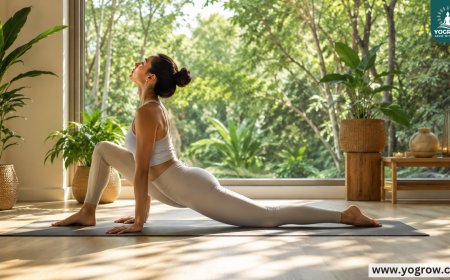
Cobra Pose gently stretches the chest and spine while strengthening the back muscles. Avoid overextending the lower back and focus on controlled movement.
Seated Forward Fold
This calming stretch targets the hamstrings and lower back while encouraging relaxation and mindfulness.
Repeat these poses slowly for 10–15 minutes depending on your comfort level.
Step 4: Focus on Mindful Movement
Yoga is most effective when movements are connected with breath. Instead of rushing through poses, move slowly and pay attention to how your body feels.
Mindful movement helps beginners avoid injury while increasing relaxation and body awareness. It also makes yoga feel less like exercise and more like a complete wellness practice.
Step 5: End with Relaxation
Finish your yoga routine with a few minutes of rest in Savasana, also known as Corpse Pose. Lie flat on your back, close your eyes, and focus on your breathing.
This final relaxation allows the body and mind to absorb the benefits of the practice. Many beginners find this step surprisingly calming and restorative.
Tips for Staying Consistent with Beginner Yoga
Keep Sessions Short and Realistic
You do not need hour-long classes to experience the benefits of yoga. Starting with 10–20 minute sessions makes consistency easier and less intimidating.
Short practices are more sustainable for busy schedules and help beginners develop confidence gradually.
Create a Comfortable Practice Space
A quiet, clutter-free environment can improve focus and relaxation during yoga practice. Use a yoga mat or soft surface and wear comfortable clothing that allows easy movement.
Adding calming music or natural lighting can also enhance the experience.
Listen to Your Body
Yoga should never feel painful or forced. Beginners should move gently and modify poses when necessary.
Every person’s flexibility and strength level is different, so avoid comparing yourself to others. Progress happens naturally with regular practice.
Practice Regularly Instead of Perfectly
Consistency is more important than perfection. Even practicing yoga three times a week can create noticeable improvements in flexibility, energy, and mental clarity.
Building a simple routine that fits your lifestyle will lead to better long-term results than pushing yourself too hard in the beginning.
Why Beginner Yoga Is More Relevant Than Ever
Modern lifestyles often involve high stress, long screen time, and limited physical activity. Beginner yoga provides a simple way to reconnect with the body and improve overall wellness without complicated fitness programs.
Yoga is accessible to people of different ages and fitness levels, making it one of the most inclusive forms of movement available today. Whether practiced at home or in a studio, yoga supports both physical and mental health in a sustainable way.
For people seeking balance, relaxation, and gentle movement, beginner yoga offers a practical solution that can easily become part of daily life.
This beginner-friendly yoga routine works for anyone because it focuses on simple, accessible movements that support both body and mind. From improving flexibility and posture to reducing stress and building strength, yoga offers long-term wellness benefits without requiring advanced skills or intense workouts.
The key is consistency. Starting with a few mindful minutes each day can create meaningful changes in your energy, focus, and overall well-being.
If you want to continue building your yoga journey, explore thiss low yoga practice for balance and relaxation on Yogrow.ca.
Ready to feel stronger, calmer, and more energized? Explore more beginner yoga guides, join a session, and start building a wellness routine that truly works for you.
What's Your Reaction?
 Like
0
Like
0
 Dislike
0
Dislike
0
 Love
0
Love
0
 Funny
0
Funny
0
 Angry
0
Angry
0
 Sad
0
Sad
0
 Wow
0
Wow
0