
This Slow Yoga Practice Will Instantly Make You Feel More Balanced
Discover how this slow yoga practice improves balance, reduces stress, and boosts flexibility with mindful movement, breathwork, and daily calm routines.

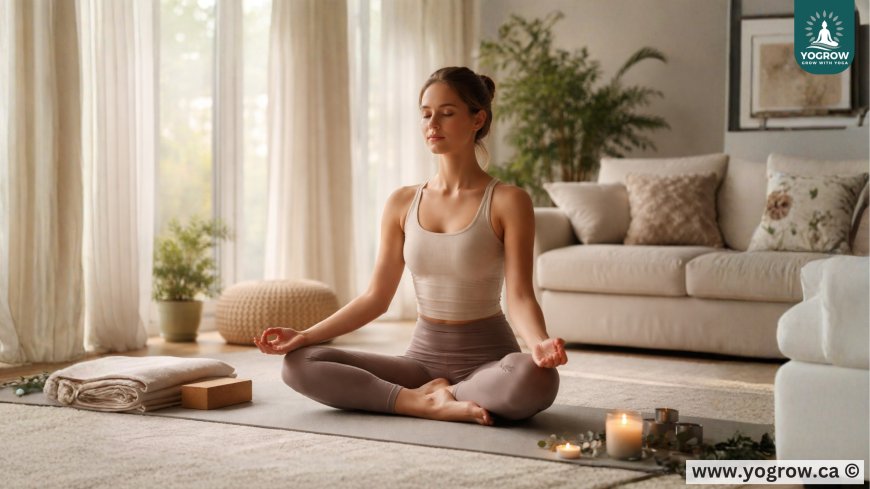
This slow yoga practice helps you feel more balanced by calming the nervous system, improving body awareness, and restoring mental clarity. In a fast-paced world where stress and overstimulation are constant, slowing down your yoga routine can make a powerful difference in how you feel physically and emotionally.
Unlike intense workouts, slow yoga focuses on mindful movement and breath coordination. It allows your body to release tension gradually while helping your mind settle into a peaceful state. This makes it an ideal practice for beginners, busy professionals, and anyone seeking balance in daily life.
Benefits of This Slow Yoga Practice
Slow yoga is more than just gentle stretching—it is a holistic approach to restoring harmony in the body and mind. Below are the key benefits of adopting this calming practice.
1. Deep Stress Reduction and Emotional Balance
One of the most powerful benefits of slow yoga is its ability to reduce stress levels. By moving slowly and consciously, the body activates the parasympathetic nervous system, which is responsible for relaxation and recovery.
Breathing deeply during each posture helps release stored emotional tension, making you feel lighter and more grounded. Over time, this can significantly improve emotional stability and resilience in stressful situations.

Research and expert discussions on restorative practices like Yin and slow-flow yoga also highlight their calming effects on the nervous system. You can explore structured slow yoga approaches in this expert guide on gentle yoga sequencing from Yoga Journal:
2. Improved Body Awareness and Mind-Body Connection
Slow yoga encourages you to pay close attention to how your body feels in each posture. This builds stronger proprioception (awareness of body position), which is often overlooked in fast-paced workouts. As you move slowly, you begin to notice subtle imbalances, stiffness, or misalignment in your body. This awareness helps prevent injuries and improves posture over time.
For those looking to deepen flexibility and alignment, this related guide can support your journey:
Daily Yoga for Total Body Flexibility Easy Step-by-Step Guide Yogrow Practicing regularly helps create a stronger connection between your breath, movement, and thoughts, leading to a more mindful lifestyle beyond the yoga mat.
3. Enhanced Flexibility Without Strain
Unlike dynamic or power yoga styles, slow yoga allows muscles to stretch gradually and safely. Holding poses for longer durations gives connective tissues time to relax, which improves flexibility without forcing the body.
This approach is especially beneficial for beginners or individuals recovering from stiffness or sedentary lifestyles. Instead of pushing the body into deep stretches, slow yoga encourages patience and gradual progress.
With consistent practice, you may notice improved range of motion in your hips, shoulders, and spine, making everyday movements easier and more comfortable.
4. Better Mental Clarity and Focus
Slow yoga trains the mind to stay present. Each movement is intentional, and each breath is a reminder to slow down mentally as well as physically.

This meditative quality reduces mental clutter and enhances focus. Many practitioners report improved concentration, better decision-making, and reduced anxiety after regular sessions.
It becomes a form of moving meditation where the mind is gently guided away from distractions and into the present moment.
5. Supports Overall Energy Balance
Instead of leaving you drained like high-intensity workouts sometimes do, slow yoga helps balance your energy levels. It restores vitality by calming overstimulation and improving breath efficiency.
This makes it particularly useful during burnout, fatigue, or emotional overwhelm. You finish the practice feeling refreshed yet grounded, rather than exhausted.
If you often feel mentally or physically drained, combining slow yoga with short restorative sessions can be highly effective.
Practical Steps: How to Practice Slow Yoga for Balance
Starting a slow yoga routine doesn’t require advanced experience or complex poses. What matters most is consistency, awareness, and breath control.
Step 1: Create a Calm Space
Choose a quiet environment where you won’t be disturbed. Dim lighting, soft music, or silence can help you settle into the practice more easily.
Keep a yoga mat, cushion, and blanket nearby for comfort and support.
Step 2: Begin with Deep Breathing
Start by sitting or lying down comfortably. Take slow, deep breaths in through the nose and exhale gently through the mouth.
Focus on lengthening each breath. This prepares your nervous system for relaxation and helps you transition into movement smoothly.
Step 3: Move Slowly Through Gentle Poses
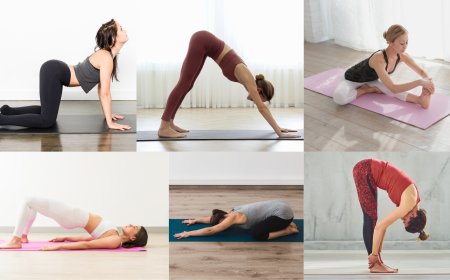
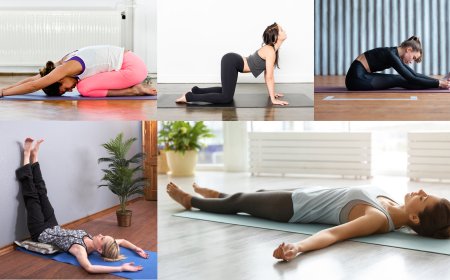
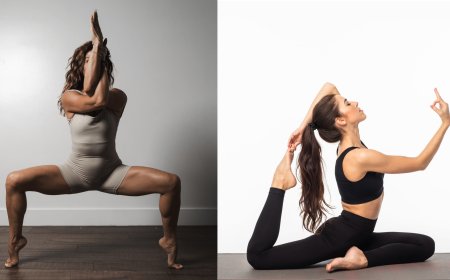
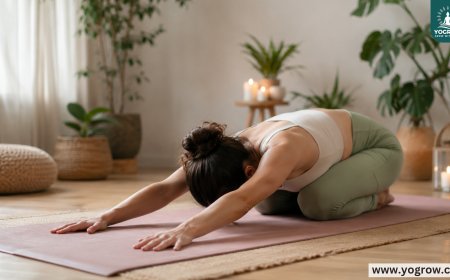
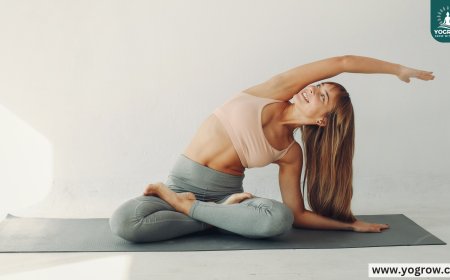
Choose simple poses such as child’s pose, cat-cow stretch, seated forward bend, or gentle twists. Move into each pose slowly and hold it for several breaths.
Avoid rushing. The goal is not intensity but awareness and comfort.
Step 4: Focus on Sensation, Not Performance
Instead of thinking about how a pose looks, pay attention to how it feels. Notice areas of tightness, ease, or emotional release.
This mindful approach is a core principle of slow yoga practice and helps deepen your connection with your body.
Step 5: End with Relaxation
Finish your session with a few minutes of stillness in savasana (resting pose). Let your body absorb the benefits of the practice.
For structured short routines that support relaxation and recovery, you can explore this helpful guide on quick yoga resets: Recharge in Just 10 Minutes The Short Yoga Practice Everyon Needs Yogrow
This slow yoga practice helps you feel more balanced by combining mindful movement, deep breathing, and intentional relaxation. It supports emotional stability, improves flexibility, and enhances mental clarity without overwhelming the body.
Unlike fast-paced workouts, slow yoga encourages you to slow down, listen to your body, and build awareness from within. Over time, it becomes a powerful tool for both physical wellness and mental peace.
If you want to deepen your practice, explore more guided routines and flexibility-focused sessions here: Recharge in Just 10 Minutes The Short Yoga Practice Everyon Needs Yogrow
Start small, stay consistent, and let your practice evolve naturally. Your body and mind will gradually align into a more balanced and peaceful state.
What's Your Reaction?
 Like
0
Like
0
 Dislike
0
Dislike
0
 Love
0
Love
0
 Funny
0
Funny
0
 Angry
0
Angry
0
 Sad
0
Sad
0
 Wow
0
Wow
0