
This Yoga Practice Helps You Feel Emotionally Balanced Naturally
Discover how this yoga practice helps you feel emotionally balanced, reduce stress, calm your mind, and improve emotional well-being naturally.

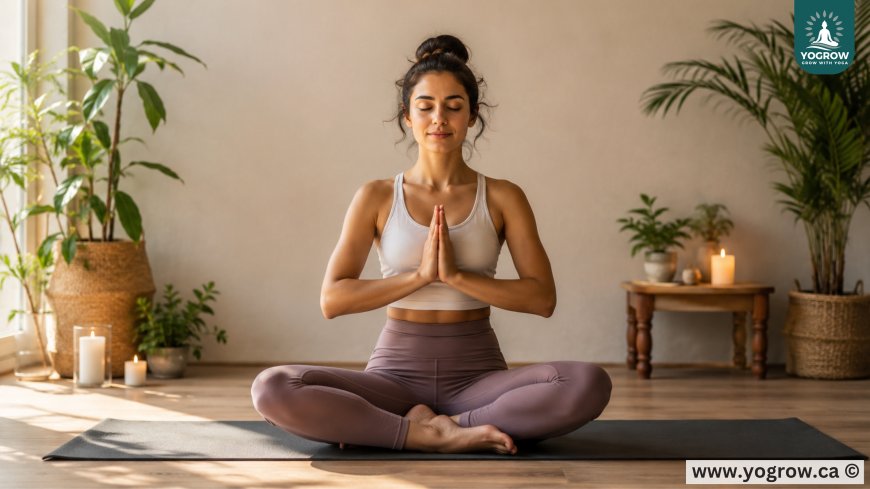
Feeling emotionally overwhelmed has become increasingly common in today’s fast-moving world. Between work responsibilities, personal commitments, digital distractions, and daily stress, maintaining emotional stability can feel difficult. The good news is that this yoga practice helps you feel emotionally balanced by calming the nervous system, reducing stress, and reconnecting you with your body and mind.
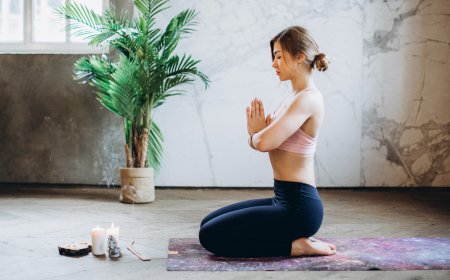
Yoga is much more than physical movement. It is a holistic practice that supports mental clarity, emotional resilience, and inner calm. Whether you feel anxious, emotionally drained, stressed, or mentally scattered, practicing yoga regularly can help restore emotional balance naturally. Even a few mindful minutes each day may help you feel more centered, peaceful, and emotionally grounded.
In this article, we’ll explore the benefits of yoga for emotional balance and practical steps you can start using today to create more emotional stability in your life.
Benefits of This Yoga Practice for Emotional Balance
Yoga Helps Calm Stress and Anxiety
One of the biggest reasons people turn to yoga is its ability to reduce stress and anxiety. Emotional imbalance often starts when the nervous system stays in a constant state of tension. Yoga combines movement, breathing, and mindfulness, helping the body shift into a calmer state.
Practicing gentle poses, deep breathing exercises, and mindful stretching activates the parasympathetic nervous system—often called the “rest and relax” response. This can reduce feelings of overwhelm and emotional exhaustion.


According to a trusted article on yoga and stress relief from Healthline, yoga may help lower stress hormones while improving relaxation and mental well-being. You can learn more about the connection between yoga and stress here: Yoga for Stress Relief by Healthline.
When your body feels calmer, your emotions often follow. This is why many people feel emotionally lighter and mentally refreshed after a yoga session.
If you are just beginning your yoga journey, try starting with a short and simple practice like this helpful guide on 10-minute beginner yoga routines that can improve your day:
https://yogrow.ca/blog/this-10-minute-beginner-yoga-routine-will-change-your-day-yogrow
It Creates Better Mind-Body Awareness
Emotional imbalance can sometimes happen because we disconnect from how we actually feel. We stay busy, distracted, or emotionally numb without noticing signs of burnout or stress.
Yoga encourages mindfulness and body awareness. Through intentional movement and breathing, you become more aware of physical tension, emotional triggers, and mental patterns.
For example, tight shoulders may indicate stress, shallow breathing may signal anxiety, and mental restlessness could point toward emotional fatigue. Recognizing these signals allows you to respond more intentionally rather than reacting emotionally.
Over time, yoga can help you build stronger emotional intelligence by teaching you to pause, observe, and process emotions more calmly.


Yoga Supports Better Mood and Emotional Stability
Have you ever noticed feeling happier after exercise? Yoga supports emotional balance partly because movement encourages the release of feel-good chemicals in the brain, such as serotonin and endorphins.
At the same time, yoga reduces cortisol, commonly known as the stress hormone. This combination can help improve overall mood and emotional resilience.
Research highlighted by Harvard Health suggests that yoga may positively influence mental health by reducing symptoms of stress, anxiety, and emotional tension. Read more through this expert-backed resource: Yoga for Better Mental Health by Harvard Health.
When practiced consistently, yoga can help you feel emotionally steadier, calmer under pressure, and more mentally focused throughout the day.
It Encourages Emotional Release
Many emotions are stored physically in the body without us realizing it. Stress, frustration, sadness, and emotional tension often build up over time.
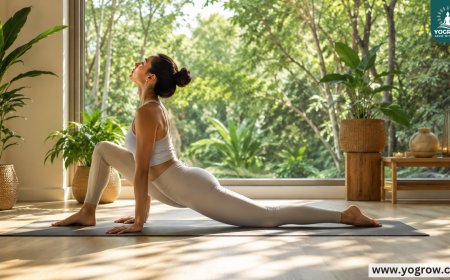
Certain yoga poses, especially hip openers, heart-opening stretches, and restorative poses, may help release stored tension. While this experience is different for everyone, many practitioners report feeling emotionally lighter after yoga sessions.
Yoga creates a safe and mindful environment to process emotions gently rather than suppressing them. This emotional release can improve clarity, self-awareness, and emotional resilience.
Practical Steps: A Simple Yoga Practice for Emotional Balance
You do not need advanced yoga skills to feel emotionally balanced. The key is consistency and mindful practice. Here is a simple step-by-step routine you can follow.
Step 1: Create a Calm Space
Choose a quiet area where you can practice without distractions. This does not need to be a yoga studio—your bedroom, living room, or even a small corner can work.
Turn off notifications, dim bright lights if possible, and create an environment that feels peaceful. Emotional balance often begins with slowing down and creating intentional moments for yourself.
Step 2: Start with Deep Breathing (2–3 Minutes)
Before movement, focus on your breath.
Try this simple breathing exercise:
- Sit comfortably.
- Inhale slowly through your nose for four counts.
- Hold for two seconds.
- Exhale slowly for six counts.
- Repeat for 2–3 minutes.
Deep breathing helps regulate emotions by calming the nervous system and reducing mental noise.
Step 3: Practice Gentle Emotional Balancing Yoga Poses
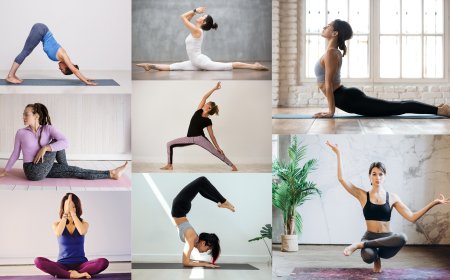
Here are a few beginner-friendly poses that support emotional wellness:
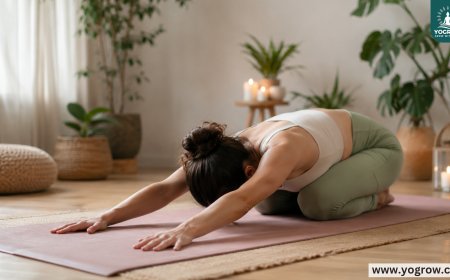
- Child’s Pose (Balasana)
This calming posture helps relax the body and quiet the mind. It is especially helpful when feeling overwhelmed or emotionally exhausted.
- Cat-Cow Stretch
This gentle movement encourages better breathing, relieves tension in the spine, and promotes relaxation.
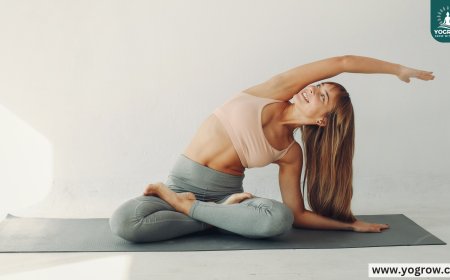
- Seated Forward Fold
Forward folds may help calm the nervous system and encourage introspection.
- Legs-Up-the-Wall Pose
A restorative pose that promotes relaxation, reduces fatigue, and helps reset emotional stress.
Practice each pose slowly for 1–2 minutes while focusing on deep breathing.
Step 4: End with Short Meditation
After movement, sit quietly for five minutes.
Close your eyes and ask yourself:
- How do I feel right now?
- What emotions am I carrying?
- What do I need today?
This mindful check-in can strengthen emotional awareness and help you process feelings without judgment.
Step 5: Stay Consistent
Emotional balance is not something built overnight. Even 10–15 minutes of yoga daily can create noticeable changes over time.
Consistency matters more than perfection. You do not need difficult poses or long sessions—just regular practice and patience.
If you’re looking for a beginner-friendly yoga flow, explore this guide on beginner yoga made easy with a simple routine anyone can follow:
https://yogrow.ca/blog/beginner-yoga-made-easy-a-routine-anyone-can-follow-yogrow
Why Emotional Balance Matters More Than Ever
Modern lifestyles expose people to constant stimulation and emotional pressure. Stress from work, social media, family obligations, and uncertainty can make emotional regulation harder than ever.
Without emotional balance, people may experience:
- Increased anxiety
- Poor sleep quality
- Emotional exhaustion
- Difficulty focusing
- Mood swings
- Reduced motivation
Yoga offers a natural and sustainable way to manage these challenges. Rather than temporarily masking emotional stress, yoga addresses both the physical and mental effects of overwhelm.
The combination of movement, breathing, mindfulness, and intentional relaxation makes yoga one of the most effective wellness practices for emotional well-being.
Most importantly, yoga teaches self-compassion. It reminds us that emotional ups and downs are part of life and that caring for our mental and emotional health deserves attention.
Finding emotional balance in a stressful world is not always easy, but yoga can provide powerful support. This yoga practice helps you feel emotionally balanced by calming stress, improving self-awareness, supporting mood regulation, and creating space for emotional healing.
You do not need to be flexible or experienced to start. Even a short daily practice can make a meaningful difference in how you feel emotionally and mentally.
If you're ready to begin your yoga journey, check out this helpful guide on beginner yoga routines anyone can follow to build a simple and sustainable habit:
https://yogrow.ca/blog/beginner-yoga-made-easy-a-routine-anyone-can-follow-yogrow
Want to feel calmer, stronger, and more emotionally balanced? Explore more yoga resources at Yogrow, book a session, or share your experience in the comments—we’d love to hear about your journey.
What's Your Reaction?
 Like
0
Like
0
 Dislike
0
Dislike
0
 Love
0
Love
0
 Funny
0
Funny
0
 Angry
0
Angry
0
 Sad
0
Sad
0
 Wow
0
Wow
0