
5 Simple Steps to Create a Daily Yoga Ritual for Balanced Living
Discover how creating a daily yoga ritual can improve balance, reduce stress, and enhance well-being. Learn simple steps to build a sustainable yoga routine.

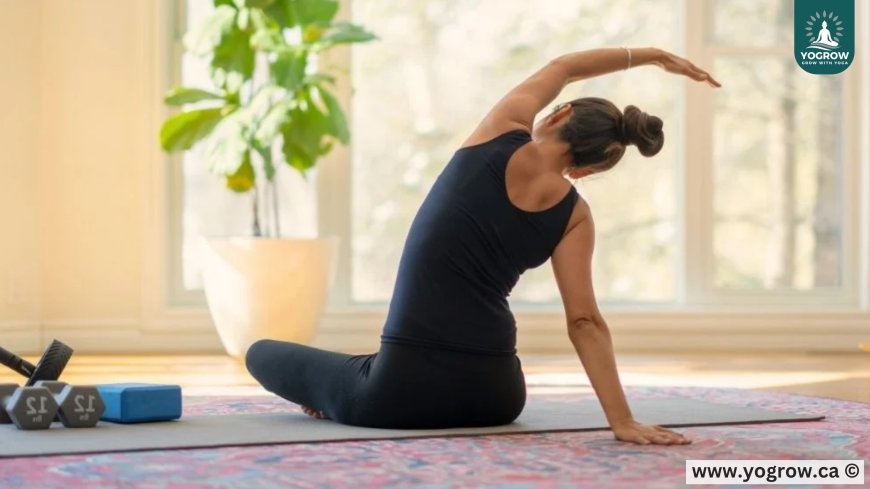
In today’s fast-paced world, building a daily yoga ritual for balanced living can be one of the most powerful ways to reconnect with your body and mind. Many people feel overwhelmed by constant responsibilities, digital distractions, and daily stress. A consistent yoga practice offers a simple yet transformative solution.
A daily yoga ritual is not about performing complex poses or spending hours on the mat. Instead, it is about creating a mindful routine that supports your physical health, mental clarity, and emotional stability. Even a short, intentional practice each day can significantly improve overall well-being.
By developing a steady rhythm of movement, breath, and awareness, yoga becomes more than exercise—it becomes a lifestyle habit that nurtures balance and inner harmony.
Benefits of Creating a Daily Yoga Ritual
Improves Mental Clarity and Emotional Stability
One of the most noticeable benefits of a daily yoga ritual is the positive impact it has on mental clarity. Regular yoga practice encourages mindfulness, helping individuals stay present instead of getting lost in worries about the future or regrets about the past.
Breathing techniques and slow, intentional movements activate the parasympathetic nervous system, which helps calm the mind and reduce stress levels. This is particularly important in modern life, where many people experience constant mental stimulation and anxiety.


Research and wellness experts often highlight how mindful movement can regulate the nervous system. Practices that emphasize slower, intentional movements are especially effective, as explained in this guide on https://yogrow.ca/blog/the-importance-of-slowing-down-in-yoga-for-stress-nervous-system-health-yogrow, which discusses how slowing down in yoga supports nervous system health and emotional resilience. Over time, practicing yoga daily improves focus, emotional awareness, and the ability to respond to challenges calmly.
Builds Physical Strength and Flexibility
A daily yoga ritual naturally strengthens the body while improving flexibility. Unlike intense workouts that focus on specific muscle groups, yoga creates balanced strength across the entire body.
Many yoga postures engage multiple muscle groups at once. For example, poses like Downward Dog, Warrior poses, and Plank strengthen the core, arms, legs, and back simultaneously. This holistic approach supports better posture, joint stability, and mobility.
Flexibility also improves gradually through consistent practice. Tight muscles caused by prolonged sitting or inactivity begin to loosen, reducing stiffness and discomfort.
When yoga becomes a daily habit, the body adapts to movement patterns that promote long-term health rather than short-term physical gains.
Reduces Stress and Supports Nervous System Health
Stress is one of the most common challenges people face today. Chronic stress can lead to fatigue, poor sleep, anxiety, and even physical health issues.
A daily yoga ritual helps regulate the body’s stress response by combining breathwork, gentle movement, and mindfulness. These elements signal to the body that it is safe to relax, lowering cortisol levels and promoting calmness.


Short daily practices can have a powerful impact. Even 10–15 minutes of yoga can shift your energy and reduce tension accumulated throughout the day.
If you’re interested in how small daily habits can improve overall wellness, this article on https://yogrow.ca/blog/yoga-for-everyday-wellness-small-habits-life-changing-results-yogrow explains how consistent yoga routines can lead to life-changing improvements in health and balance.
Encourages Mindful Living and Self-Awareness
Beyond physical benefits, a daily yoga ritual encourages deeper self-awareness. Each practice becomes an opportunity to listen to your body, observe your emotions, and reconnect with yourself. This awareness often extends beyond the yoga mat. Practitioners begin to notice their breathing patterns, posture, stress triggers, and energy levels throughout the day.
Yoga also encourages mindful choices related to sleep, nutrition, and lifestyle habits. When practiced regularly, it helps cultivate a balanced relationship with both the body and the mind.
Over time, this awareness leads to healthier routines and a stronger sense of inner stability.
Practical Steps to Create a Daily Yoga Ritual
Creating a sustainable yoga ritual does not require a complicated routine. The key is consistency and simplicity. The following steps can help you establish a daily practice that fits naturally into your lifestyle.
1. Choose a Consistent Time
One of the easiest ways to build a daily habit is to practice yoga at the same time each day. Many people prefer practicing in the morning because it sets a positive tone for the day.
Morning yoga helps wake up the body, improve circulation, and create mental clarity before daily responsibilities begin. However, evening yoga can also be beneficial for releasing tension and preparing the body for restful sleep.
Choose a time that feels realistic and sustainable for your schedule.
2. Create a Dedicated Space
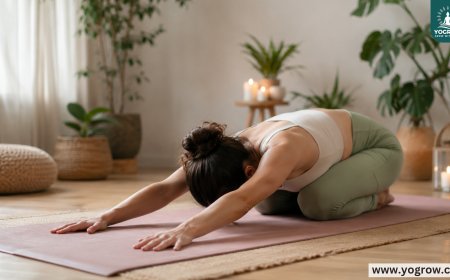
A peaceful and comfortable environment can make your yoga ritual more enjoyable. You don’t need a large studio or special equipment—just a quiet corner with enough space for a yoga mat.
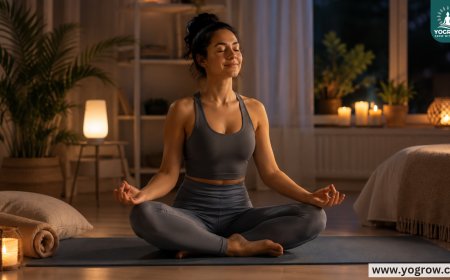
Consider adding elements that support relaxation, such as natural light, calming music, candles, or plants. A consistent space signals to the brain that it is time for mindfulness and movement.
Over time, simply stepping into this space can trigger a sense of calm and readiness for practice.
3. Start Small and Build Gradually
Many beginners make the mistake of trying to do too much at once. A sustainable yoga ritual should start small.
Even 10 minutes of yoga per day can create meaningful change. Simple sequences like gentle stretches, breathing exercises, and basic poses can provide significant benefits.
As your routine becomes more comfortable, you can gradually extend your practice to 20 or 30 minutes. The goal is consistency rather than intensity.
4. Focus on Breath and Mindfulness
Breathing is one of the most important aspects of yoga. Conscious breathing helps calm the mind, regulate the nervous system, and deepen each movement.
Try beginning your practice with a few minutes of slow breathing. Inhale deeply through the nose, hold briefly, and exhale slowly. This simple technique helps transition from a busy mindset into a more mindful state. As you move through poses, maintain steady breathing and focus on the sensations in your body.
5. End Your Practice with Stillness
A meaningful yoga ritual should always end with a moment of rest. The final relaxation pose, often called Savasana, allows the body and mind to integrate the benefits of the practice.
During this time, simply lie still and focus on your breath. Let go of tension in the muscles and allow the nervous system to settle. This quiet moment helps transform yoga from a physical routine into a deeply restorative experience. Creating a daily yoga ritual for balanced living is one of the most effective ways to nurture physical health, emotional resilience, and mental clarity. Through consistent practice, yoga becomes more than exercise—it becomes a supportive daily habit that promotes calmness, strength, and mindfulness.
Even a few minutes of yoga each day can help reduce stress, improve flexibility, and cultivate a deeper connection with yourself. The key is to keep the practice simple, enjoyable, and consistent. If you’re looking to deepen your wellness journey, explore more insights in this article on https://yogrow.ca/blog/yoga-for-everyday-wellness-small-habits-life-changing-results-yogrow, where small daily habits are explained in greater detail.
Start your yoga ritual today and experience how mindful movement can transform your daily life. If you found this guide helpful, consider subscribing for more yoga insights, sharing your experience in the comments, or exploring additional wellness resources on Yogrow.ca.
What's Your Reaction?
 Like
0
Like
0
 Dislike
0
Dislike
0
 Love
0
Love
0
 Funny
0
Funny
0
 Angry
0
Angry
0
 Sad
0
Sad
0
 Wow
0
Wow
0