

Low Energy with PCOS? 15 Minutes of Yoga That Can Transform Your Day
Struggling with low energy due to PCOS? Discover how yoga helps balance hormones, improve stamina, and restore daily vitality naturally and effectively.

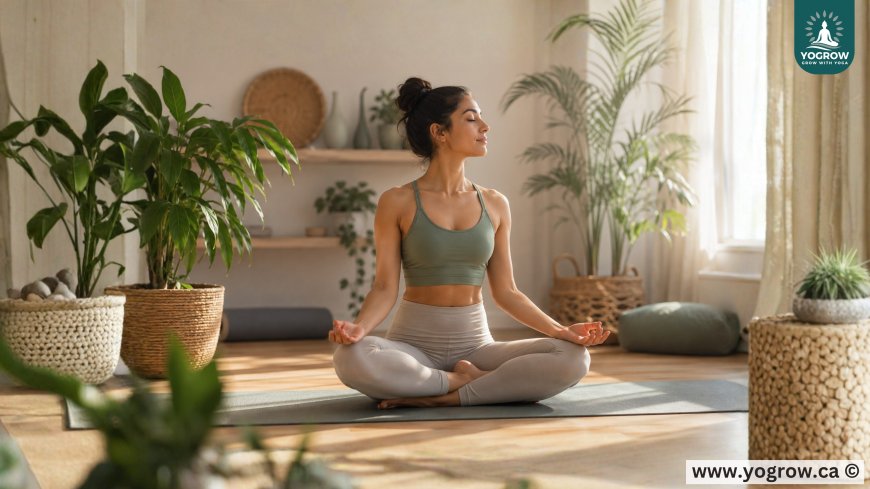
Low energy with PCOS is one of the most common yet frustrating symptoms many women experience daily. It can affect productivity, mood, metabolism, and even motivation to stay active. When hormonal imbalance meets fatigue, even simple tasks can feel overwhelming.
The good news is that low energy with PCOS can be supported naturally through mindful movement, especially yoga. Gentle, consistent yoga practice helps regulate hormones, improve circulation, reduce stress, and restore vitality from within. In this blog, we will explore how yoga can become a powerful tool to combat fatigue associated with PCOS and bring your energy levels back into balance.
Benefits of Yoga for Low Energy with PCOS
Yoga is not just physical exercise—it is a holistic practice that influences the endocrine system, nervous system, and metabolic function. For women dealing with PCOS-related fatigue, it offers a sustainable way to rebuild energy without stressing the body.
1. Balances Hormones and Supports Endocrine Health


One of the core reasons behind low energy with PCOS is hormonal imbalance, particularly involving insulin, estrogen, and cortisol levels. Yoga helps stimulate endocrine glands like the thyroid, ovaries, and adrenal glands, encouraging better hormonal regulation.
According to research highlighted by Healthline Yoga for PCOS Benefits, consistent yoga practice may help improve insulin sensitivity and reduce testosterone levels in women with PCOS, both of which are linked to fatigue and low energy.
When hormones are more balanced, the body naturally experiences improved stamina, better sleep, and reduced exhaustion throughout the day.
2. Reduces Stress and Lowers Cortisol Levels
Stress is a major contributor to low energy in PCOS. High cortisol levels not only drain physical energy but also worsen hormonal imbalance, leading to a cycle of fatigue.
Yoga activates the parasympathetic nervous system—the “rest and digest” mode—helping the body relax deeply. Breathing techniques (pranayama) and gentle asanas reduce mental overload and calm the nervous system.
If you're exploring structured approaches, you may find this guide helpful: The Calm First Yoga Method for PCOS Wellness.


This method focuses on calming the body first before movement, which is especially effective for women struggling with exhaustion and hormonal stress.
3. Improves Blood Circulation and Energy Flow
Poor circulation is another hidden reason behind fatigue in PCOS. When blood flow is sluggish, oxygen delivery to muscles and organs decreases, resulting in tiredness and heaviness.
Yoga postures such as gentle twists, forward bends, and restorative poses improve circulation throughout the body. This enhances oxygen flow and supports better cellular energy production.
Over time, regular yoga practice helps the body feel lighter, more active, and less drained during daily activities.
4. Supports Metabolism and Weight Balance
PCOS is often linked with slowed metabolism and weight fluctuations, which can contribute to fatigue. Yoga supports metabolic health by improving digestion, regulating insulin response, and stimulating abdominal organs.
A consistent yoga routine can gradually improve how the body processes energy, making you feel more active and less sluggish throughout the day.
You can also explore this related practice guide for deeper understanding: PCOS Yoga Routine for Hormone Balance and Energy.
This resource explains how structured yoga routines can help restore hormonal rhythm and energy balance effectively.
5. Enhances Sleep Quality and Recovery
Low energy is often worsened by poor sleep quality, which is common in PCOS due to hormonal fluctuations and stress. Yoga helps regulate sleep cycles by calming the mind and relaxing the body before bedtime.
Restorative yoga poses and deep breathing improve melatonin production, allowing deeper and more restorative sleep. Better sleep directly translates into higher daytime energy levels and improved emotional stability.
Practical Steps: Yoga Routine for Low Energy with PCOS
If you're ready to start improving your energy levels, consistency is more important than intensity. Here’s a simple step-by-step yoga routine designed specifically for PCOS-related fatigue:
Step 1: Start with Deep Breathing (5 minutes)
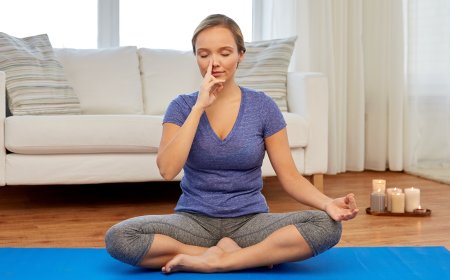
Begin your practice with slow diaphragmatic breathing. Inhale deeply through the nose, allowing your belly to expand, then exhale slowly. This immediately signals the body to relax and prepares your system for movement.
Step 2: Gentle Warm-Up Movements (5–10 minutes)
Start with slow neck rolls, shoulder rotations, and seated stretches. This helps release stiffness and activates blood flow without exhausting the body.
Step 3: Energizing Yoga Poses (10–15 minutes)
Include gentle but effective poses such as:
- Cat-Cow Pose (spinal flexibility and circulation)
- Bridge Pose (activates core and hormonal glands)
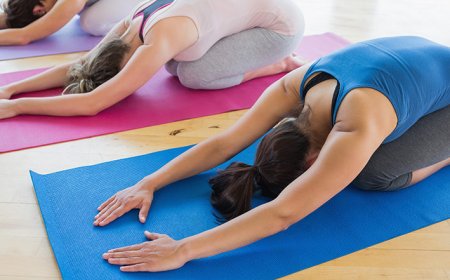
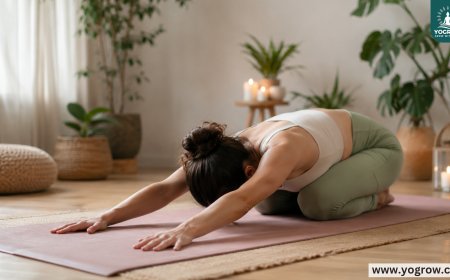
- Child’s Pose (relaxation and nervous system reset)
- Seated Forward Bend (calms mind and improves digestion)
These poses help restore energy without overwhelming the body.
Step 4: Cooling Down with Relaxation (5–10 minutes)
End your session with Savasana (deep relaxation). Focus on slow breathing and allow the body to fully absorb the benefits of the practice.
This step is essential because true energy restoration happens during rest, not just movement.
Step 5: Daily Consistency Over Intensity
Even 20–30 minutes daily can significantly improve low energy with PCOS over time. The key is consistency rather than pushing the body too hard.
Yoga works gradually, retraining the nervous system and hormonal rhythm for long-term energy stability.
Low energy with PCOS can feel overwhelming, but it is not something you have to live with permanently. Yoga offers a natural, gentle, and scientifically supported way to restore hormonal balance, reduce stress, improve circulation, and rebuild daily energy levels.
By practicing consistently and mindfully, you can gradually shift from fatigue to vitality and regain control over your body’s rhythm. Small daily efforts can lead to long-term transformation in both physical and emotional well-being.
To explore more guided practices and deepen your journey, check out this resource: PCOS Yoga Routine for Hormone Balance Guide.
Start your yoga journey today, stay consistent, and allow your body the time it needs to heal and recharge naturally.
What's Your Reaction?
 Like
0
Like
0
 Dislike
0
Dislike
0
 Love
0
Love
0
 Funny
0
Funny
0
 Angry
0
Angry
0
 Sad
0
Sad
0
 Wow
0
Wow
0