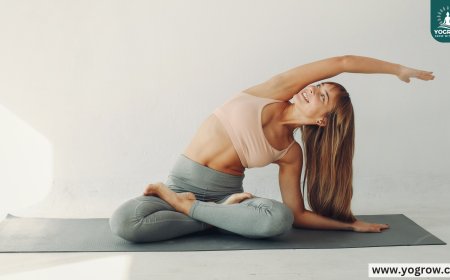
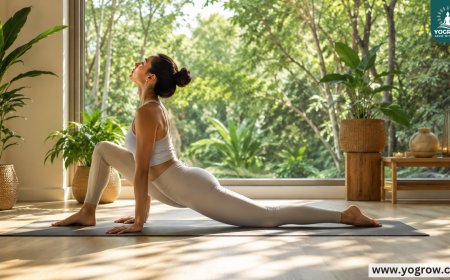
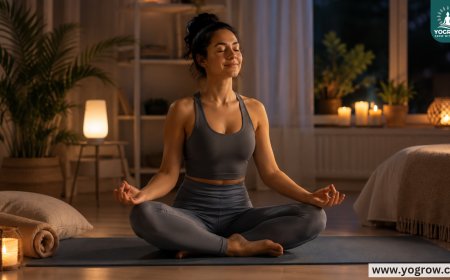
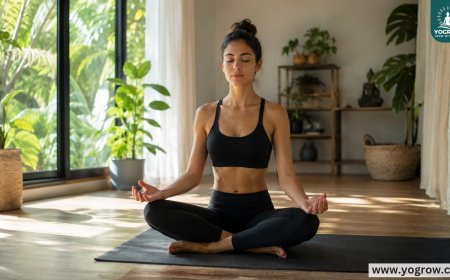

The Relaxing Yoga Habit That Can Help You Sleep Better Tonight
Discover the relaxing yoga habit that supports better sleep naturally. Learn calming yoga techniques, bedtime routines, and sleep-friendly poses.

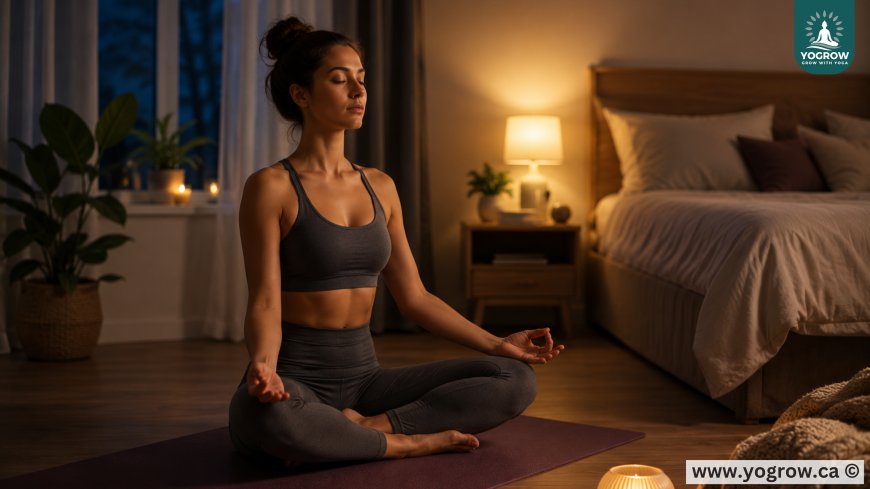
Struggling to fall asleep or waking up feeling exhausted? The relaxing yoga habit that supports better sleep may be exactly what your body and mind need. In today’s fast-paced world, stress, screen time, and busy schedules can disrupt healthy sleep patterns, leaving many people feeling drained and restless.
Yoga has become a trusted natural solution for improving sleep quality because it combines gentle movement, mindful breathing, and relaxation techniques that calm the nervous system. By creating a simple bedtime yoga habit, you may experience deeper rest, reduced stress, and a more peaceful nighttime routine.
Whether you deal with occasional sleepless nights or ongoing sleep challenges, adding yoga to your evening routine can make a noticeable difference.
Benefits of the Relaxing Yoga Habit That Supports Better Sleep
1. Helps Calm an Overactive Mind
One of the biggest reasons people struggle with sleep is mental overstimulation. Racing thoughts, anxiety, and daily stress can make it difficult to relax when bedtime arrives. Yoga helps slow down the nervous system through breathing exercises and mindful movement.


Gentle stretches paired with focused breathing encourage the body to transition from a state of stress into relaxation. Instead of lying awake replaying the events of the day, yoga helps you reconnect with the present moment.
Many people notice that practicing calming yoga before bed also improves emotional balance throughout the day. If stress often impacts your mood, you may enjoy reading our guide on how yoga can positively influence emotional wellness: How Yoga Improves Your Mood in Just Minutes
According to experts at the Yoga Institute’s guide to yoga for better sleep, consistent yoga practice may support deeper relaxation and better sleep quality by calming the body and mind.
2. Reduces Physical Tension in the Body
Sleep problems are not always caused by stress alone. Physical discomfort, muscle tightness, and body stiffness can also interfere with restful sleep. Gentle yoga stretches help release tension from areas where the body commonly stores stress, including the neck, shoulders, hips, and lower back.
When muscles feel relaxed, the body finds it easier to settle into sleep naturally. Certain restorative yoga poses can help reduce physical discomfort without requiring intense movement or effort.
A relaxing yoga habit before bed can also improve flexibility over time, helping you feel more comfortable physically during sleep.
3. Supports Better Breathing and Relaxation
Breathing plays a major role in how relaxed or stressed we feel. Shallow breathing can keep the nervous system alert, while deep breathing sends calming signals throughout the body.


Yoga encourages slow, controlled breathing that promotes relaxation. Techniques such as diaphragmatic breathing and mindful inhaling and exhaling may help lower stress levels before bedtime.
Creating a nightly breathing ritual through yoga can help train your body to recognize when it is time to rest. Over time, this consistency may make falling asleep feel easier and more natural.
4. Encourages a Consistent Sleep Routine
Healthy sleep often depends on consistency. Just like children benefit from bedtime routines, adults also respond positively to calming nighttime habits.
Practicing yoga for even 10–20 minutes before bed creates a predictable signal that sleep is approaching. Your body gradually begins associating yoga with winding down, making it easier to relax each night.
Simple, slow yoga practices can become an enjoyable habit rather than another task on your to-do list. If you enjoy gentle, calming movement, you might also explore this slow yoga approach that supports balance and calm: This Slow Yoga Practice Will Instantly Make You Feel More Balanced
5. May Improve Overall Sleep Quality
Sleep is not only about how quickly you fall asleep—it is also about the quality of rest you get. Many people sleep through the night but still wake up feeling tired.
Yoga can help improve sleep quality by lowering stress hormones and helping the body enter a calmer state before bed. A peaceful bedtime routine may reduce nighttime interruptions and support more refreshing rest.
Over time, consistent yoga habits may contribute to better energy levels, improved concentration, and an overall sense of well-being during the day.
Practical Steps to Build a Relaxing Yoga Habit for Better Sleep
Creating a sleep-supportive yoga routine does not need to be complicated. Even a few minutes each night can help create positive changes.
Step 1: Set Aside 10–20 Minutes Before Bed
Choose a consistent time each evening to practice yoga. Ideally, this should happen about 20–30 minutes before going to sleep.
Consistency matters more than duration. A short practice every night is often more effective than a long session once a week.
Try dimming the lights and creating a quiet environment to encourage relaxation.
Step 2: Start with Gentle Stretches
Avoid intense yoga sessions right before bedtime. Instead, focus on slow and calming movements.
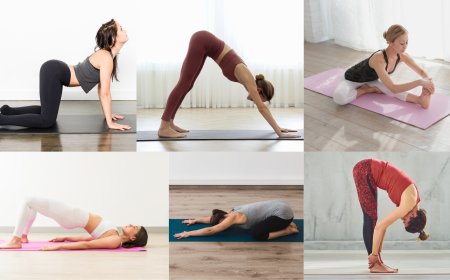
Some beginner-friendly bedtime stretches include:
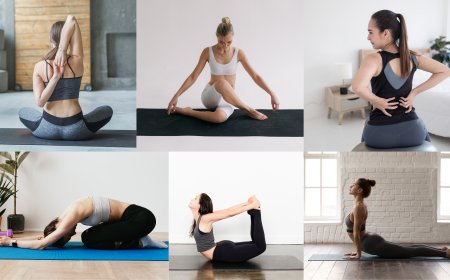
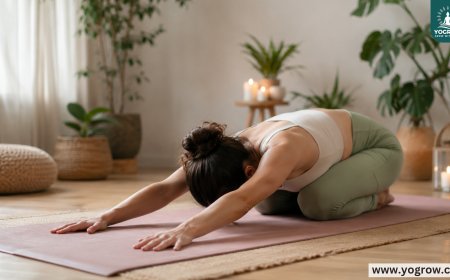
- Child’s Pose for relaxation
- Seated Forward Fold to release back tension
- Cat-Cow Stretch to ease spinal stiffness
- Legs-Up-the-Wall Pose to calm the nervous system
- Reclining Butterfly Pose for gentle hip relaxation
The goal is not to work hard but to help your body unwind.
Step 3: Focus on Breath Awareness
Spend a few moments paying attention to your breathing. Inhale slowly through your nose and exhale gently.
Try this simple breathing technique:
- Inhale for 4 seconds
- Hold briefly for 2 seconds
- Exhale for 6 seconds
Slow breathing encourages a sense of calm and prepares the mind for sleep.
You can learn more about yoga-based relaxation practices from the Yoga Institute’s sleep-supporting yoga techniques to strengthen your bedtime wellness routine.
Step 4: Limit Screen Time During Yoga
One common mistake people make is practicing relaxation while scrolling on their phones. Blue light exposure can interfere with the body’s natural sleep cycle.
Instead, treat yoga as a screen-free moment. Play soft instrumental music if it helps, but avoid overstimulating content.
This quiet transition can help your brain move away from daytime stress.
Step 5: End with a Few Minutes of Stillness
Finish your yoga session by lying comfortably and relaxing your body completely. This final stage helps your nervous system settle before sleep.
Focus on gratitude, slow breathing, or simply enjoying stillness. Even two or three minutes of mindful rest can make a difference.
Over time, your mind may begin associating this peaceful moment with sleep readiness.
Common Mistakes to Avoid When Practicing Yoga for Sleep
Doing High-Intensity Yoga at Night
Vigorous yoga styles may increase energy instead of helping relaxation. Save intense workouts for earlier in the day and choose calming movements before bedtime.
Being Inconsistent
Skipping practice frequently may make it harder to notice results. Building a sustainable routine is often more helpful than trying long sessions occasionally.
Expecting Instant Results
Yoga is a habit-based wellness practice. Some people feel improvements immediately, while others notice gradual changes over time. Stay patient and consistent.
Building the relaxing yoga habit that supports better sleep can be a simple yet powerful way to improve your nighttime routine. By calming the mind, releasing body tension, supporting deeper breathing, and creating consistency, yoga offers a natural path toward better rest.
You do not need an advanced routine to start seeing benefits—just a few mindful minutes each night can help your body unwind and prepare for quality sleep.
Want to explore more calming yoga techniques? Read our guide on slow yoga practices that improve balance and relaxation and discover more wellness tips on Yogrow. Don’t forget to subscribe, leave a comment, or book a yoga session to begin your wellness journey today!
What's Your Reaction?
 Like
0
Like
0
 Dislike
0
Dislike
0
 Love
0
Love
0
 Funny
0
Funny
0
 Angry
0
Angry
0
 Sad
0
Sad
0
 Wow
0
Wow
0