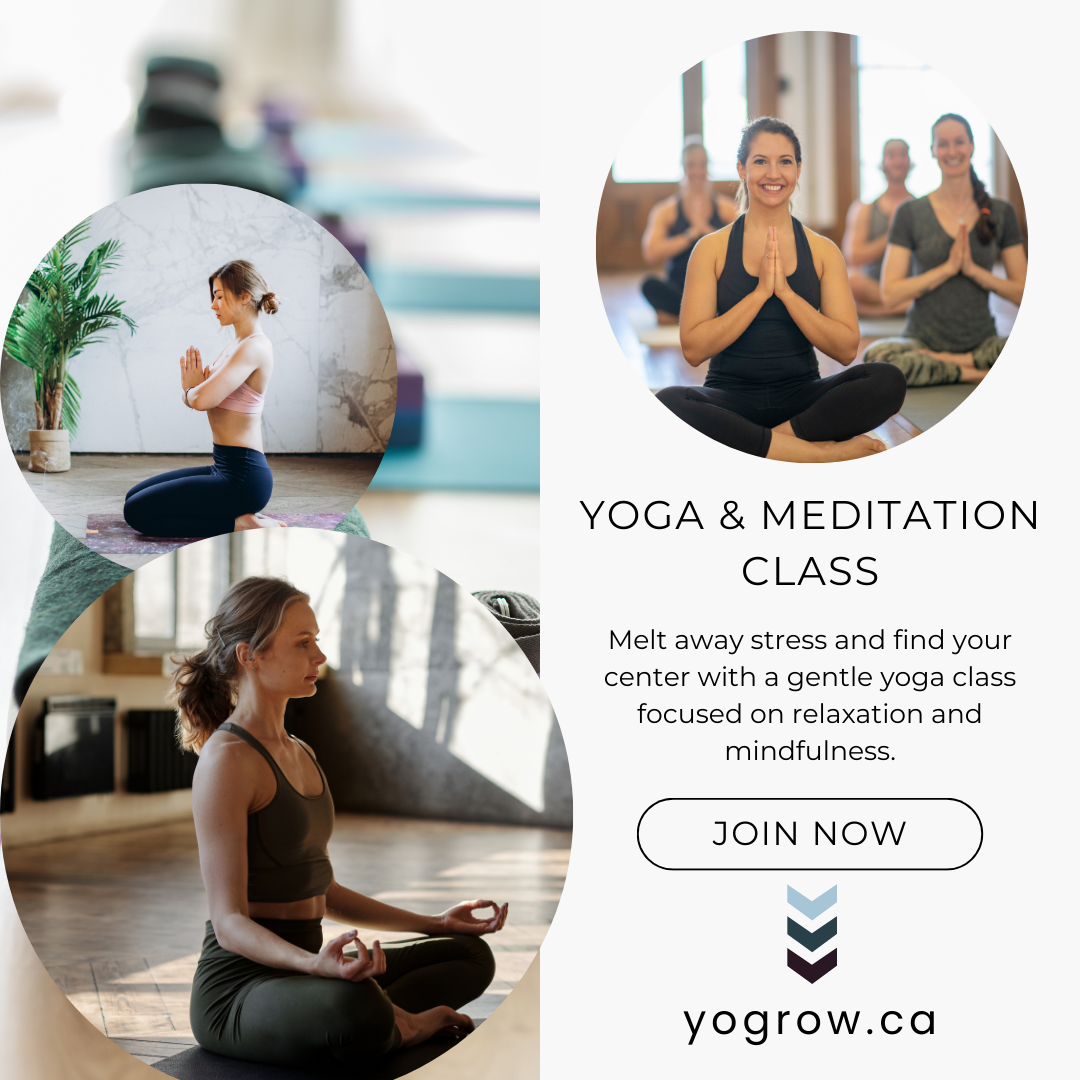





The Simple Yoga Routine That Could Transform Life for Dementia Patients
Discover a powerful yoga routine for dementia patients that improves memory, reduces anxiety, and supports brain health with simple, gentle movements.


Dementia is a growing global health challenge, affecting millions of families and caregivers worldwide. As people search for natural and supportive therapies, yoga routines for dementia patients are gaining attention for their ability to support both mental and physical well-being. Yoga is not just about flexibility—it can also help improve focus, emotional stability, and memory function.
Gentle movement combined with mindful breathing can create powerful neurological benefits. For individuals living with dementia, simple yoga practices can stimulate the brain, reduce anxiety, and promote relaxation. In this article, we explore how yoga can support cognitive health and provide a practical routine that caregivers and patients can follow safely.
Benefits of Yoga for Dementia Patients
Improves Memory and Cognitive Function
One of the most important benefits of yoga for dementia patients is its potential to support memory and brain function. Gentle stretches, coordinated breathing, and mindful awareness stimulate different areas of the brain that are responsible for focus and memory.
Yoga encourages better blood circulation to the brain, which can help nourish brain cells and improve neural communication. Certain poses also activate the parasympathetic nervous system, helping the brain relax and function more efficiently.
According to research discussed in this article on yoga poses that may help prevent memory loss in old age, regular practice of gentle yoga movements may support cognitive health and slow the progression of age-related memory decline.
https://timesofindia.indiatimes.com/life-style/health-fitness/wellness/yoga-for-alzheimers-6-yoga-poses-that-can-prevent-memory-loss-in-old-age/articleshow/103184427.cms


For people who struggle with mobility, chair-based exercises can also be highly effective. You can explore helpful techniques in this guide on seated yoga poses that support better memory and focus. https://yogrow.ca/blog/seated-yoga-for-better-memory-12-poses-you-can-do-anywhere-yogrow .
Reduces Anxiety and Emotional Stress
Dementia patients often experience confusion, agitation, and emotional distress. Yoga can help regulate these emotions through controlled breathing and calming movement patterns.
Breathing exercises such as deep diaphragmatic breathing help calm the nervous system and reduce stress hormones like cortisol. When patients practice yoga regularly, they may experience improved mood stability and a greater sense of relaxation.
Mindful movement also allows patients to reconnect with their bodies. This can help reduce feelings of fear and frustration that sometimes occur during cognitive decline. Many caregivers also notice that patients become more cooperative and relaxed after participating in short yoga sessions. The calming nature of yoga can help create a more peaceful daily routine for both patients and caregivers.
Improves Balance and Physical Strength
Another important benefit of yoga is its ability to improve physical stability. Dementia patients are at higher risk of falls due to balance issues and reduced coordination.
Simple yoga poses help strengthen muscles, improve posture, and enhance body awareness. These improvements can make daily activities like walking, standing, or sitting easier and safer.
Gentle stretches also improve joint mobility and circulation. Over time, this can reduce stiffness and discomfort, allowing patients to move more comfortably throughout the day. The physical improvements gained through yoga can contribute to greater independence and confidence for individuals living with dementia.


Encourages Mindfulness and Mental Clarity
Yoga is strongly connected to mindfulness—the practice of being present in the moment. This can be particularly helpful for dementia patients who often struggle with confusion about time, place, or surroundings. Through guided breathing and slow movements, yoga encourages patients to focus on the present moment. This practice can help improve mental clarity and reduce episodes of agitation.
Mindfulness also supports emotional regulation. Patients who practice mindfulness-based movement often experience reduced anxiety and improved sleep quality. If you want to understand how gentle movement supports emotional well-being, this article explains how mindful movement helps reduce anxiety in dementia patients. https://yogrow.ca/blog/how-mindful-movement-helps-reduce-anxiety-in-dementia-patients-yogrow .
A Simple Yoga Routine for Dementia Patients
Practicing yoga does not require complicated poses. A short routine of gentle movements can provide significant benefits. The key is to keep the exercises simple, safe, and comfortable.
Here is a step-by-step yoga routine that caregivers can guide dementia patients through.
Step 1: Gentle Breathing Exercise
- Begin with a simple breathing practice.
Ask the patient to sit comfortably in a chair or on the floor. Encourage them to close their eyes if they feel comfortable.
- Inhale slowly through the nose for four seconds.
- Hold the breath for two seconds.
- Exhale slowly through the mouth.
- Repeat this breathing cycle five times.
This exercise helps calm the nervous system and prepares the body for gentle movement.
Step 2: Neck and Shoulder Rolls
- Neck and shoulder tension is common among older adults.
- Slowly roll the shoulders forward five times, then backward five times.
- Next, gently tilt the head from side to side.
These movements help improve circulation and relieve tension in the upper body.
Step 3: Seated Forward Stretch
While sitting, ask the patient to slowly bend forward and reach toward their knees or feet.
- This pose gently stretches the back and hamstrings while encouraging relaxed breathing.
- Hold the stretch for 5–10 seconds and repeat three times.
Step 4: Gentle Spinal Twist
While seated, place the right hand on the left knee and gently twist the upper body to the left.
- Hold the position for a few breaths, then repeat on the other side.
- Spinal twists improve flexibility and stimulate circulation in the spine.
Step 5: Seated Mountain Pose
- Sit upright with the back straight and hands resting on the knees.
- Encourage the patient to imagine a string pulling the top of the head toward the ceiling.
- Take slow, deep breaths while maintaining this posture.
- This pose improves posture, breathing, and mental awareness.
Step 6: Relaxation Pose
- End the routine with relaxation.
- Ask the patient to sit comfortably, close their eyes, and take slow breaths.
- Soft background music or guided relaxation can enhance the calming effect.
- This step allows the body and mind to fully absorb the benefits of the yoga session.
For additional yoga techniques designed for cognitive support, this resource from the Jindal Naturecure Institute explaining yoga asanas for Alzheimer’s support provides further insights.
https://jindalnaturecure.in/jindal-naturecure-institute-yoga-asanas-for-alzheimers/ .
Tips for Caregivers Practicing Yoga with Dementia Patients
Yoga sessions should always be adapted to the individual’s comfort level. The goal is relaxation and gentle stimulation—not physical strain. Keep sessions short, ideally between 10 and 20 minutes. Shorter sessions are easier for patients to focus on and less physically demanding.
Use clear and simple instructions. Demonstrating the movements can also help patients understand what to do.
Consistency is also important. Practicing yoga at the same time each day can create a familiar and comforting routine. Most importantly, maintain a supportive and encouraging atmosphere. Even small movements can provide meaningful benefits.
Yoga offers a gentle yet powerful way to support individuals living with dementia. Through mindful breathing, simple stretches, and relaxing movements, yoga can help improve cognitive function, reduce anxiety, enhance physical stability, and promote emotional well-being.
Even a short daily routine can make a meaningful difference in the quality of life for dementia patients and their caregivers. With patience and consistency, yoga can become a valuable part of holistic dementia care.
If you want to explore more gentle practices that support brain health, read this helpful guide on mindful movement techniques that reduce anxiety in dementia patients.
https://yogrow.ca/blog/how-mindful-movement-helps-reduce-anxiety-in-dementia-patients-yogrow
For more wellness insights, yoga routines, and memory-supporting exercises, visit Yogrow.ca and discover how mindful movement can transform everyday health.
What's Your Reaction?
 Like
0
Like
0
 Dislike
0
Dislike
0
 Love
0
Love
0
 Funny
0
Funny
0
 Angry
0
Angry
0
 Sad
0
Sad
0
 Wow
0
Wow
0