
This Gentle Yoga Practice Feels Like Instant Therapy for Your Mind
Discover how gentle yoga calms the mind, reduces stress, and supports emotional balance. A simple practice that feels like therapy for mental wellness. today

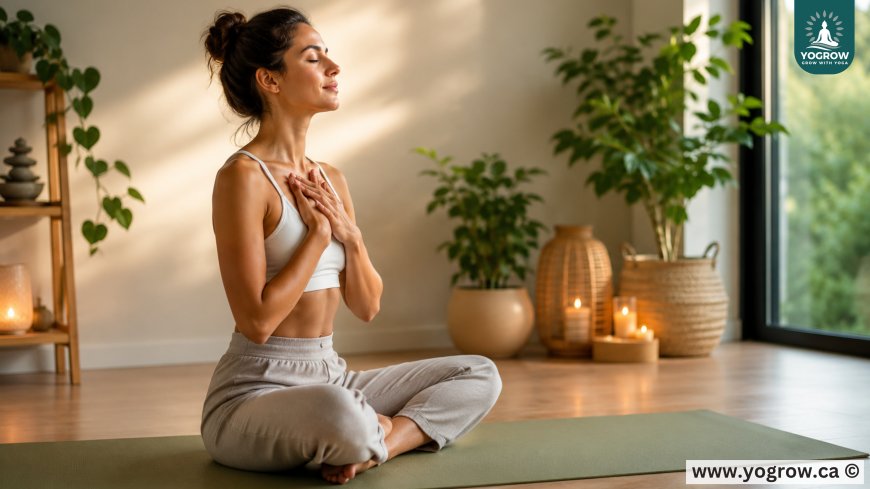
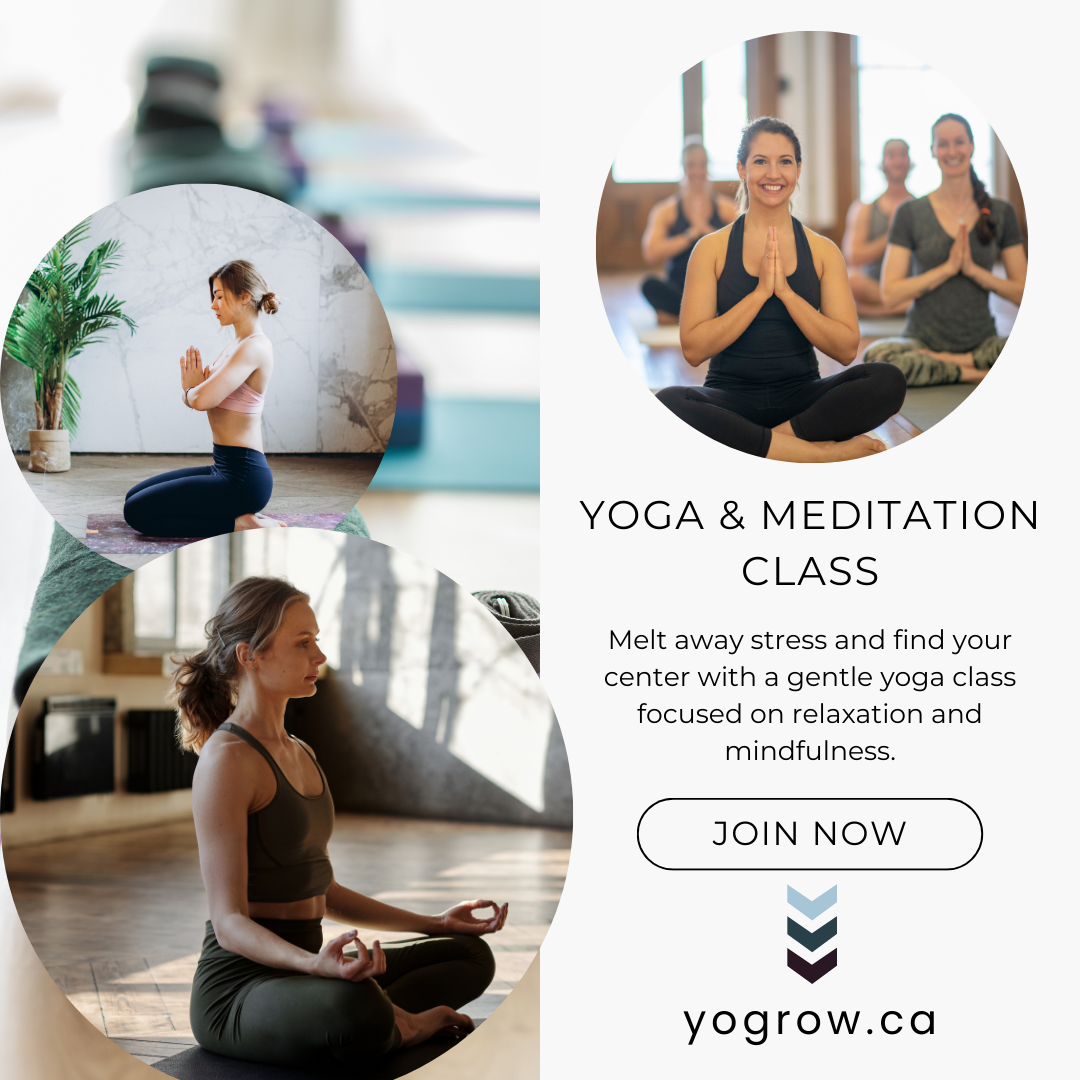
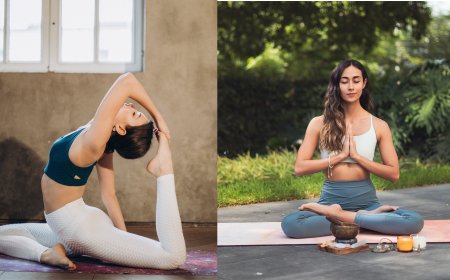
This gentle yoga practice feels like therapy for the mind, offering a simple yet powerful way to slow down mental noise and reconnect with inner calm. In today’s fast-paced world, stress, anxiety, and emotional overload have become part of daily life for many people. Gentle yoga provides a safe, accessible path to release tension without forcing the body or overwhelming the mind.
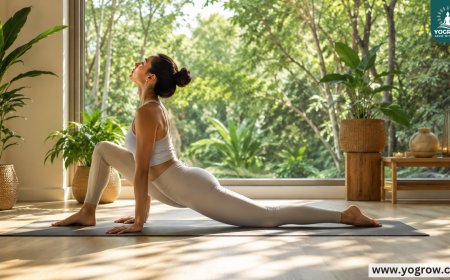
Unlike intense workouts, gentle yoga focuses on slow movement, mindful breathing, and deep awareness. It supports emotional balance while helping the nervous system shift into a relaxed state. This is why many people describe it as “therapy on the mat.”
Significance of Gentle Yoga for Mental Wellness
Gentle yoga is more than just stretching—it is a deeply restorative practice that supports emotional healing, mental clarity, and nervous system regulation. Its significance lies in how it bridges the gap between physical movement and emotional well-being.
1. Helps Calm the Nervous System Naturally
One of the most important benefits of gentle yoga is its ability to activate the parasympathetic nervous system, which is responsible for rest and relaxation. Slow breathing and mindful poses help reduce cortisol levels and create a sense of safety in the body.

You can explore a deeper breakdown of this calming effect in our guide on how gentle yoga resets your nervous system fast.
For scientific support, research from Yoga Journal’s guide on gentle yoga for stress relief highlights how restorative movement can significantly reduce stress markers in the body.
2. Reduces Anxiety and Mental Overload
Gentle yoga creates space between thoughts, helping you observe your mind instead of being controlled by it. This awareness naturally reduces anxiety and mental clutter. By focusing on breath and posture, the mind gradually shifts away from overthinking.
According to Healthline’s overview of yoga for stress management, yoga practices can help reduce symptoms of anxiety by encouraging mindfulness and relaxation.
If you want to understand how daily yoga transforms mental health over time, read our article on what happens to your body when you do yoga daily.
3. Improves Emotional Balance and Mood Stability
Emotions often get stored in the body, especially in areas like the hips, chest, and shoulders. Gentle yoga helps release this stored tension through slow movement and conscious breathing. This process supports emotional release and helps stabilize mood over time.
With regular practice, many people report feeling lighter, calmer, and more emotionally grounded. It is not about suppressing emotions but about creating space to process them safely.


4. Enhances Mind-Body Awareness
Another key significance of gentle yoga is improved self-awareness. When you move slowly and intentionally, you begin to notice subtle sensations, thoughts, and emotional patterns.
This awareness helps you respond to stress more consciously instead of reacting automatically. Over time, this leads to better emotional regulation and mental resilience.
Practical Steps: How to Practice Gentle Yoga for Mental Calm
Starting a gentle yoga routine does not require advanced flexibility or experience. It simply requires consistency and presence.
Step 1: Create a Calm Space
Choose a quiet, comfortable area where you will not be disturbed. Soft lighting or calming music can help set the mood for relaxation.
Step 2: Begin with Deep Breathing
Start with 5–10 minutes of slow breathing. Inhale deeply through the nose, hold briefly, and exhale slowly. This prepares your nervous system for relaxation.
Step 3: Start with Gentle Poses
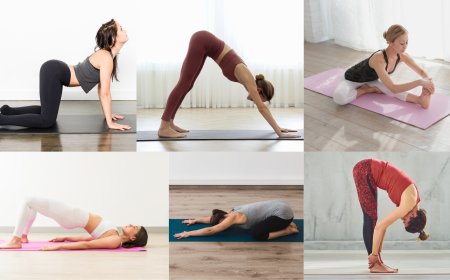
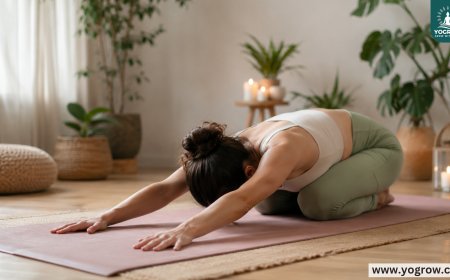
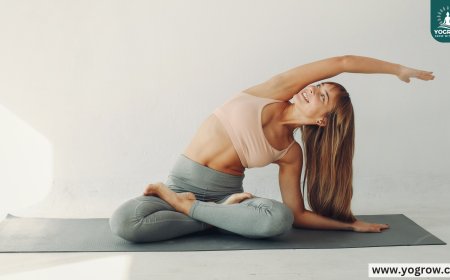
Include simple poses such as Child’s Pose, Cat-Cow, and Seated Forward Bend. Move slowly and focus on how your body feels in each position.
Step 4: Focus on Mindful Awareness
Avoid rushing through poses. Instead, stay present with your breath and sensations. This mindfulness is what makes the practice therapeutic.
Step 5: End with Relaxation (Savasana)
Lie down comfortably and allow your body to fully relax for 5–10 minutes. This final step helps integrate the benefits of your practice.
For more beginner-friendly stress relief techniques, you can also explore Healthline’s yoga for stress guide.
Gentle yoga is a powerful practice that supports mental calm, emotional balance, and nervous system healing. Its slow, mindful approach makes it feel like therapy for the mind, especially in a world filled with constant pressure and distraction.
By practicing regularly, you can build resilience, reduce anxiety, and create a deeper connection with yourself. To continue your journey, explore our related guide on daily yoga benefits for mind and body transformation.
If this resonates with you, consider subscribing to Yogrow.ca for more mindful yoga insights, or explore our other wellness blogs to deepen your practice and inner peace.
What's Your Reaction?
 Like
0
Like
0
 Dislike
0
Dislike
0
 Love
0
Love
0
 Funny
0
Funny
0
 Angry
0
Angry
0
 Sad
0
Sad
0
 Wow
0
Wow
0