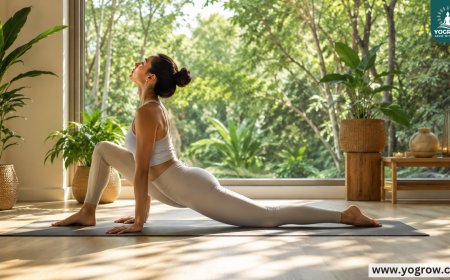


Which Trimester Are You In? Discover the Perfect Yoga Routine for You
Discover the perfect prenatal yoga routine for your current trimester. Boost comfort, strength, and peace with yoga tailored to each pregnancy stage.

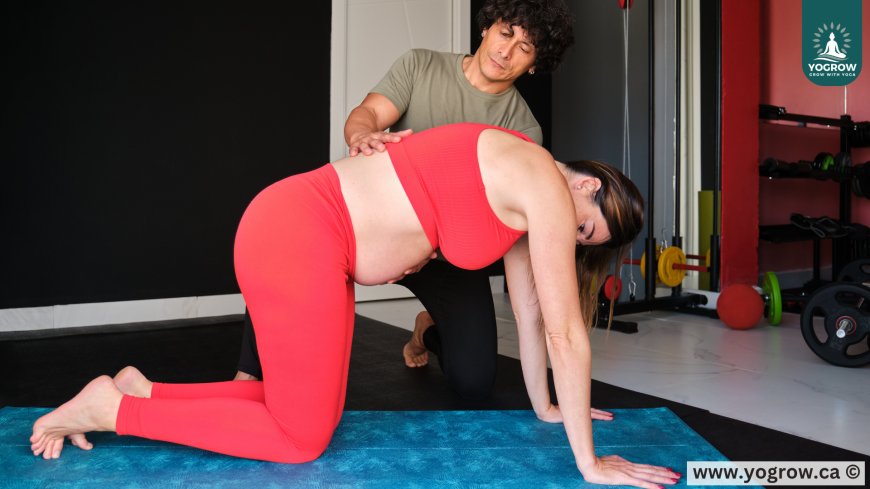
Pregnancy is a journey of constant change—and your body’s needs evolve with each trimester. That’s why tailoring your prenatal yoga routine to your current stage can make all the difference. Whether you’re just starting your pregnancy or entering the final stretch, understanding which trimester you’re in helps you choose the right yoga poses to stay strong, balanced, and relaxed.
In this guide, we’ll break down trimester-specific yoga routines and explore why adapting your practice is essential for both you and your baby.
Significance of Trimester-Specific Yoga Routines
Not all yoga practices are created equal—especially during pregnancy. As your body grows and shifts, so should your movements and stretches. Here’s why a trimester-specific yoga routine isn’t just helpful—it’s vital.
1. Supports Physical Changes in Each Trimester
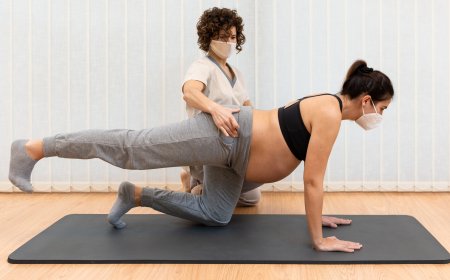
During the first trimester, you may feel fatigued or nauseous, requiring gentle, grounding poses. In the second trimester, your energy may return, allowing for deeper stretching and strength-building. And in the third trimester, as your belly expands, balance and core support become a priority.
Adapting yoga routines based on your trimester helps prevent strain and enhances physical comfort. According to PregActive, modifying yoga practices by trimester can reduce complications and support a smoother birth experience.


If you're just beginning, check out our guide on gentle prenatal yoga poses for a smooth pregnancy to start safely.
2. Enhances Mental & Emotional Wellbeing
Hormonal shifts during pregnancy can lead to mood swings, anxiety, and even prenatal depression. Tailored yoga sessions that match your trimester help ground your mind with breathing techniques and meditation, providing emotional resilience when you need it most.
Plus, moving in sync with your body’s current state enhances mindfulness, helping you feel more connected to your baby and your own inner strength.
3. Reduces Pregnancy Discomforts
Yoga can significantly ease common pregnancy symptoms like back pain, swollen feet, and digestive issues—but only when done safely and appropriately for your trimester.
For instance, in the second and third trimesters, positions that open the hips and strengthen the pelvic floor can relieve pressure and prepare your body for labor. Always avoid deep twists or poses that put pressure on the abdomen—something that’s easier to manage with trimester-specific guidance.
4. Prepares the Body for Labor and Delivery
As you move closer to your due date, the goal of your yoga routine should shift toward endurance, breath control, and pelvic awareness.
By incorporating specific third-trimester yoga techniques—such as squats, cat-cow stretches, and modified warriors—you build the stamina and flexibility needed for childbirth. Healthline’s prenatal yoga guide offers great visual support for these routines.


Step-by-Step: The Right Yoga Routine for Each Trimester
Here's a trimester-wise breakdown of how to structure your yoga practice:
First Trimester (Weeks 1–12): Foundation & Awareness
Focus: Rest, gentle movement, breath awareness
Avoid: Intense inversions, overheating, abdominal pressure
Routine Tips:
-
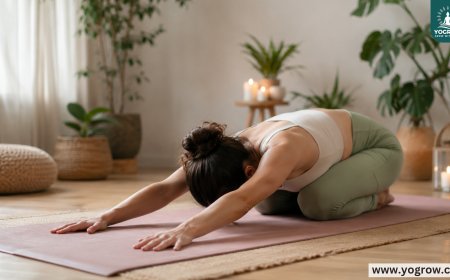
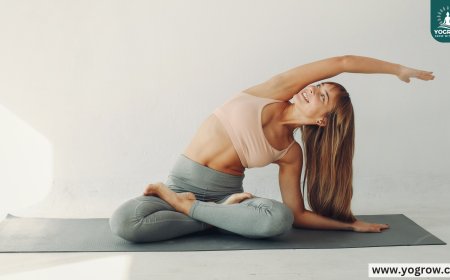
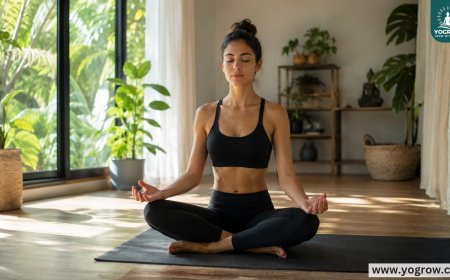
Start with grounding poses like Child’s Pose and Sukhasana (Easy Pose) for breathwork.
-
Include gentle flows like Cat-Cow to relieve nausea and tension.
-
Short, 15–20 minute sessions are ideal during early fatigue.
Key Pose: Bound Angle Pose (Baddha Konasana) – opens hips, encourages circulation.
Second Trimester (Weeks 13–27): Strength & Stability
Focus: Building strength, improving posture, balancing the body
Avoid: Poses on your back (especially after 20 weeks), deep twists
Routine Tips:
-
Include standing poses like Warrior I & II for leg strength.
-
Practice Goddess Pose for pelvic floor engagement.
-
Use props like blocks or bolsters to maintain comfort and alignment.
Key Pose: Bridge Pose (Setu Bandhasana) – supports lower back and strengthens glutes.
Third Trimester (Weeks 28–40): Comfort & Preparation
Focus: Pelvic mobility, breath control, mental calm
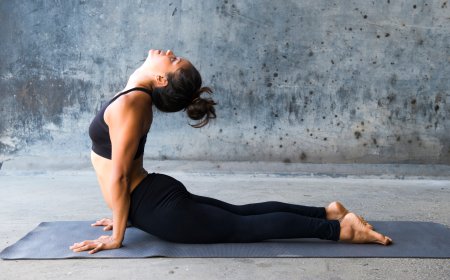
Avoid: Balancing poses without support, long holds, deep backbends
Routine Tips:
-
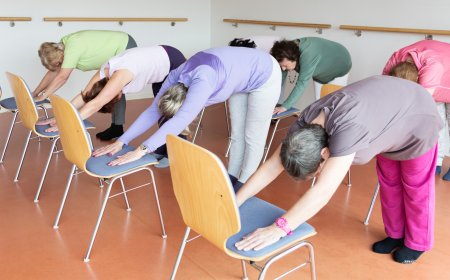
Use a chair or wall for stability in standing poses.
-
Practice hip-opening poses like Malasana (Yogi Squat) with a block underneath.
-
End sessions with guided relaxation or prenatal meditation.
Key Pose: Wide-Legged Forward Fold (with support) – encourages pelvic opening, relieves tension.
To explore a gentle practice for this phase, try our calming guide: Flow Into Motherhood: Gentle Yoga for Expecting Moms.
Conclusion: Align Your Yoga Practice with Your Pregnancy Journey
Every trimester brings new changes—and honoring those shifts with the right yoga routine supports your body, mind, and growing baby. From early grounding poses to third-trimester breathwork, trimester-specific yoga isn’t just safe—it’s empowering.
As you continue your journey, we invite you to explore more gentle yoga flows for expecting moms and deepen your connection to motherhood through mindful movement.
Ready to feel more balanced and supported during your pregnancy? Comment below, book a virtual prenatal yoga class, or explore our latest blog posts for more guidance!
What's Your Reaction?
 Like
0
Like
0
 Dislike
0
Dislike
0
 Love
0
Love
0
 Funny
0
Funny
0
 Angry
0
Angry
0
 Sad
0
Sad
0
 Wow
0
Wow
0