



Can’t Sit Still for Meditation? 5 Proven Tips to Stay Calm and Focused
Struggling with meditation? Discover 5 expert tips to stay focused, calm, and consistent. Learn the benefits of morning meditation and beginner-friendly steps.

Meditation is one of the simplest yet most powerful practices for calming the mind, reducing stress, and cultivating inner peace. But for many beginners, the biggest challenge is sitting still and staying focused. You might feel restless, doze off, or find your thoughts racing the moment you close your eyes. If this sounds familiar, you’re not alone. The good news is that with the right approach, meditation can become a rewarding and sustainable habit. In this article, we’ll explore the benefits of morning meditation, share expert-backed beginner tips, and provide a step-by-step guide to making meditation part of your daily routine.
Benefits of Morning Meditation
Meditation, especially when practiced in the morning, can transform your day and long-term wellbeing. Let’s explore why making it part of your routine is worth the effort.
1. Sets a Positive Tone for the Day
Morning meditation creates a sense of calm and focus before the day begins. According to yoga teacher Saurabh Bothra, co-founder of Habuild, the early hours provide natural stillness, making it easier to focus inward. Just 5–10 minutes can improve clarity, resilience, and presence, helping you respond to daily challenges with composure Hindustan Times.
2. Reduces Stress and Anxiety
Meditation activates the body’s relaxation response, lowering cortisol levels and easing mental tension. Studies highlight its ability to regulate emotional balance and decrease anxiety symptoms. When practiced regularly, morning meditation becomes a natural stress-buffer that grounds you before work, family responsibilities, or unexpected challenges.
3. Improves Focus and Productivity
Your morning mindset shapes the quality of your entire day. By practicing mindfulness early on, you strengthen your attention span and train your brain to stay present. In fact, research featured in The New York Times emphasizes how meditation enhances attention control and helps manage distractions NYTimes. This makes you more productive and less reactive to interruptions.


4. Enhances Emotional Wellbeing
Meditation cultivates self-awareness and emotional regulation. By pausing each morning to notice your breath and thoughts, you create space between triggers and reactions. Over time, this fosters greater patience, empathy, and emotional resilience.
5. Supports Long-Term Mental Clarity
Consistent meditation builds a sharper, calmer mind. As highlighted in our blog on effective micro-mindfulness habits , small daily practices like morning meditation accumulate into powerful long-term benefits—improving memory, decision-making, and overall cognitive health.
Practical Steps for Beginners: How to Start Morning Meditation
Now that we understand the benefits, the question remains—how do you actually sit still and stay focused as a beginner? Here are five practical tips from experts that can make meditation simple and approachable.
Step 1: Find Your Posture
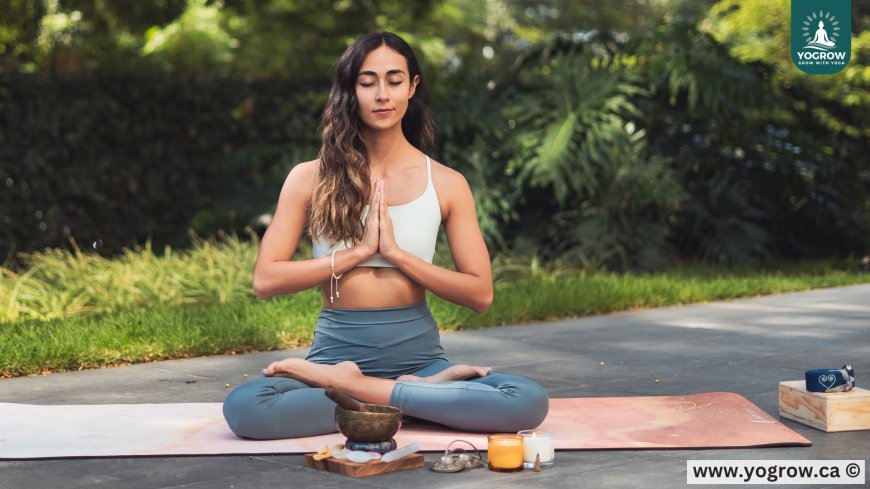
Sit comfortably with your spine tall but relaxed, shoulders soft, and hands resting in your lap. You can sit cross-legged on the floor or on a chair with feet flat. Keep your chin slightly tucked to align your neck. This posture keeps your body steady while allowing your mind to stay alert.
Step 2: Start Small with Duration
For beginners, 5–10 minutes is enough. Don’t pressure yourself to meditate for long stretches. You can extend your practice to 20 minutes gradually as you become more comfortable.
Step 3: Adjust Your Mindset
Don’t expect to “clear your mind” right away. Instead, set the intention to simply be present. When thoughts arise—which they will—acknowledge them without judgment and gently return to your breath or chosen point of focus.
Step 4: Prioritize Consistency Over Perfection
A short, daily meditation is far more impactful than irregular long sessions. By meditating at the same time each morning, you create a habit that becomes second nature—just like brushing your teeth.


Step 5: Use Simple Aids to Stay Engaged
If sitting in silence feels overwhelming, try using a guided meditation app, soft background music, or breath-focused techniques. Even a comparison of yoga vs meditation shows that tools like breathwork or gentle yoga stretches can ease beginners into deeper focus.
How to Prepare for a Morning Meditation Practice
To make meditation a sustainable habit, it helps to create the right environment and routine around it.
-
Choose a Quiet Spot – Pick a clutter-free corner in your bedroom, balcony, or garden with minimal distractions.
-
Set the Atmosphere – Dim lighting, fresh air, or a candle can help signal the start of your practice.
-
Use a Yoga Mat or Cushion – This ensures comfort while keeping your posture steady.
-
Wear Comfortable Clothing – Loose, breathable fabrics prevent fidgeting and allow for stillness.
As noted by Bothra, meditation acts as an anchor in your day, grounding your mind and body before the rush begins.
Morning meditation may feel challenging at first, but with small, consistent steps, it becomes a deeply rewarding habit. The benefits are undeniable—reduced stress, improved focus, and greater emotional balance—all from just a few minutes of stillness each day.
If you’re struggling with restlessness or boredom, remember that you’re not alone. Start small, be consistent, and use simple aids to stay engaged. You might also find it helpful to explore other mindfulness practices, like the ones we’ve outlined in our blog on micro-mindfulness habits .
Want to understand how meditation fits within a broader wellness journey? Don’t miss our guide on yoga vs meditation and their unique benefits .
Begin your meditation journey today—your calmer, clearer, and more focused self is waiting.
What's Your Reaction?
 Like
0
Like
0
 Dislike
0
Dislike
0
 Love
0
Love
0
 Funny
0
Funny
0
 Angry
0
Angry
0
 Sad
0
Sad
0
 Wow
0
Wow
0