
From Stillness to Strength: How Hatha Yoga Creates Balance, Power, and Grace
Discover how static Hatha Yoga poses build strength, balance, and grace. Learn benefits, key poses, and practical steps to transform your practice.

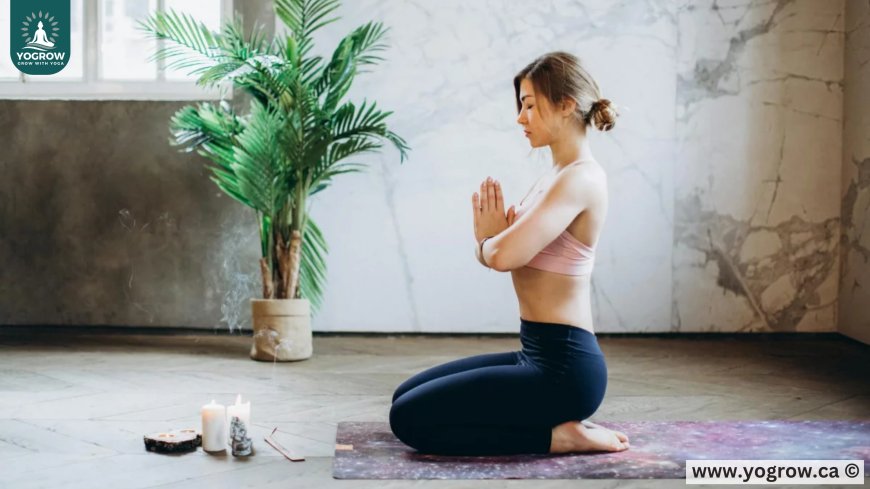
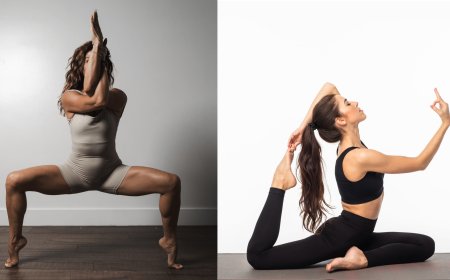
In a world obsessed with fast movement and instant results, Hatha Yoga invites us to slow down—and become stronger through stillness. Strength through stillness is the foundation of Hatha Yoga, where holding poses builds muscular endurance, stability, and deep body awareness. Rather than relying on momentum, this practice uses isometric holds to cultivate lasting strength and graceful control. Today, as people seek sustainable fitness and mental clarity, Hatha Yoga stands out as a powerful method for developing both physical resilience and inner calm.
Benefits of Hatha Yoga for Strength and Grace
Hatha Yoga offers far more than flexibility. Its deliberate pace and static poses provide profound physical and mental benefits that translate into everyday life.
1. Isometric Strength: Building Muscles Without Movement
One of the most significant benefits of Hatha Yoga is its use of isometric contractions, where muscles engage without changing length. Holding poses like Plank or Warrior III forces muscles to remain active against gravity, increasing strength and endurance over time.
Unlike high-impact workouts, isometric holds reduce strain on joints while still delivering impressive strength gains. This makes Hatha Yoga accessible for beginners, older adults, and anyone recovering from injury. According to experts, combining yoga-based strength with functional training can significantly enhance overall fitness, a concept also explored in this guide on building strength and grace with Hatha Yoga from a respected yoga authority:
Build strength and grace with Hatha Yoga – https://www.punnuwasu.com/articles/build-strength-grace-with-hatha-yoga.
2. Core Engagement: Creating a Strong Foundation
Hatha Yoga places constant emphasis on core engagement, strengthening deep abdominal and spinal muscles that support posture and balance. A strong core is essential not just for yoga poses but for everyday movements like walking, lifting, and sitting.

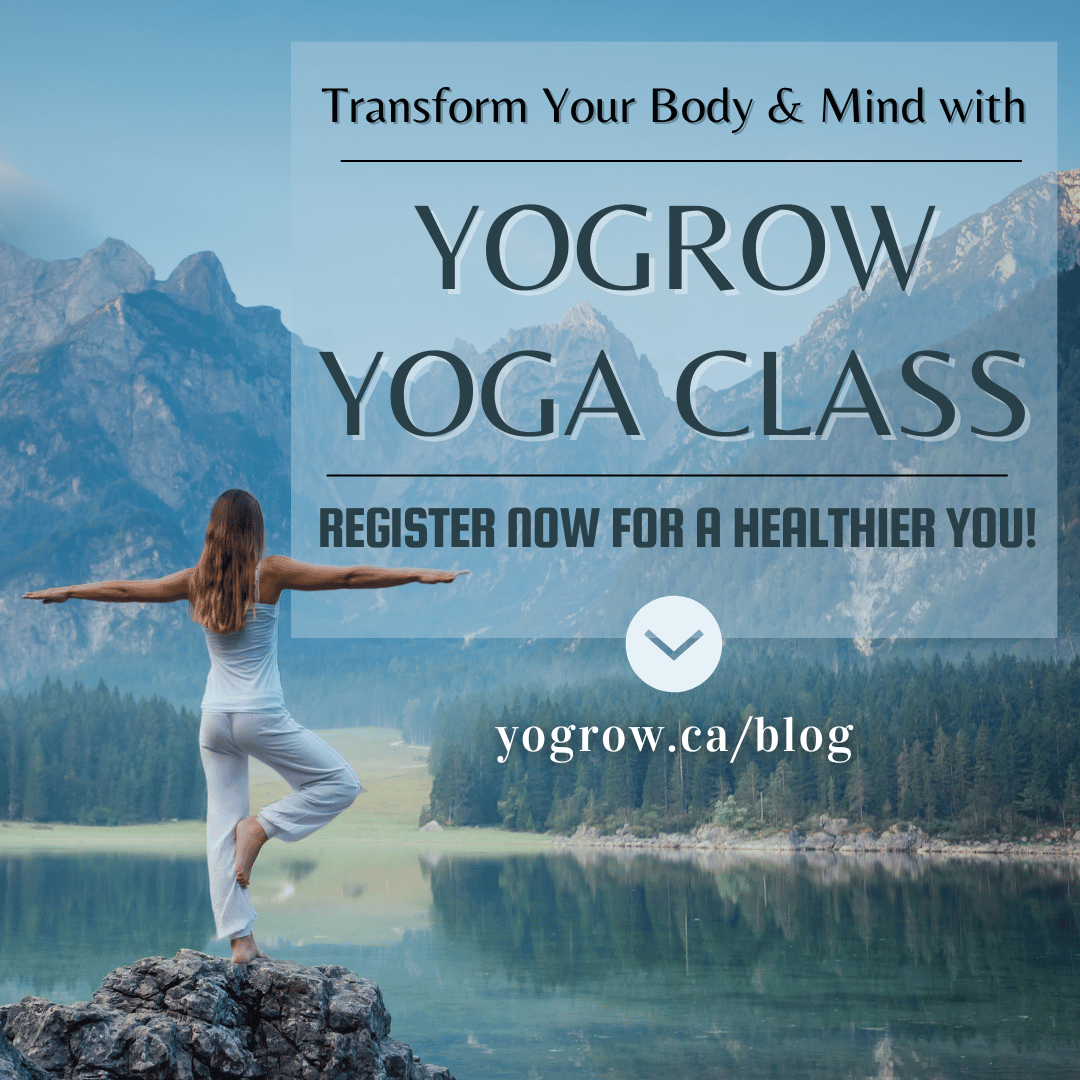
Poses such as Plank, Boat Pose, and balancing postures activate stabilizing muscles often ignored in traditional workouts. This creates a solid foundation for graceful, efficient movement. If you enjoy heat-based practices that also challenge your core, you may find value in reading hot yoga benefits you can’t ignore: sweat, strength & serenity, which explores how heat amplifies strength and endurance: https://yogrow.ca/blog/hot-yoga-benefits-you-cant-ignore-sweat-strength-serenity-yogrow.
3. Balance and Stability: Strength Meets Grace
Grace is not just about flexibility—it’s about control. Hatha Yoga’s balancing poses demand muscular strength, joint stability, and mental focus simultaneously. Standing poses like Tree Pose and Half Moon Pose train small stabilizing muscles that improve coordination and prevent falls.
Over time, this balance training enhances body awareness and confidence. You begin to move with intention rather than effort, creating a natural sense of grace both on and off the mat.
4. Mind-Body Connection: Strengthening Mental Resilience
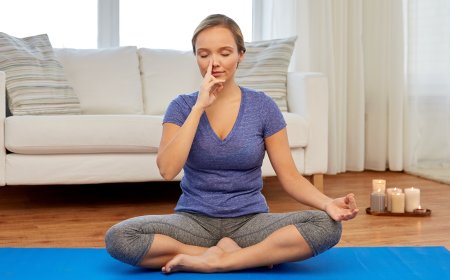
Holding challenging poses requires patience, focus, and breath control. Hatha Yoga strengthens not only the body but also the mind. As you remain still in discomfort, you learn to observe sensations without reacting impulsively.
This mindful engagement improves concentration, emotional regulation, and stress resilience. The ability to stay calm under pressure on the mat translates into greater composure in daily life—whether at work, in relationships, or during stressful moments.
5. Sustainable Strength for Long-Term Well-Being
Unlike intense workouts that can lead to burnout or injury, Hatha Yoga builds strength gradually and sustainably. Its emphasis on alignment and breath ensures that progress happens safely over time.
This long-term approach supports joint health, mobility, and longevity, making Hatha Yoga a lifelong practice rather than a temporary fitness trend.


Key Hatha Yoga Poses for Strength and Grace
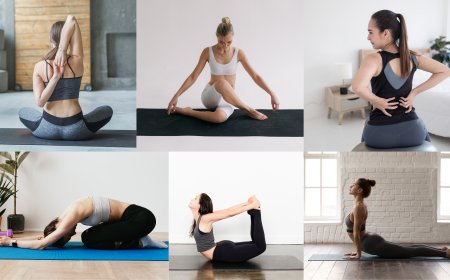
To experience the full benefits of Hatha Yoga, incorporating specific poses is essential. These postures challenge strength while cultivating balance and fluidity.
Plank Variations (Phalakasana): Core and Upper Body Power
Plank Pose is a cornerstone of strength-building in Hatha Yoga. It engages the core, shoulders, arms, and legs simultaneously.
-
Forearm Plank increases core activation and shoulder stability.
-
Side Plank (Vasisthasana) strengthens obliques and wrists while improving balance.
-
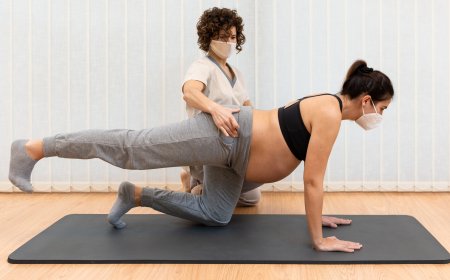
Plank with Leg Lift challenges coordination and deep core engagement.
Holding these variations builds functional strength that supports advanced poses and daily activities.
Balancing Poses: Strength with Stability
Balancing poses demand total-body engagement and mental focus.
-
Tree Pose (Vrksasana) strengthens ankles, legs, and core while improving concentration.
-
Warrior III (Virabhadrasana III) builds powerful legs and back muscles while refining balance.
-
Half Moon Pose (Ardha Chandrasana) combines strength, flexibility, and spatial awareness.
Practicing these poses regularly cultivates both physical steadiness and graceful control.
Flowing Sequences: Strength in Motion
While Hatha Yoga emphasizes stillness, flowing sequences connect poses into mindful movement.
-
Sun Salutations (Surya Namaskar) warm up the body and build total-body strength.
-
Warrior Sequences enhance stamina, leg strength, and mobility.
-
Balancing Flows improve coordination and fluid transitions.
These sequences bridge strength and grace, creating a moving meditation that energizes the body.
Practical Steps to Build Strength Through Stillness
Ready to apply these principles to your own practice? Follow these step-by-step guidelines to safely develop strength and grace with Hatha Yoga.
Step 1: Start with Foundational Poses
Begin with basic poses like Plank, Warrior I, and Tree Pose. Focus on proper alignment and steady breathing rather than duration. Hold each pose for 20–30 seconds, gradually increasing as strength improves.
Step 2: Prioritize Alignment Over Depth
Proper alignment ensures muscles work efficiently and reduces injury risk. Use mirrors, props, or guidance from a qualified instructor to refine your form. Strong alignment leads to graceful movement.
Step 3: Use Breath as Your Anchor
Deep, controlled breathing supports muscular engagement and mental focus. Inhale to create space, exhale to deepen stability. Breathwork transforms static holds into energizing experiences.
Step 4: Progress Gradually
Avoid rushing into advanced variations. Strength develops over time through consistency. As your endurance grows, explore longer holds or more challenging balance poses.
Step 5: Complement Yoga with Strength Education
Understanding how strength training supports yoga can enhance results. This expert-backed resource on weight-training exercises to power up your yoga practice offers valuable insights into integrating strength principles effectively:
https://www.yogajournal.com/practice/yoga-sequences/8-weight-training-exercises-to-power-up-your-yoga-practice/.
Hatha Yoga beautifully proves that strength and grace are not opposites—they are partners. Through stillness, mindful engagement, and intentional breath, you build a powerful body supported by calm focus and fluid movement. The strength gained on the mat extends into daily life, improving posture, confidence, and resilience.
If you’re ready to deepen your practice and recharge your energy, explore 7 yoga practices that truly work to restore vitality on Yogrow.ca:
https://yogrow.ca/blog/recharge-your-energy-fast-7-yoga-practices-that-truly-work.
Take the next step—roll out your mat, embrace stillness, and experience the transformative power of Hatha Yoga. Subscribe to our blog, book a session, or leave a comment to share your journey toward strength and grace.
What's Your Reaction?
 Like
0
Like
0
 Dislike
0
Dislike
0
 Love
0
Love
0
 Funny
0
Funny
0
 Angry
0
Angry
0
 Sad
0
Sad
0
 Wow
0
Wow
0