How Yoga Improves Your Mood in Just Minutes—It’s Unbelievable
Discover how yoga improves mood fast by reducing stress, boosting happiness hormones, and supporting mental health with simple beginner-friendly practices
Yoga improves your mood faster than most people expect, often within just a few minutes of practice. In today’s fast-paced world, stress, anxiety, and emotional fatigue have become part of daily life for many. That’s why more people are turning to yoga as a natural way to feel emotionally balanced and mentally refreshed.
What makes yoga unique is how quickly it can influence your mind and body together. Through breathing techniques, mindful movement, and relaxation, yoga helps shift your emotional state almost instantly. In this article, we’ll explore how yoga improves your mood so fast, backed by science, practical steps, and simple routines you can start today.
Benefits of Yoga for Mood and Emotional Well-Being
Yoga is not just physical exercise—it is a powerful mental wellness practice that directly affects your emotional state. Below are some of the most important ways yoga improves mood quickly and effectively.
1. Reduces Stress Hormones and Calms the Nervous System
One of the fastest ways yoga improves mood is by reducing cortisol, the body’s primary stress hormone. When cortisol levels are high, you may feel anxious, irritable, or mentally exhausted. Yoga helps activate the parasympathetic nervous system, which is responsible for relaxation and recovery.
According to Harvard Health Publishing, yoga has been shown to reduce stress and improve mental well-being by calming the body’s stress response system and improving emotional resilience.
Even a short 10–15 minute session can create noticeable emotional relief, making yoga one of the fastest natural mood stabilizers.
2. Increases Serotonin and Feel-Good Chemicals
Yoga supports the release of neurotransmitters like serotonin and dopamine, which are responsible for happiness and motivation. This is why many people feel lighter, calmer, and more positive immediately after a yoga session.
Gentle movements combined with deep breathing stimulate brain activity linked to emotional balance. Over time, this can help reduce symptoms of mild depression and emotional instability.
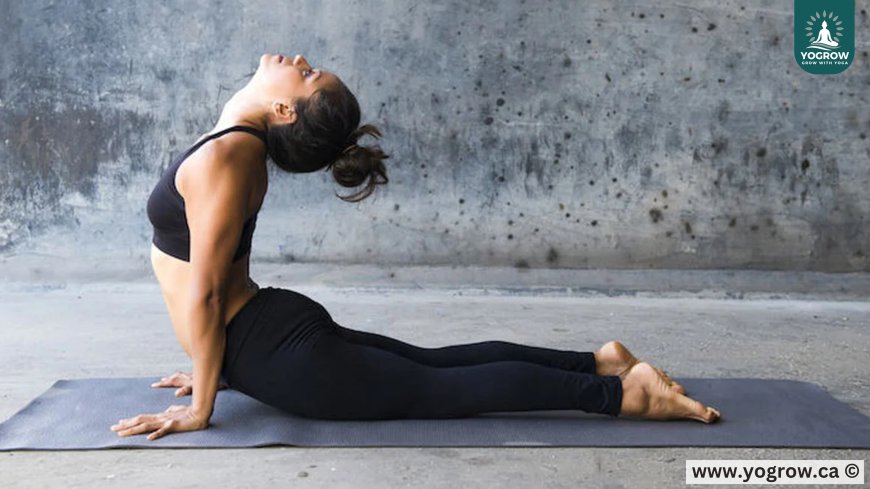
This simple flow is designed to lift your energy and improve your emotional state quickly.
3. Improves Mindfulness and Emotional Awareness
Yoga trains your mind to stay in the present moment. This mindfulness helps reduce overthinking, which is one of the biggest causes of anxiety and low mood.
When you focus on breathing and movement, your attention shifts away from stress triggers and negative thought patterns. Over time, this builds emotional awareness and better control over reactions.
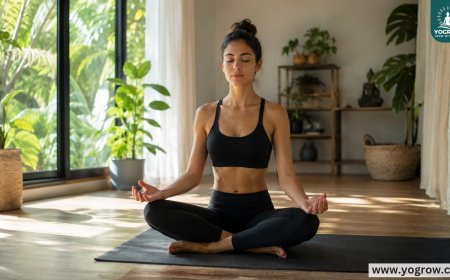
This type of yoga helps you slow down your thoughts and reconnect with inner calm.
4. Releases Physical Tension Stored in the Body
Stress doesn’t just affect the mind—it also gets stored in the body as tight shoulders, stiff neck, or lower back pain. Yoga helps release this tension through stretching and controlled breathing.
When physical tension reduces, emotional stress also begins to fade. This mind-body connection is one of the reasons yoga feels so refreshing even after a short session.
Gentle poses like child’s pose, forward bends, and spinal twists are especially effective for releasing emotional heaviness stored in the body.
5. Enhances Sleep Quality, Which Improves Mood
Poor sleep is directly linked to low mood, irritability, and mental fatigue. Yoga helps regulate sleep cycles by calming the mind before bedtime and reducing anxiety.
Studies show that people who practice yoga regularly experience deeper, more restorative sleep. Better sleep leads to improved emotional stability, focus, and overall happiness during the day.
This creates a positive cycle—better sleep improves mood, and better mood supports healthier sleep.
Practical Steps: How to Use Yoga to Improve Your Mood Quickly
If you want to experience the mood-boosting effects of yoga immediately, consistency and simplicity are key. You don’t need advanced poses—just a focused routine.
Step 1: Start with Deep Breathing (2–3 minutes)
Begin by sitting comfortably and focusing on slow, deep breaths. Inhale through your nose, hold briefly, and exhale slowly. This immediately signals your nervous system to relax.
Step 2: Do Gentle Movement (5–10 minutes)
Move into simple yoga poses such as:
Cat-Cow stretch
Forward fold
Child’s pose
Seated twists
These movements help release tension and improve circulation, which boosts mental clarity.
Step 3: Follow a Structured Beginner Routine
If you're unsure where to start, a guided flow can help you stay consistent and focused. Try this simple practice designed for beginners: Beginner Yoga Flow to Improve Daily Mood and EnergyEven 10 minutes daily can significantly improve emotional stability over time.
Step 4: Practice Slow, Mindful Yoga Weekly
In addition to daily short sessions, include slower practices 2–3 times per week. These sessions help your nervous system reset deeply and improve emotional resilience.
Always finish your practice with 2–5 minutes of rest in Savasana. This allows your body and mind to absorb the benefits of the session, leaving you feeling refreshed and mentally clear.
Yoga is one of the fastest and most natural ways to improve your mood. It works by reducing stress hormones, increasing feel-good chemicals, improving mindfulness, releasing physical tension, and supporting better sleep. Even a short daily practice can create noticeable emotional shifts.
The best part is that you don’t need to be experienced to start—simple movements and mindful breathing are enough to feel the difference.










 Like
0
Like
0
 Dislike
0
Dislike
0
 Love
0
Love
0
 Funny
0
Funny
0
 Angry
0
Angry
0
 Sad
0
Sad
0
 Wow
0
Wow
0