


PCOS and Yoga: 7 Powerful Movements That Support Hormonal Balance
Discover yoga movements that support hormonal stability for PCOS. Learn poses that improve insulin sensitivity, reduce stress, and support hormonal balance.


PCOS yoga for hormone health is gaining attention as more women seek natural ways to support their bodies alongside medical treatment. Polycystic Ovary Syndrome (PCOS) affects nearly 10–13% of women of reproductive age, according to the World Health Organization, yet many cases remain undiagnosed. The condition often involves hormonal imbalance, insulin resistance, and chronic low-grade inflammation that gradually disrupts metabolic and reproductive health.
While medication and clinical care remain essential, lifestyle practices such as yoga are increasingly recognized for their supportive role. Gentle yoga movements can improve circulation, regulate stress hormones, and help the body manage glucose more efficiently. Over time, this may contribute to better hormonal stability. By combining mindful breathing with targeted postures, yoga offers a holistic approach that supports both physical and emotional well-being.
Benefits of Yoga Movements for Hormonal Stability in PCOS
Improved Insulin Sensitivity
One of the key metabolic challenges associated with PCOS is insulin resistance. When the body becomes less responsive to insulin, blood sugar levels rise, which can lead to increased androgen production. This hormonal imbalance contributes to symptoms such as irregular periods, acne, and unwanted hair growth.
Yoga can play a supportive role in improving insulin sensitivity. Movement stimulates muscle activity, which helps the body absorb glucose from the bloodstream more effectively. According to research discussed in the National Library of Medicine, regular yoga practice has been shown to improve insulin resistance and metabolic markers in women with PCOS.
Dynamic sequences such as Surya Namaskar engage multiple muscle groups simultaneously, improving glucose metabolism while enhancing circulation. This combination helps reduce metabolic stress on the body and supports more stable hormonal signaling.


If you want to explore how yoga can naturally support hormonal balance, this guide on yoga for PCOS and hormonal health explains how consistent yoga practice may contribute to long-term symptom management.
Reduced Stress and Cortisol Levels
Stress is often an overlooked factor in hormonal imbalance. Chronic stress elevates cortisol, a hormone that can worsen insulin resistance and increase inflammation. Over time, high cortisol levels can disrupt communication between the brain and ovaries, further complicating PCOS symptoms. Yoga encourages the activation of the parasympathetic nervous system, often referred to as the “rest and digest” state. Slow breathing, gentle movement, and mindfulness help calm the nervous system and reduce stress hormone production.
Restorative poses such as Balasana (Child’s Pose) and Viparita Karani (Legs-Up-the-Wall Pose) promote deep relaxation and emotional balance. By lowering stress levels, yoga indirectly supports healthier hormone regulation and improves overall well-being.
Better Circulation to Reproductive Organs
Healthy circulation is essential for optimal ovarian and reproductive function. In many women with PCOS, poor circulation and metabolic sluggishness can contribute to hormonal irregularities.
Certain yoga poses specifically encourage blood flow to the pelvic region. Movements such as Malasana (Garland Pose) and Setu Bandhasana (Bridge Pose) gently stimulate the abdominal and pelvic organs. Improved blood flow supports nutrient delivery and hormonal signaling within the reproductive system.
Enhanced circulation may also help reduce pelvic congestion and promote better ovarian function over time. While yoga cannot eliminate ovarian cysts directly, it supports the body’s natural metabolic and hormonal processes.
For further insights into how yoga postures may support metabolic health and hormonal balance, the wellness feature on PCOS-related inflammation and yoga poses provides additional perspective on the connection between yoga and PCOS management.


Improved Digestive and Metabolic Health
Digestive health is closely connected to hormone regulation. When digestion slows or becomes inefficient, it can lead to blood sugar instability, bloating, and inflammation—all common concerns for women with PCOS.
Yoga poses involving twists and abdominal engagement support digestive function. For example, Ardha Matsyendrasana (Half Spinal Twist) gently compresses and releases abdominal organs, stimulating digestive activity.
Improved digestion helps stabilize blood sugar levels, reducing sudden insulin spikes. Stable insulin levels may lower excess androgen production, which is one of the primary drivers of PCOS symptoms. Regular yoga practice also helps maintain a healthy metabolism by strengthening large muscle groups and improving overall energy balance.
Emotional Balance and Mental Well-Being
Living with PCOS can be emotionally challenging. Many women experience mood fluctuations, anxiety, or frustration due to hormonal changes and physical symptoms.
Yoga offers both physical and psychological benefits. Through mindful breathing, meditation, and slow movement, yoga encourages mental clarity and emotional resilience.
Practices that emphasize relaxation help reduce anxiety and support better sleep patterns. Since sleep quality directly influences hormone regulation, this benefit is especially valuable for women managing PCOS. The holistic nature of yoga allows individuals to reconnect with their bodies, creating a sense of empowerment and self-care that supports long-term health.
Practical Steps: Yoga Movements That May Support Hormonal Stability
Incorporating yoga into your routine does not require advanced flexibility or long sessions. Consistency is more important than intensity. The following poses are commonly recommended for supporting hormonal and metabolic health in women with PCOS.
1. Surya Namaskar (Sun Salutation)
Surya Namaskar is a flowing sequence of 12 movements that combines stretching, strengthening, and rhythmic breathing. The continuous movement gently raises the heart rate, making it beneficial for improving circulation and metabolic activity.
Because insulin resistance plays a central role in PCOS, this dynamic sequence helps the body utilize glucose more efficiently. Practicing 5–10 rounds each morning can stimulate metabolism while energizing the body.
2. Malasana (Garland Pose)
Malasana is a deep squat that opens the hips and stimulates pelvic circulation. This pose engages large muscle groups such as the glutes and thighs, which helps improve glucose metabolism.
Holding the posture for 30–60 seconds while breathing slowly may gently massage abdominal organs and support digestive health. The deep squat also strengthens the lower body and improves flexibility in the hips and pelvis.
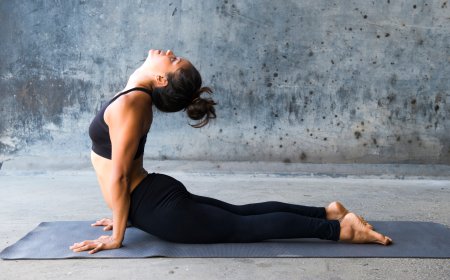
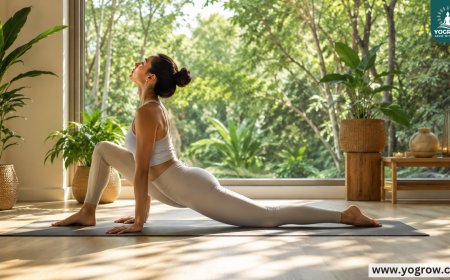
3. Bhujangasana (Cobra Pose)
Bhujangasana stretches the abdomen and strengthens the lower back. This pose stimulates the adrenal glands, which play an important role in regulating stress hormones.
By reducing stress-related hormonal fluctuations, Cobra Pose may help stabilize the body’s internal signaling between the brain and reproductive system. Practicing this pose regularly can also improve posture and spinal flexibility.
4. Setu Bandhasana (Bridge Pose)
Bridge Pose activates the glutes and hamstrings while gently stretching the chest and neck. This posture also encourages blood flow to the pelvic organs and thyroid region.
Thyroid health and PCOS are often interconnected, particularly in women experiencing subclinical hypothyroidism. Practicing Bridge Pose can support metabolic balance while improving strength in the posterior chain muscles.
5. Ardha Matsyendrasana (Half Spinal Twist)
Twisting poses like Ardha Matsyendrasana stimulate digestion and support detoxification. The gentle compression and release of abdominal organs enhances circulation and digestive efficiency.
Improved digestion helps stabilize blood sugar levels and reduce insulin spikes. Over time, this may contribute to better hormonal balance.
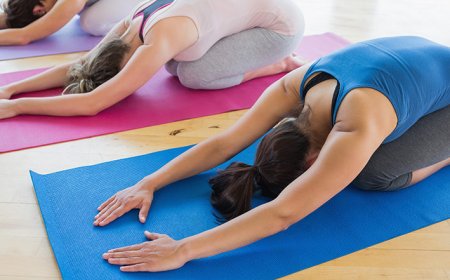
6. Balasana (Child’s Pose)
Balasana is a restorative pose that calms the nervous system and encourages deep breathing. It is particularly helpful for reducing stress and anxiety, which can worsen PCOS symptoms.
Holding this pose for one to two minutes allows the body to relax and reset. It is often used between more active poses to restore balance and encourage mindfulness.
7. Viparita Karani (Legs-Up-the-Wall Pose)
Viparita Karani is a gentle inversion that promotes relaxation and improves circulation. Elevating the legs helps blood flow return toward the heart while calming the nervous system.
This pose is especially beneficial for relieving fatigue, which many women with PCOS experience. Practicing it for 5–10 minutes before bedtime may also improve sleep quality.
Additional insights on yoga therapy for PCOD and its supportive role in hormonal health can be explored in this detailed guide on PCOD and yoga practices.
Managing PCOS often requires a multifaceted approach that combines medical care, lifestyle adjustments, and stress management. Yoga movements that encourage hormonal stability provide a gentle yet powerful way to support the body’s natural balance. By improving insulin sensitivity, reducing inflammation, enhancing circulation, and calming the nervous system, yoga can complement traditional PCOS treatment strategies.
Consistency is key. Even a short daily practice can gradually improve metabolic health and emotional well-being. Over time, these small steps may help reduce the intensity of symptoms and support a healthier hormonal environment.
If you would like to explore more gentle and effective practices, read our guide on slow yoga for PCOS and natural hormone balance.
Start your wellness journey today—subscribe to Yogrow for more yoga insights, explore our latest blogs, or join a guided yoga session designed to support hormonal health naturally.
What's Your Reaction?
 Like
0
Like
0
 Dislike
0
Dislike
0
 Love
0
Love
0
 Funny
0
Funny
0
 Angry
0
Angry
0
 Sad
0
Sad
0
 Wow
0
Wow
0