
Struggling to Sleep? Here’s How Yoga Can Help You Fall Asleep Faster
Discover the 10 best yoga poses for better sleep. Learn how bedtime yoga calms your mind, eases tension, and improves sleep quality naturally.

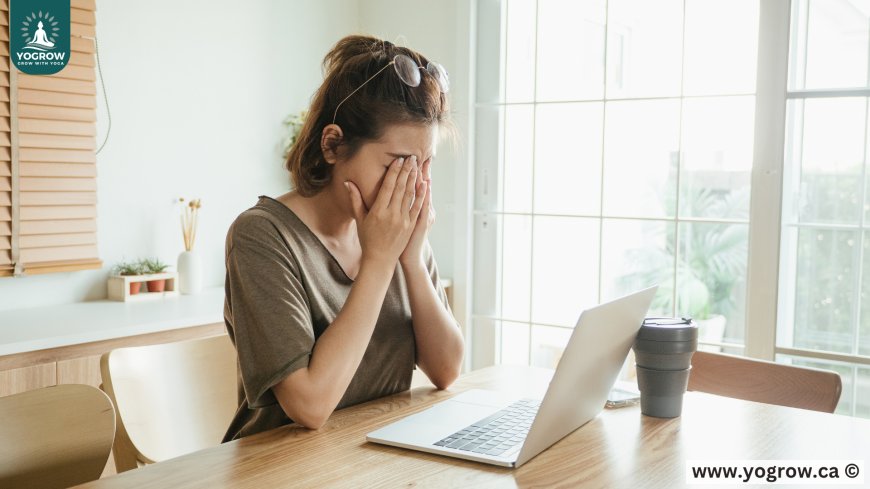
Struggling to fall asleep after a long, stressful day? You’re not alone. Millions experience restless nights due to tension, anxiety, or physical discomfort. The good news is that yoga for better sleep offers a natural and restorative solution. Through gentle stretching, mindful breathing, and relaxation techniques, bedtime yoga helps calm your nervous system and prepares your body for a deep, rejuvenating rest.
Whether you’re a seasoned yogi or a beginner, incorporating a few simple poses before bed can transform your nightly routine—and the quality of your sleep.
Benefits of Yoga for Sleep
Yoga does much more than just stretch your muscles—it soothes your mind, balances your energy, and signals your body that it’s time to rest. Practicing yoga before bed has been shown to improve sleep quality, reduce nighttime tension, and support overall well-being.
Let’s explore the top benefits of doing yoga for better sleep.
1. Reduces Joint and Muscle Pain
Pain and discomfort are common culprits behind sleepless nights. Gentle yoga poses like Cat-Cow, Knee Rocking, and Figure Four Stretch help ease stiffness in the spine, hips, and lower back—areas that tend to hold tension from long hours of sitting or standing.


According to Hinge Health, nearly 44% of participants in their yoga-based program reported better sleep and a 68% reduction in pain within just 12 weeks. Regular stretching and movement help lubricate your joints, enhance circulation, and reduce inflammation, creating the ideal conditions for restful sleep.
For more insight on how mindful breathing improves physical and emotional balance, explore our post on 3 Pranayama Techniques That Instantly Calm Your Mind and Body.
2. Calms the Nervous System
Yoga helps your body shift from “fight or flight” to “rest and digest” mode through deep, mindful breathing and slow, deliberate movement. Practices like Diaphragmatic Breathing and Child’s Pose with Side Bend stimulate the parasympathetic nervous system, helping reduce anxiety and heart rate before bed.
These techniques promote mind-body awareness, allowing you to release the mental chatter that often keeps you awake. Combined with regular practice, you’ll notice yourself falling asleep faster and waking up feeling more refreshed.
3. Eases Muscle Tension and Stiffness
Tension in your shoulders, hips, and back can make it difficult to find a comfortable sleeping position. Yoga movements like Thread the Needle or Happy Baby Pose target deep-seated tightness and promote full-body relaxation. As trainer Harpreet Sharma from Yogrow notes, these gentle stretches “bring balance to the effects of daily activities, like prolonged sitting or standing.” Over time, your body learns to relax naturally, reducing the buildup of tension that disrupts restful sleep.
4. Supports Mental Unwinding
When your mind races at night, your body struggles to relax. Yoga bridges this gap by focusing your attention on breath and sensation rather than thoughts or worries. This mindful awareness helps quiet the mental noise that often prevents deep sleep.
Gentle poses such as Wall Groin Stretch or Happy Baby allow your mind to slow down, connecting breath with movement. This mindful rhythm signals your brain that it’s safe to let go of the day’s stress—preparing you for a peaceful night’s sleep.


5. Promotes Overall Relaxation and Sleep Quality
The connection between yoga and sleep is backed by science. Research shows that bedtime yoga can improve sleep duration and quality even in people with insomnia or sleep disorders.
A Health Digest article highlights how gentle nighttime stretches lower cortisol (the stress hormone) while releasing endorphins, helping the body naturally transition into a relaxed state.
Yoga’s unique combination of breathing, mindfulness, and gentle movement makes it one of the most effective natural remedies for better sleep.
10 Best Yoga Poses for Sleep
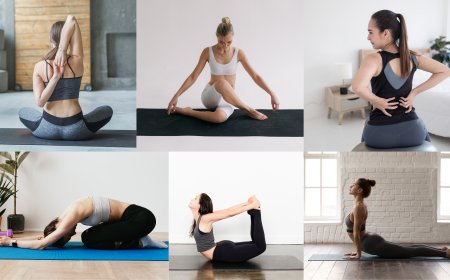
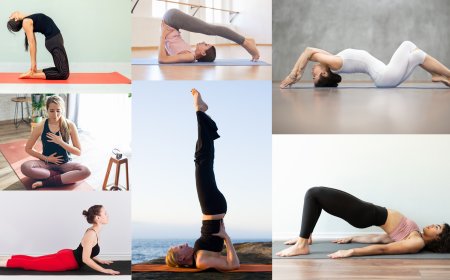
Incorporating the following yoga poses into your nighttime routine can help calm your mind and prepare your body for deep rest. Most can be done right in bed or on a yoga mat.
1. Cat-Cow (Marjaryasana-Bitilasana)
This gentle, flowing movement relieves tension along your spine and improves flexibility in your neck, shoulders, and lower back.
How to do it:
Start on your hands and knees. Inhale as you lift your chest and tailbone (Cow), exhale as you round your back and tuck your chin (Cat). Move slowly and breathe deeply.
Tip: You can also perform a seated version of Cat-Cow if being on all fours isn’t comfortable.
2. Thread the Needle
This twist releases tension in your upper and mid-back, helping you unwind before bed.
How to do it:
From all fours, slide one arm underneath your body toward the opposite side, lowering your shoulder to the floor. Hold the stretch and breathe deeply, then switch sides.
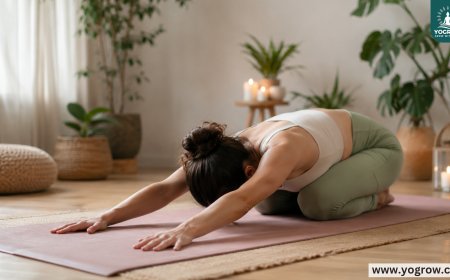
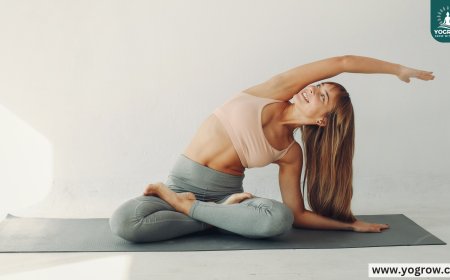
3. Child’s Pose with Side Bend
A deeply calming stretch for your back and sides, this pose releases tension that accumulates during the day.
How to do it:
Kneel with your big toes together, knees wide apart. Sit your hips back toward your heels and stretch your arms forward. Walk both hands to one side for a side stretch, then repeat on the other side.
4. Kneeling Hip Flexor Stretch
This pose opens your hips and relieves lower back discomfort—especially beneficial for people who sit for long periods.
How to do it:
Kneel with one leg forward, foot flat. Shift your hips forward slightly until you feel a stretch in the front of your hip. Hold, then switch sides.
5. Diaphragmatic Breathing
This foundational breathing exercise quiets your mind and relaxes your body for better sleep.
How to do it:
Lie on your back with your knees bent. Place one hand on your chest and one on your belly. Inhale deeply so your belly rises; exhale slowly, letting it fall. Focus on releasing tension with each breath.
6. Knee Rocking
Knee Rocking loosens your lower back and hips while calming your nervous system through rhythmic movement.
How to do it:
Lie on your back with knees bent. Gently let your knees fall to one side, then the other, breathing evenly throughout.
7. Lower Body Nerve Glide
A soothing stretch that promotes circulation from your hips to your feet, helping to ease leg tension.
How to do it:
Lie on your back. Bring one knee to your chest, hold your thigh, then straighten your leg upward. Flex and point your foot as you breathe deeply. Repeat with the other leg.
8. Figure Four Stretch
This pose targets tight hips and glutes, reducing tension that interferes with comfort during sleep.
How to do it:
Lie on your back, bend your knees, and place one ankle on the opposite thigh. Pull your legs gently toward your chest until you feel a stretch.
9. Happy Baby Pose (Ananda Balasana)
A favorite bedtime pose, Happy Baby releases tension in the hips and lower back while calming the mind.
How to do it:
Lie on your back, pull your knees toward your chest, and grab the outside of your feet. Gently rock side to side to deepen relaxation.
10. Wall Groin Stretch with Legs Apart
This restorative posture stretches your inner thighs and promotes blood flow, helping you feel grounded and relaxed.
How to do it:
Lie close to a wall and place your legs up against it. Slowly spread them apart until you feel a gentle stretch. Combine this with diaphragmatic breathing for ultimate relaxation.
Tips for Starting a Bedtime Yoga Routine
Creating a peaceful nighttime routine doesn’t have to be complicated. With a few mindful adjustments, you can transform your evenings into a restful ritual.
1. Be Consistent
Set a regular schedule for your bedtime yoga practice. Doing it around the same time each night helps your body recognize when it’s time to unwind.
2. Create a Calming Environment
Dim the lights, play soft music, or diffuse essential oils like lavender or chamomile to enhance relaxation.
3. Use Props for Comfort
Blankets, bolsters, or cushions can support your body and make each pose feel more restorative.
4. Focus on Breath, Not Perfection
Yoga before bed isn’t about performance—it’s about how you feel. Focus on slow breathing and gentle movements that feel good to your body.
5. Add Relaxation Cues
Try pairing yoga with other soothing rituals like journaling, meditation, or a warm Epsom salt bath to deepen your relaxation.
Bedtime yoga is more than just stretching—it’s a holistic ritual that nurtures both body and mind. Practicing these 10 best yoga poses for sleep helps release tension, calm your nervous system, and improve overall sleep quality.
Consistency is key. With regular practice, your body will naturally begin to associate yoga with relaxation and rest. For a deeper understanding of yoga’s spiritual connection, explore Yoga and Spiritual Awakening: The Hidden Power of Ancient Postures.
Ready to sleep deeper and wake up refreshed? Start your journey today with Yogrow’s wellness resources and discover how yoga can help you live, breathe, and rest better every day.
What's Your Reaction?
 Like
0
Like
0
 Dislike
0
Dislike
0
 Love
0
Love
0
 Funny
0
Funny
0
 Angry
0
Angry
0
 Sad
0
Sad
0
 Wow
0
Wow
0