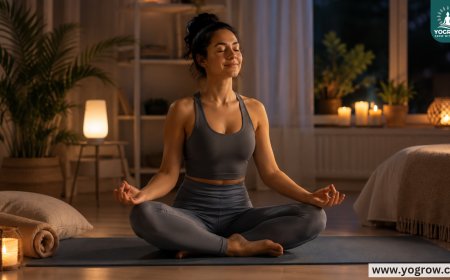
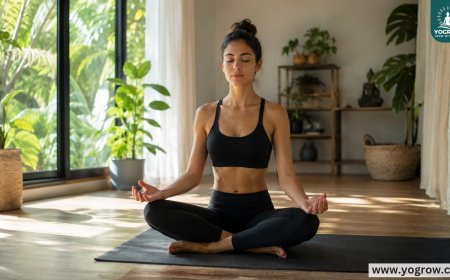

Struggling with Chronic Pain? Discover How Gentle Yoga Heals the Body and Mind
Discover how yoga for chronic pain helps reduce suffering through restorative poses, breathing practices, and mind-body healing. Learn practical steps today.


Chronic pain is a reality for millions of people, often leaving them searching for long-lasting relief beyond medications and surgeries. Yoga for chronic pain offers a holistic, mind-body approach that goes deeper than physical therapy—it addresses the mental, emotional, and biological roots of pain. With gentle movements, breathing practices, and restorative poses, yoga provides tools to help you reduce suffering and reclaim control over your well-being.
Benefits of Yoga for Chronic Pain
1. Yoga Helps Rewire the Pain Response
Chronic pain is more than just a physical issue—it’s also influenced by the brain’s memory of past trauma and stress. Neuroscience explains this as neuroplasticity, the nervous system’s ability to learn and adapt. Unfortunately, with chronic pain, the body becomes “better” at producing pain signals. Yoga can help reverse this process. By practicing mindfulness and relaxation, you can teach your mind and body healthier responses to discomfort.
According to Harvard Health , yoga encourages a relaxation response that lowers stress hormones, reduces inflammation, and makes the nervous system less reactive to pain triggers. This makes yoga not just a coping mechanism, but a long-term healing strategy.
2. Gentle Movement Restores Mobility Without Strain
Many people with chronic pain avoid exercise for fear of worsening symptoms. However, avoiding movement can actually make pain worse by weakening muscles and stiffening joints. Yoga’s gentle and restorative poses provide safe ways to increase flexibility and circulation without adding stress to the body.
If you’ve struggled with joint pain before, it’s important to practice wisely. For example, if you’ve experienced knee discomfort, our blog on poses that might be hurting your knees can help you identify safer options. These adjustments allow you to move without fear and rediscover confidence in your body.


3. Breathing Practices Reduce Stress and Pain Sensitivity
Chronic pain often keeps the body in a constant “emergency mode,” with the nervous system on high alert. Breathing techniques like pranayama and visualization bring the body back into balance. Slow, deep breathing signals the nervous system to relax, lowering stress responses and reducing pain intensity.
One effective practice is “breathing the whole body,” where you imagine the breath dissolving tension in painful areas. Over time, these breathing exercises create new pathways of relaxation, teaching the body to let go instead of tightening around pain.
4. Emotional Healing Through Mind-Body Awareness
Pain isn’t just physical—it’s deeply tied to emotions like fear, anger, or grief. Yoga integrates movement with mindfulness, helping you notice these patterns without judgment. By addressing the emotional layers of pain, yoga provides a sense of control and empowerment that conventional treatments often overlook.
This mind-body approach aligns with yoga philosophy’s concept of samskara, the impressions of past experiences that shape present behavior. Just as negative experiences leave imprints that worsen pain, positive practices like yoga leave healing imprints, creating space for recovery.
5. Yoga Builds Long-Term Habits of Healing
Unlike temporary fixes, yoga fosters sustainable lifestyle changes. Restorative poses, meditation, and conscious breathing can become daily rituals that shift your nervous system from “chronic stress” to “chronic healing.” Over time, these practices not only reduce pain but also improve sleep, boost immunity, and strengthen resilience against future stressors.
For further guidance, you can explore restorative yoga practices for chronic pain that have been shown to improve both physical and mental well-being.
Practical Steps: A Restorative Yoga Routine for Pain Relief
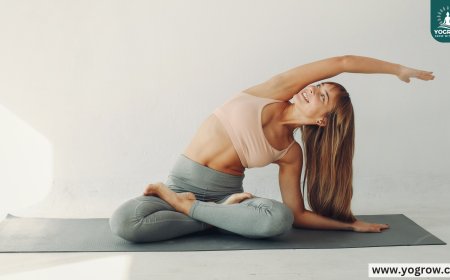
The key to yoga for chronic pain is gentleness and consistency. Here are practical steps to get started with a beginner-friendly restorative routine:


-
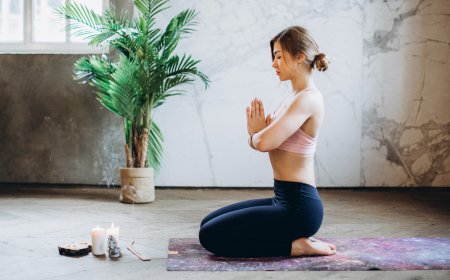
Start with Breathing Practices
-
Begin in a comfortable resting position.
-
Place hands on your belly, feel the rise and fall of each breath.
-
Direct breath toward areas of discomfort, imagining the tension softening.
-
-
Nesting Pose (Side-Lying Rest)
-
Lie on your side with knees bent toward the chest.
-
Support your head with a pillow and place a bolster between your knees.
-
This pose creates comfort and is especially helpful if pain interferes with sleep.
-
-
Supported Bound Angle Pose
-
Sit with legs in a diamond shape, supported by pillows under the knees.
-
Lean back on a bolster angled on blocks for chest and shoulder support.
-
This position releases tension in the front body and deepens breath.
-
-
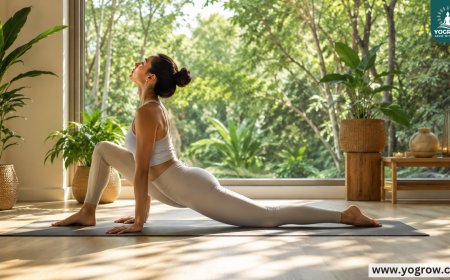
Supported Backbend Pose
-
Sit with bent knees supported by pillows.
-
Recline onto a folded blanket supporting your rib cage and spine.
-
Focus on opening the chest and breathing into the heart center.
-
-
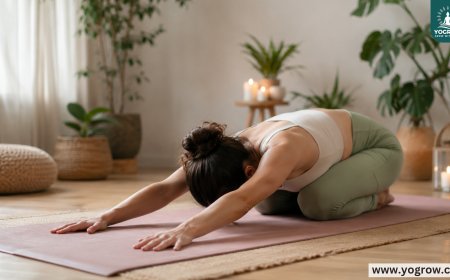
Supported Forward Bend
-
Sit cross-legged and lean forward onto a stack of pillows or a sofa.
-
Rest your torso and head fully supported, allowing the back and hips to relax.
-
Hugging the bolster can add a sense of comfort and grounding.
-
By holding each pose for 5–10 minutes, your body learns to shift from stress to restoration. Consistency is key—practice daily, even for a few minutes, to reinforce healing pathways.
Living with chronic pain can feel overwhelming, but yoga offers a path back to ease and empowerment. Through restorative poses, breathing exercises, and mindful awareness, you can retrain your mind-body system to respond with healing instead of suffering.
If tight muscles are part of your struggle, check out our guide on yoga hacks for tight hamstrings to support your practice.
Pain doesn’t have to define your life. With patience and gentle yoga, you can reclaim your freedom, reduce stress, and cultivate lasting resilience. Ready to begin your journey? Explore more resources on our blog and discover how yoga can transform your relationship with chronic pain.
What's Your Reaction?
 Like
0
Like
0
 Dislike
0
Dislike
0
 Love
0
Love
0
 Funny
0
Funny
0
 Angry
0
Angry
0
 Sad
0
Sad
0
 Wow
0
Wow
0