
Is Yoga Hurting Your Knees? These 5 Poses Might Be the Culprit
Experiencing knee pain from yoga? Discover 5 poses that may be causing it, expert tips to prevent injury, and safer ways to practice yoga pain-free.


Yoga, when practiced correctly, can be a powerful tool for flexibility, strength, and mental clarity. But for some, particularly beginners or those returning after a break, yoga can sometimes bring discomfort—especially in the knees. If you've experienced knee pain after your yoga session, you might want to take a closer look at your form and the specific poses you're practicing. According to experts, certain asanas may be more likely to cause strain than others.
Significance of Understanding Knee Pain in Yoga
1. Misalignment in Common Poses Can Lead to Injury
One of the most significant contributors to yoga-related knee pain is poor alignment. Poses like Virasana (Hero Pose) or Padmasana (Lotus Pose) demand a lot from the knees. When performed without proper anatomical support or preparation, these poses can overstretch the ligaments or misplace the kneecap. An article from The Indian Express warns against attempting advanced poses without understanding the risk they pose to knee health.
2. Certain Asanas Are High-Risk for the Knee Joint
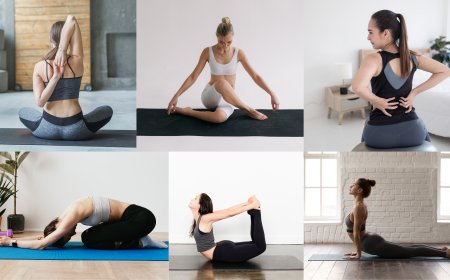
Some specific yoga postures inherently place more pressure on the knees. These include:
-
Vajrasana (Thunderbolt Pose)
-
Padmasana (Lotus Pose)

-
Virasana (Hero Pose)
-
Bakasana (Crow Pose)
-
Kandasana


While each has its benefits, they can compromise the knee joint if practiced with poor flexibility or inadequate support. The Times of India also points out that these asanas should be avoided or modified by individuals with prior joint issues.
3. Inadequate Warm-Up and Progression
Jumping into advanced yoga poses without preparing the body is a recipe for discomfort. Just as a runner wouldn’t start with a sprint, yogis should warm up the surrounding muscle groups—hips, hamstrings, and calves—to better support the knees. Consider trying routines like this 7-day yoga flow designed to improve flexibility and readiness.
4. Lack of Props or Modifications
Ignoring yoga props—such as bolsters, blocks, or straps—can increase the strain on the knees. These tools aren’t just for beginners; they help practitioners modify poses to suit their bodies and reduce unnecessary stress on joints.
5. Individual Anatomy and Previous Injuries
Everyone’s body is unique. What feels great for one person may be painful for another. Prior injuries, cartilage wear, or congenital issues can influence how your knees respond to pressure. Recognizing and respecting your body's limitations is key to avoiding long-term injury.


Practical Steps to Protect Your Knees During Yoga
1. Prioritize Alignment Over Aesthetics
Focus on doing each pose with correct form rather than trying to match Instagram-perfect postures. Use a mirror or get guidance from a certified instructor.
2. Use Props to Support Your Knees
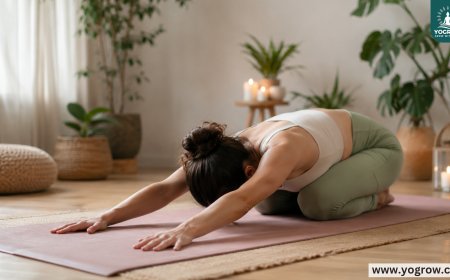
Place a folded blanket or bolster under your knees during floor poses. For example, if Vajrasana causes discomfort, elevate your hips on a block to reduce knee flexion.
3. Modify or Skip High-Risk Asanas
Not every pose is for everyone. Feel empowered to skip or alter poses that cause pain. Asanas like Half Lotus or Easy Pose can be safer alternatives to Padmasana.
4. Warm Up Thoroughly Before Deep Poses
Begin with gentle stretches that activate the hips, thighs, and calves. Doing so prepares the joints and soft tissues to handle the stress of deeper poses.
5. Listen to Your Body
Knee pain is never something to “push through.” If a pose doesn’t feel right, ease out of it. Long-term practice is more important than achieving a specific shape.
Knee pain during yoga doesn’t mean you need to give up your practice—it simply signals the need for more awareness, better alignment, and thoughtful modifications. By understanding which poses may contribute to discomfort and how to prevent it, you can enjoy yoga safely and effectively. If you're seeking deeper healing and recovery through slow, mindful movement, explore our guide on how Yin Yoga fosters inner stillness.
Ready to practice safely and mindfully? Explore more of our expert-curated blogs at Yogrow.ca, or book a session tailored to your body's needs today.
What's Your Reaction?
 Like
0
Like
0
 Dislike
0
Dislike
0
 Love
0
Love
0
 Funny
0
Funny
0
 Angry
0
Angry
0
 Sad
0
Sad
0
 Wow
0
Wow
0