

Yoga for Athletes: Improve Flexibility, Endurance & Mental Clarity
Discover how yoga enhances flexibility, strength, mental focus, and recovery for athletes. Improve performance with these expert-backed tips and exercises.

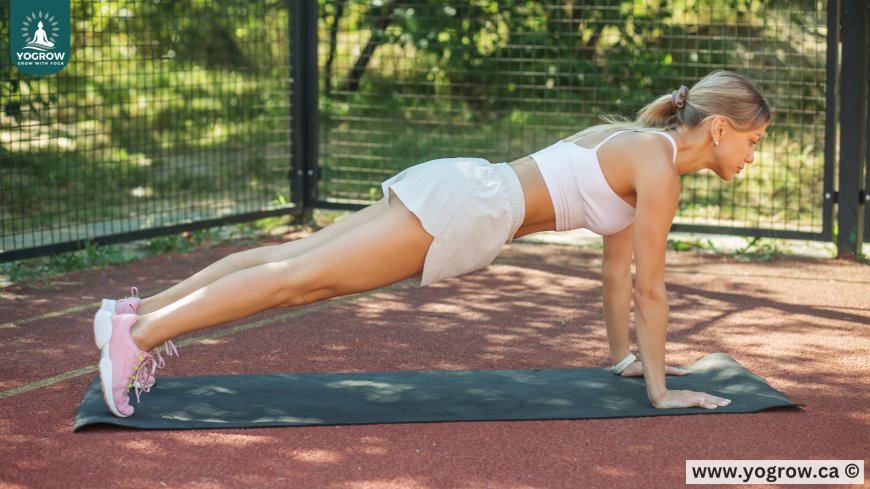
Athletes are always seeking ways to enhance performance, avoid injuries, and stay in peak condition. While strength training and cardio are common, yoga for athletes is often overlooked despite its immense benefits. Yoga improves flexibility, builds strength, aids recovery, and sharpens mental focus—essential factors for top athletic performance. Whether you’re a runner, cyclist, or team sport athlete, incorporating yoga can transform both your body and mind, helping you perform at your absolute best.
Benefits of Yoga for Athletes
Yoga is more than stretching; it’s a holistic approach to athletic performance. Here’s why athletes should consider adding yoga to their training routine.
1. Flexibility and Strength
Yoga simultaneously enhances flexibility and strength, targeting both major and minor muscle groups. Unlike traditional workouts that isolate muscles, yoga promotes balanced development, improving posture, coordination, and smooth movement during training. Regular practice ensures athletes move more efficiently, reducing fatigue and increasing agility.
For a focused guide on strength-building poses, check out Yoga for Strength Training: 7 Poses That Build Muscle and Endurance. Additionally, JogayogaTraining emphasizes that incorporating yoga into daily routines improves both dynamic and static strength, critical for sports performance.
2. Injury Prevention
Yoga strengthens muscles, improves flexibility, and enhances body awareness, significantly reducing the risk of sports injuries. Poses like Downward Dog, Warrior Pose, and High Lunge strengthen stabilizing muscles while promoting proper alignment, helping prevent strains, sprains, and repetitive stress injuries.


According to Explosive Whey, athletes who include yoga in their regimen are less prone to overuse injuries and maintain better overall joint health.
3. Mental Focus and Stress Relief
Mental resilience is as crucial as physical strength in sports. Yoga improves concentration, reduces anxiety, and fosters a calm, focused mindset through meditation, breathing exercises, and grounding poses. Techniques like Pranayama and mindfulness meditation help athletes stay mentally sharp, reduce competition stress, and improve reaction times during high-pressure situations.
For more insights into yoga’s role in enhancing focus, visit From Flexibility to Focus: 7 Game-Changing Benefits of Yoga for Athletes.
4. Enhanced Breathing and Endurance
Yoga emphasizes controlled breathing, which increases lung capacity, oxygenates muscles, and boosts stamina. Techniques like Ujjayi Pranayama teach athletes to maintain energy and focus during prolonged exertion, ensuring better endurance in both training and competition.
5. Faster Recovery
Yoga promotes better blood circulation, reduces muscle soreness, and encourages relaxation. Incorporating post-workout yoga or evening sessions accelerates recovery, allowing athletes to return to training sooner with less fatigue. Poses such as Bridge Pose and Camel Pose help release tension, relax the nervous system, and reduce delayed onset muscle soreness (DOMS).
Practical Steps: Incorporating Yoga Into Athletic Training
Adding yoga to an athlete’s routine doesn’t have to be complicated. Here’s a step-by-step guide to get started:
Step 1: Start with Dynamic Warm-Ups
Before workouts, practice Sun Salutations (Suryanamaskar) to increase flexibility and blood flow. This sequence warms up muscles, energizes the body, and prepares you for training.


Step 2: Focus on Strength-Building Poses
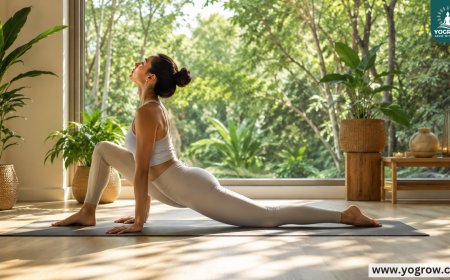
Integrate poses like Warrior Pose (Virabhadrasana), High Lunge (Alanasana), and Boat Pose (Navasana) to strengthen core muscles, legs, and stabilizers. This improves balance, coordination, and explosive power for sports movements.
Step 3: Incorporate Flexibility-Focused Asanas
Poses such as Downward Dog (Adho Mukha Svanasana), Triangle Pose (Trikonasana), and Camel Pose (Ustrasana) enhance flexibility in the spine, hips, and shoulders, making it easier to perform complex athletic movements with reduced injury risk.
Step 4: Utilize Breathing Techniques
Daily Pranayama practice enhances oxygen delivery, improves concentration, and reduces mental fatigue. Techniques like alternate nostril breathing or Ujjayi breath can be used before training or competition for a mental edge.
Step 5: Post-Workout Yoga for Recovery
End training sessions with gentle stretches and restorative poses to aid muscle recovery. Evening routines help release tension and improve sleep quality, ensuring the body is ready for the next day of performance. For a detailed guide on effective exercises for athletes, check JogayogaTraining.
Best Times to Practice Yoga for Athletes
Timing can maximize yoga’s impact:
-
Morning Yoga: Energizes the body, improves flexibility, and prepares the mind for peak performance throughout the day.
-
Evening Yoga: Promotes recovery, relaxes muscles, and improves sleep quality.
-
Pre-Game Yoga: Short sessions before competitions reduce anxiety, improve focus, and enhance readiness.
-
Post-Workout Yoga: Supports flexibility, decreases stiffness, and speeds up recovery.
Supporting Nutrition for Yoga Practice
Nutrition is essential to complement yoga for athletes. A balanced diet ensures energy, supports muscle recovery, and enhances endurance. Plant-based proteins, like Elite Series Plant Protein, provide essential nutrients to repair muscles and boost stamina. Staying hydrated and consuming nutrient-rich meals improves overall performance and complements the physical and mental benefits of yoga.
Conclusion: Take Your Performance to the Next Level
Incorporating yoga into an athlete’s training regimen offers unparalleled benefits. It enhances flexibility, strength, mental clarity, injury prevention, and recovery, providing a holistic approach to athletic performance. By combining yoga with proper nutrition, breathing exercises, and consistent practice, athletes can optimize both their body and mind.
To explore more ways yoga can boost your performance, read our guide on 7 Game-Changing Benefits of Yoga for Athletes.
Start your yoga journey today—book a session, practice daily, and unlock your full athletic potential!
What's Your Reaction?
 Like
0
Like
0
 Dislike
0
Dislike
0
 Love
0
Love
0
 Funny
0
Funny
0
 Angry
0
Angry
0
 Sad
0
Sad
0
 Wow
0
Wow
0