
Yoga for Strength Training: 7 Poses That Build Muscle and Endurance
Discover how yoga builds lean muscle and functional strength. Explore yoga styles, poses, and tips to enhance endurance and stability.

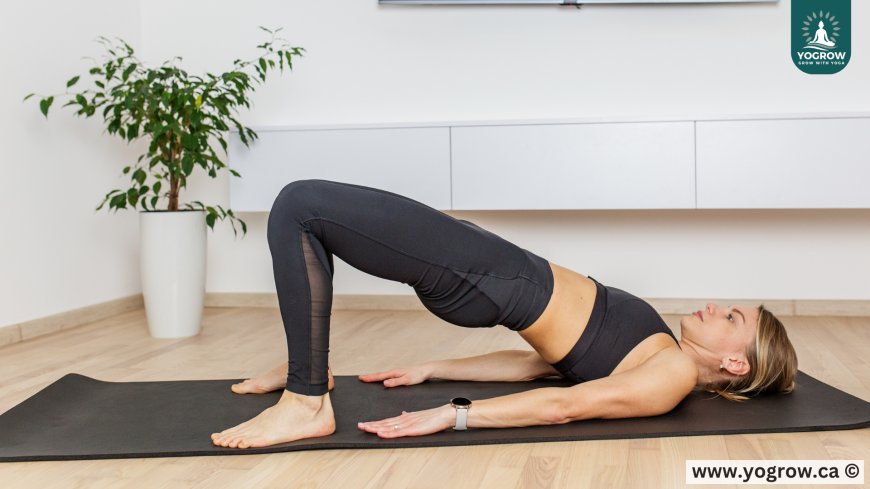
In today’s fitness world, the question “ Can yoga replace strength training?” is being asked more often than ever. While weightlifting and resistance exercises have long been the go-to for building muscle, yoga is steadily gaining popularity as a holistic alternative. Unlike traditional workouts, yoga doesn’t just focus on muscle mass—it enhances flexibility, balance, stability, and mindfulness. But can it really match up to strength training when it comes to lean muscle development? Let’s dive deeper to explore yoga’s role in strength building and how it complements or differs from traditional methods.
Benefits of Yoga for Strength Training
1. Builds Functional Strength
Unlike isolated weight training exercises, yoga engages multiple muscle groups simultaneously. Poses like Plank and Chaturanga activate your core, arms, and shoulders at once, helping you build strength that translates into everyday movements. According to Yoga Journal’s guide on yoga for strength holding these bodyweight poses develops not only strength but also stability—making yoga an efficient strength training method without external equipment.
2. Enhances Core Power and Stability
A strong core is vital for posture, balance, and athletic performance. Yoga emphasizes stabilizing muscles that often get overlooked in the gym. Poses such as Boat Pose (Navasana) and Warrior III strengthen the deep abdominal muscles, improving both strength and endurance. If you want to test your core’s strength, you can try Yogrow’s 5-Pose Yoga Strength Test to challenge your stability and functional strength.
3. Improves Endurance and Muscular Control
Unlike quick reps with weights, yoga requires you to hold poses for extended periods. This sustained muscular engagement enhances endurance while teaching your body control and precision. Over time, this improves not just physical stamina but also mind-muscle connection—an often overlooked yet critical part of strength building.
4. Increases Flexibility While Building Strength
One of yoga’s biggest strengths is its ability to improve flexibility alongside strength. For example, Downward Dog strengthens your arms and shoulders while stretching hamstrings and calves. Traditional resistance training often reduces flexibility if not paired with mobility work, but yoga integrates both seamlessly, reducing injury risks.


5. Provides a Low-Impact Alternative
Unlike heavy lifting, yoga is gentle on joints while still building lean muscle. This makes it an ideal strength-building option for seniors, beginners, or anyone recovering from injuries. It balances strength development with mindfulness and relaxation, offering a holistic workout.
Practical Steps: How to Use Yoga for Strength Training
If you’re ready to integrate yoga into your fitness journey, here are actionable ways to make it work for you.
Step 1: Focus on Strength-Building Poses
Start incorporating strength-based poses like Plank, Chaturanga, Warrior Poses, Chair Pose, and Boat Pose into your daily routine. Holding these for 30–60 seconds builds endurance and tones muscles effectively.
Step 2: Explore the Right Yoga Styles
Not all yoga styles are equally effective for strength. If building muscle and endurance is your goal, consider these styles:
-
Vinyasa Yoga – Flow-based sequences that strengthen arms, legs, and core.
-
Power Yoga – A more intense form mimicking the effort of strength training.
-
Ashtanga Yoga – Structured sequences that challenge both strength and stamina.

-
Iyengar Yoga – Focuses on long holds and precision, helping muscles deeply engage.


For a deeper guide, Shvasa’s blog on yoga as a substitute for strength training breaks down how different styles support strength-building goals.
Step 3: Apply Progressive Overload in Yoga
While yoga doesn’t use weights, you can still apply progressive overload by:
-
Holding poses longer.
-
Adding advanced variations (e.g., moving from Plank to Side Plank).
-
Increasing flow intensity with faster transitions.
Step 4: Combine Yoga with Traditional Training (Optional)
For those aiming to build significant muscle mass, yoga works best as a supplement to weight training. Use yoga on rest days to recover while improving flexibility, endurance, and stabilizer muscle strength.
Step 5: Stay Consistent with Practice
Strength development in yoga requires consistency. Aim for 3–5 sessions per week to experience noticeable improvements in muscle tone, endurance, and mobility.
Yoga may not fully replace traditional strength training if your goal is significant hypertrophy or powerlifting. However, it is an excellent tool for building lean muscle, improving endurance, enhancing flexibility, and developing functional strength. By choosing the right yoga style and increasing practice intensity, you can build strength while enjoying yoga’s holistic benefits.
If you’re curious about how strong your body really is, try Yogrow’s 5-pose yoga strength test to measure your progress.
Ready to take your strength training to the mat? Start exploring yoga styles that suit your goals, join guided sessions, and unlock both physical and mental strength.
What's Your Reaction?
 Like
0
Like
0
 Dislike
0
Dislike
0
 Love
0
Love
0
 Funny
0
Funny
0
 Angry
0
Angry
0
 Sad
0
Sad
0
 Wow
0
Wow
0