
Yoga for Inner Harmony: Align Your Energy Centers Today
Discover the significance of chakras in yoga and learn practical yoga techniques to balance your energy centers for inner harmony and well-being.

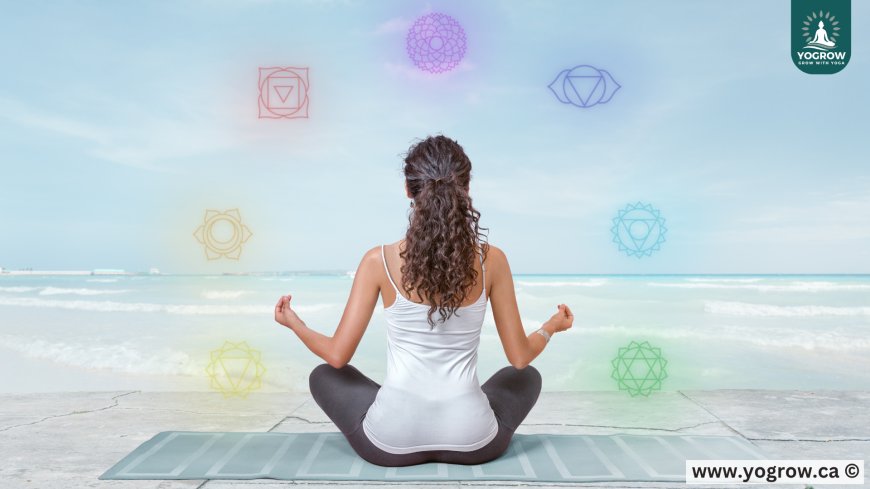
In the fast-paced modern world, finding inner peace and balance can feel like a constant challenge. Yoga offers a holistic path to harmonize your body, mind, and spirit, and one of its most profound aspects is the alignment of chakras. These energy centers govern physical, emotional, and spiritual well-being, and when balanced, they promote vitality, calmness, and inner harmony. In this article, we will explore the significance of chakras in yoga and provide practical steps to activate and balance them for optimal health and self-awareness.
Significance of Chakras in Yoga
Chakras, derived from the Sanskrit word for “wheel,” are seven main energy centers aligned along the spine, each associated with unique aspects of our physical, emotional, and spiritual self. Understanding and balancing these energy centers through yoga can lead to profound benefits, from improved mental clarity to emotional resilience.
1. Root Chakra (Muladhara) – Stability and Grounding
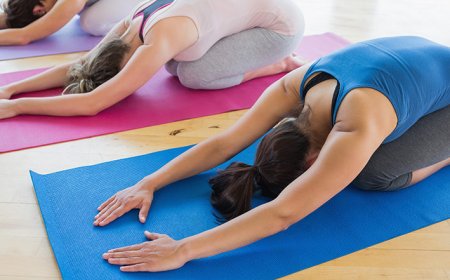
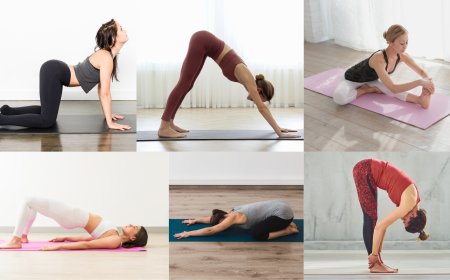
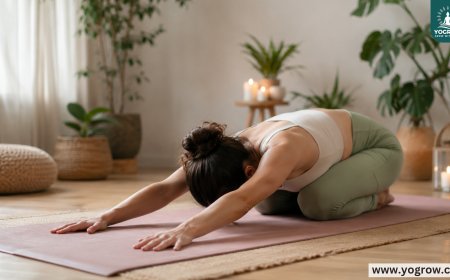
Located at the base of the spine, the Root Chakra governs our sense of security, stability, and survival instincts. A balanced Root Chakra helps reduce anxiety and promotes a feeling of safety in daily life. Grounding yoga poses such as Tadasana (Mountain Pose), Virabhadrasana (Warrior Pose), and Balasana (Child’s Pose) encourage connection with the earth element, fostering stability and resilience.
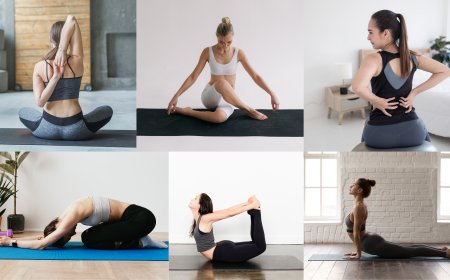
For more daily practices that enhance physical and mental alignment, check out this 10-minute yoga flow to improve posture.
2. Sacral Chakra (Swadhisthana) – Creativity and Emotional Balance
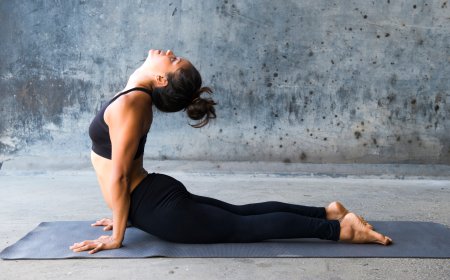
The Sacral Chakra, located in the lower abdomen, influences creativity, passion, and emotional expression. When this chakra is balanced, we feel emotionally fluid and able to express ourselves authentically. Poses like Bhujangasana (Cobra Pose), Baddha Konasana (Bound Angle Pose), and Svarga Dvijasana (Bird of Paradise Pose) stimulate this energy center, helping unlock creative potential and stabilize emotional responses.


3. Solar Plexus Chakra (Manipura) – Personal Power and Confidence
Situated in the upper abdomen, the Solar Plexus Chakra is associated with self-esteem, confidence, and personal power. Core-strengthening yoga poses, such as Navasana (Boat Pose), Ardha Navasana (Half Boat Pose), and Utkatasana (Chair Pose), empower practitioners to cultivate inner strength and assertiveness.
4. Heart Chakra (Anahata) – Love and Compassion
The Heart Chakra, positioned at the center of the chest, governs love, compassion, and emotional healing. Opening this chakra encourages empathy, forgiveness, and a deeper connection to oneself and others. Heart-opening poses such as Ustrasana (Camel Pose), Bhujangasana (Cobra Pose), and Matsyasana (Fish Pose) expand the chest, release emotional tension, and foster compassion.
5. Throat Chakra (Vishuddha) – Communication and Expression
Located in the throat area, the Throat Chakra influences communication and self-expression. A balanced Throat Chakra encourages authenticity and clarity in speech and creative expression. Yoga poses like Setu Bandhasana (Bridge Pose), Halasana (Plow Pose), and Matsyasana (Fish Pose) support the opening of this chakra, allowing energy to flow freely and fostering confidence in expressing thoughts and feelings.
For a deeper understanding of the connection between chakras and inner harmony, you can refer to this high-authority guide on chakras and yoga.
6. Third Eye Chakra (Ajna) – Intuition and Insight
The Third Eye Chakra, located between the eyebrows, is linked to intuition, insight, and mental clarity. Balancing this chakra helps quiet the mind and access inner wisdom. Gentle poses such as Garudasana (Eagle Pose), Shavasana (Corpse Pose), and Balasana (Child’s Pose) cultivate mindfulness and enhance intuitive guidance.
7. Crown Chakra (Sahasrara) – Spiritual Connection
Situated at the crown of the head, the Crown Chakra connects us to higher consciousness and universal energy. Meditation, Savasana (Corpse Pose), and Sirsasana (Headstand) are effective in activating this chakra, fostering spiritual awakening, transcendence, and a deep sense of inner peace.
Practical Steps to Incorporate Chakra Yoga
To fully embrace the benefits of chakra yoga, follow these actionable steps:


-
Begin with Grounding Meditation – Center yourself and visualize energy flowing from the earth through your body, stabilizing your Root Chakra.
-
Sequence Targeted Poses – Practice yoga poses aligned with each chakra, moving mindfully and with controlled breathing.
-
Use Bija Mantras – Chant seed syllables associated with each chakra (e.g., “LAM” for Root Chakra, “VAM” for Sacral Chakra) to enhance energetic resonance.
-
Incorporate Breathwork – Breath awareness improves prana flow and supports emotional release. For effective techniques, see yoga breathwork for anxiety relief.
-
End with Relaxation or Meditation – Allow the benefits of your practice to integrate into body, mind, and spirit, fostering a holistic sense of balance and calm.
Chakra yoga offers a powerful path to self-awareness, healing, and inner harmony. By understanding the significance of each energy center and incorporating targeted poses, meditations, and breathwork, practitioners can cultivate a balanced flow of energy that supports overall well-being.
Explore more practical routines and daily yoga practices by checking out this 10-minute yoga flow. Start your journey today—align your chakras, awaken your energy, and experience the transformative power of yoga.
What's Your Reaction?
 Like
0
Like
0
 Dislike
0
Dislike
0
 Love
0
Love
0
 Funny
0
Funny
0
 Angry
0
Angry
0
 Sad
0
Sad
0
 Wow
0
Wow
0