
Yoga Nidra Classes: Reduce Stress, Improve Sleep & Transform Your Mind
Discover the benefits of Yoga Nidra classes—reduce stress, improve sleep, and enhance emotional healing with this ancient yogic sleep practice.

Yoga Nidra, often called yogic sleep or psychic sleep, is more than just relaxation—it’s a science-backed meditation technique that helps you reach a profound state between wakefulness and sleep. In today’s fast-paced world, stress, insomnia, and emotional exhaustion are common struggles. Yoga Nidra offers a powerful solution, guiding you into deep rest while keeping your awareness intact. Whether you’re a beginner, a yoga teacher, or a wellness professional, this practice can transform your physical, emotional, and mental well-being.
Benefits of Yoga Nidra
1. Reduces Stress and Anxiety
One of the most well-documented benefits of Yoga Nidra is its ability to regulate the nervous system. By systematically withdrawing awareness from external distractions, the mind moves into a deep state of rest. This process helps lower cortisol levels, reduce stress, and calm the body’s fight-or-flight response. Studies highlight how Yoga Nidra is effective for people dealing with anxiety, high blood pressure, and chronic tension [source] .
If you often feel overwhelmed, combining short daily practices like 5-minute yoga for busy bees with Yoga Nidra can be a game-changer for managing stress naturally.
2. Improves Sleep Quality
Struggling with insomnia or restless nights? Yoga Nidra mimics the body’s natural sleep process while keeping the mind gently aware. Practising regularly helps reset your circadian rhythm, ease tension, and improve deep sleep cycles. Unlike regular sleep, this practice works directly with subconscious patterns, addressing the root causes of insomnia and restlessness. Many participants in Yoga Nidra workshops report feeling more refreshed with less sleep compared to before.
3. Enhances Emotional Healing and Mental Clarity
Yoga Nidra isn’t just physical relaxation—it’s a mental reset. During the practice, you create a Sankalpa (positive intention) that penetrates the subconscious mind. This process helps release suppressed emotions, heal past traumas, and rewire negative thought patterns. As a result, practitioners experience greater emotional resilience, self-awareness, and clarity in decision-making.


For yoga teachers, therapists, and holistic healers, this benefit is especially valuable when guiding others through stress recovery or trauma-informed practices.
4. Supports Physical and Mental Health Conditions
Therapeutically, Yoga Nidra is used to support individuals dealing with hypertension, PTSD, depression, and even chronic pain. By slowing down brainwave activity, the body enters a natural healing mode where regeneration and recovery happen more efficiently. Scientific studies also suggest that Yoga Nidra influences the autonomic nervous system, improving heart health, reducing blood pressure, and balancing hormonal functions Yoga Nidra classes by Fitsri.
5. Builds Inner Awareness and Spiritual Growth
On a deeper level, Yoga Nidra is rooted in the yogic practice of Pratyahara—the withdrawal of the senses. This stage is essential for entering meditation. By practising regularly, you cultivate the ability to turn inward, detach from external distractions, and connect with your inner consciousness. Over time, this leads to spiritual growth, self-realization, and a deeper sense of union (yoga) with the self.
Step-by-Step Guide to Yoga Nidra Practice
If you’re ready to experience Yoga Nidra, here’s a structured guide to its eight stages. Whether you join an online workshop or practise at home, these steps create a powerful framework for deep relaxation.
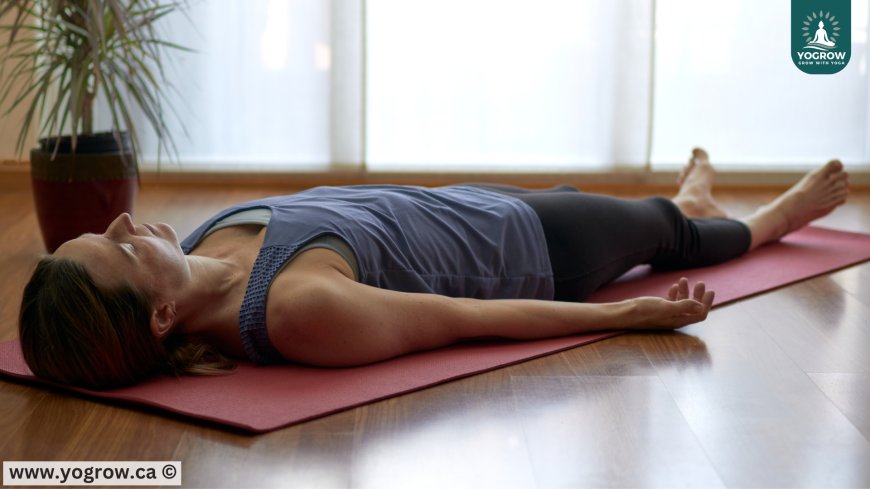
1. Preparation (Shavasana)
Lie down comfortably in shavasana (corpse pose). Keep your body relaxed and still. This posture eliminates discomfort and allows full awareness to turn inward.
2. Sankalpa (Intention Setting)
Silently repeat a positive resolve or affirmation—such as “I am calm and at peace”. This intention plants a seed in your subconscious mind, influencing your thoughts and actions positively.
3. Rotation of Awareness
Systematically move your attention across different body parts, from toes to head. This step induces complete relaxation and heightens mind-body connection.


4. Breath Awareness
Observe your natural breath without changing its rhythm. This calms the mind, enhances focus, and anchors awareness in the present moment.
5. Creating Opposite Sensations
Shift between contrasting sensations—hot/cold, heavy/light, joy/sorrow—without judgment. This technique helps release emotional blockages and builds mental resilience.
6. Visualization
Guided imagery is used here, ranging from simple objects to symbolic scenes. Visualization activates creativity, supports healing, and strengthens memory.
7. Repetition of Sankalpa
Reaffirm your intention once again. In this deeply relaxed state, your Sankalpa takes root in the subconscious for lasting impact.
8. Externalization
Gradually bring awareness back to your surroundings, moving fingers and toes, and gently open your eyes. This ensures a smooth transition from deep rest to wakefulness.
If you’d like guided support, many online resources, including Yoga Nidra classes by Fitsri , provide live sessions where you can experience these stages under expert guidance.
Yoga Nidra is more than a relaxation practice—it’s a holistic path to balance, healing, and inner transformation. From reducing stress and improving sleep to enhancing emotional well-being and spiritual growth, the benefits are vast and accessible to everyone.
If you’re looking to deepen your yoga journey, strengthen your focus, and build resilience, you may also enjoy our guide on testing your core strength with 5 yoga poses .
Ready to unlock the power of yogic sleep? Join a Yoga Nidra workshop, start practising at home, and experience the shift in your mind, body, and spirit. Share your experiences in the comments, subscribe for more wellness tips, and let Yoga Nidra guide you to true inner harmony.
What's Your Reaction?
 Like
0
Like
0
 Dislike
0
Dislike
0
 Love
0
Love
0
 Funny
0
Funny
0
 Angry
0
Angry
0
 Sad
0
Sad
0
 Wow
0
Wow
0