
7 Advanced Breathwork Techniques for Instant Mind-Body Harmony
Discover advanced breathwork techniques for mind-body harmony. Learn benefits, step-by-step practices, and yoga breathing methods to reduce stress and boost wellbeing.

Advanced breathwork techniques for mind-body harmony are gaining attention as more people seek natural ways to manage stress, improve focus, and restore emotional balance. Breath is the bridge between the mind and body, influencing the nervous system, energy levels, and mental clarity. When practiced intentionally, advanced breathwork goes beyond simple deep breathing — it becomes a powerful tool for emotional regulation, relaxation, and vitality. In today’s fast-paced world filled with digital overload and constant pressure, learning structured breathwork techniques can help create inner calm, resilience, and holistic wellbeing.
These techniques, rooted in yogic traditions and modern wellness science, work by regulating oxygen flow, calming the nervous system, and promoting mental clarity. Whether you're dealing with anxiety, fatigue, or lack of focus, advanced breathwork offers accessible tools for lasting balance.
Benefits of Advanced Breathwork Techniques for Mind-Body Harmony
Enhances Nervous System Regulation
One of the most important benefits of advanced breathwork is its ability to regulate the autonomic nervous system. Slow, rhythmic breathing activates the parasympathetic response, helping the body shift from “fight or flight” to “rest and digest.” This reduces cortisol levels and promotes relaxation.
Techniques like alternate nostril breathing and box breathing help synchronize brain hemispheres and calm mental chatter. If you’re looking to deepen this effect, combining breathwork with yoga postures can significantly improve nervous system balance. You can explore this further in this guide on nervous system balancing yoga practices: https://yogrow.ca/blog/7-yoga-techniques-to-balance-your-nervous-system-naturally-yogrow .


These combined practices improve emotional stability, reduce anxiety, and enhance sleep quality.
Improves Mental Clarity and Focus
Advanced breathwork increases oxygen supply to the brain, improving concentration, memory, and cognitive function. Techniques like Kapalbhati and Bhastrika energize the mind while clearing mental fog.
Intentional breathing patterns also train the mind to stay present. When practiced regularly, they reduce overthinking and improve productivity. According to breathing experts and yogic practitioners, structured breathwork enhances awareness and helps regulate emotional responses. You can learn more about scientifically supported breathing methods from this authoritative resource: https://www.artofliving.org/us-en/breathwork/breathing-exercises-101/breathing-techniques.
These techniques are widely used for improving mindfulness and sustained attention.
Reduces Stress and Emotional Overload
Modern life exposes us to constant stress triggers. Breathwork provides a natural reset. Techniques like extended exhale breathing signal safety to the brain, instantly reducing stress hormones.
This makes advanced breathwork especially beneficial for:
- Anxiety management
- Emotional balance
- Burnout recovery
- Better sleep
- Reduced tension headaches
When practiced daily, breathwork helps build emotional resilience. Instead of reacting impulsively, you become more grounded and calm in challenging situations.


Boosts Energy and Physical Vitality
Not all breathwork is calming — some techniques energize the body. Rapid rhythmic breathing increases circulation, enhances oxygen delivery, and boosts metabolism.
This leads to:
- Increased stamina
- Better lung capacity
- Improved endurance
- Reduced fatigue
- Enhanced physical performance
Athletes and yoga practitioners often use breathwork before workouts to improve performance and reduce fatigue.
Promotes Mind-Body Connection
Advanced breathwork strengthens awareness of internal sensations. This deeper connection improves posture, movement efficiency, and emotional awareness.
When breath and movement are synchronized, the body releases tension more effectively. Over time, practitioners develop improved body awareness, emotional intelligence, and inner calm.
Practical Steps: Advanced Breathwork Techniques for Mind-Body Harmony
Below is a step-by-step guide to practicing advanced breathwork safely and effectively.
Step 1: Prepare Your Space
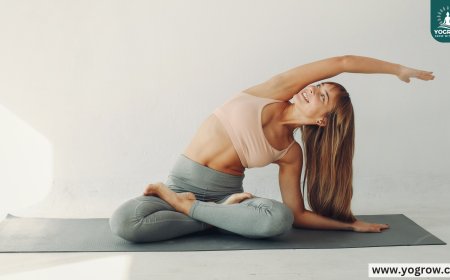
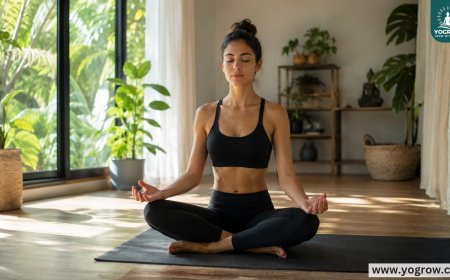
Choose a quiet, comfortable place where you won’t be disturbed. Sit upright with a relaxed spine. You can sit cross-legged, on a chair, or kneel comfortably.
Tips:
- Keep shoulders relaxed
- Close your eyes
- Rest hands on knees
- Focus on natural breathing first
This prepares your mind and body for deeper breathing techniques.
Step 2: Practice Box Breathing (Balance Technique)
Box breathing is ideal for calming the mind and improving focus.
Steps:
- Inhale for 4 counts
- Hold for 4 counts
- Exhale for 4 counts
- Hold for 4 counts
- Repeat for 5–10 minutes
This technique stabilizes the nervous system and enhances mental clarity.
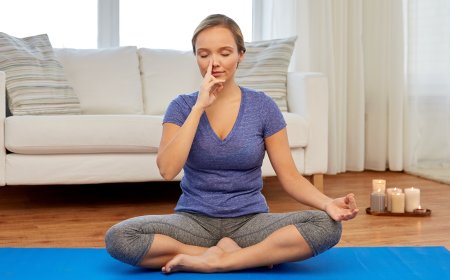
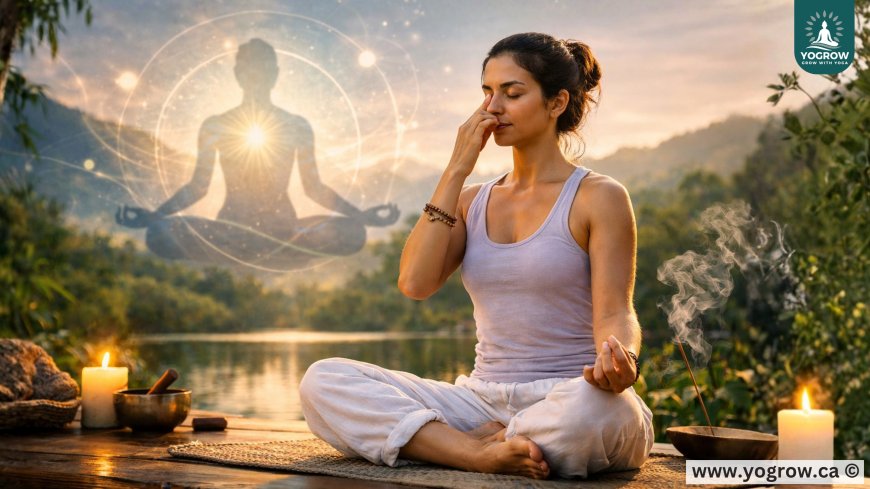
Step 3: Alternate Nostril Breathing (Nadi Shodhana)
This technique balances both hemispheres of the brain and promotes emotional calm.
Steps:
- Sit comfortably
- Close right nostril with thumb
- Inhale through left nostril
- Close left nostril
- Exhale through right nostril
- Inhale through right nostril
- Switch and repeat
Practice for 5 minutes daily.
This technique is also highlighted in traditional yogic breathing methods explained here: https://www.himalayanyogainstitute.com/9-yogic-breathing-practices-mind-body-balance-healing/
These practices help restore energetic balance and emotional stability.
Step 4: Extended Exhale Breathing (Stress Relief)
This technique activates relaxation quickly.
Steps:
- Inhale for 4 seconds
- Exhale for 8 seconds
- Repeat for 5 minutes
This lowers heart rate and reduces anxiety.
Best time to practice:
- Before sleep
- During stress
- After work
- Before meditation
Step 5: Energizing Breath (Bhastrika Style)
Use this technique to boost energy and mental alertness.
Steps:
- Sit upright
- Inhale deeply
- Exhale forcefully
- Continue rhythmically
- Practice 20 breaths
- Rest and repeat
Benefits:
- Improves circulation
- Boosts energy
- Clears mental fog
- Improves lung strength
Avoid this technique if you feel dizzy or have high blood pressure.
Step 6: Breath Awareness Meditation
Finish your practice with simple breath awareness.
Steps:
- Sit quietly
- Observe inhale and exhale
- Don’t control breathing
- Notice sensations
- Continue for 5 minutes
This integrates mind-body harmony.
Best Time to Practice Advanced Breathwork
You can practice breathwork at different times depending on your goals:
- Morning
Best for energy and focus - Afternoon
Good for stress reduction - Evening
Helps relaxation and sleep - Before Yoga
Enhances mind-body awareness - After Yoga
Deepens relaxation
Consistency is more important than duration.
Safety Tips for Advanced Breathwork
To practice safely, keep these guidelines in mind:
- Never force breathing
- Stop if dizzy
- Practice on empty stomach
- Sit comfortably
- Start slow
- Consult doctor if pregnant
- Avoid rapid breathing with hypertension
These precautions help ensure a safe experience.
Who Should Practice Advanced Breathwork?
These techniques are ideal for:
- Professionals with stress
- Students needing focus
- Yoga practitioners
- Meditation beginners
- People with anxiety
- Athletes
- Anyone seeking calm
Even 10 minutes daily can create noticeable improvements.
How Often Should You Practice?
Beginners: 5–10 minutes daily
Intermediate: 15 minutes daily
Advanced: 20–30 minutes
Consistency creates long-term benefits.
Combining Breathwork With Yoga
Breathwork becomes even more powerful when combined with movement. Coordinated breathing improves flexibility, reduces tension, and enhances relaxation.
You can explore this integrated method in this helpful guide: https://yogrow.ca/blog/breathe-better-move-freely-rest-deeply-the-yoga-method-you-need-yogrow
This approach supports deep rest, better breathing patterns, and full-body relaxation.
Advanced breathwork techniques for mind-body harmony offer powerful tools for reducing stress, improving focus, and enhancing emotional balance. By practicing structured breathing methods like box breathing, alternate nostril breathing, and extended exhale breathing, you can regulate your nervous system and improve overall wellbeing. These techniques are simple, accessible, and effective when practiced consistently.
If you're ready to deepen your breath and movement practice, explore this guide on improving breath, movement, and rest: https://yogrow.ca/blog/breathe-better-move-freely-rest-deeply-the-yoga-method-you-need-yogrow .
Start incorporating advanced breathwork into your daily routine today. Subscribe for more yoga wellness insights, explore related Yogrow blogs, or share your experience in the comments. Your journey to calm, clarity, and mind-body harmony begins with a single breath.
What's Your Reaction?
 Like
0
Like
0
 Dislike
0
Dislike
0
 Love
0
Love
0
 Funny
0
Funny
0
 Angry
0
Angry
0
 Sad
0
Sad
0
 Wow
0
Wow
0